
Last updated November 15, 2026
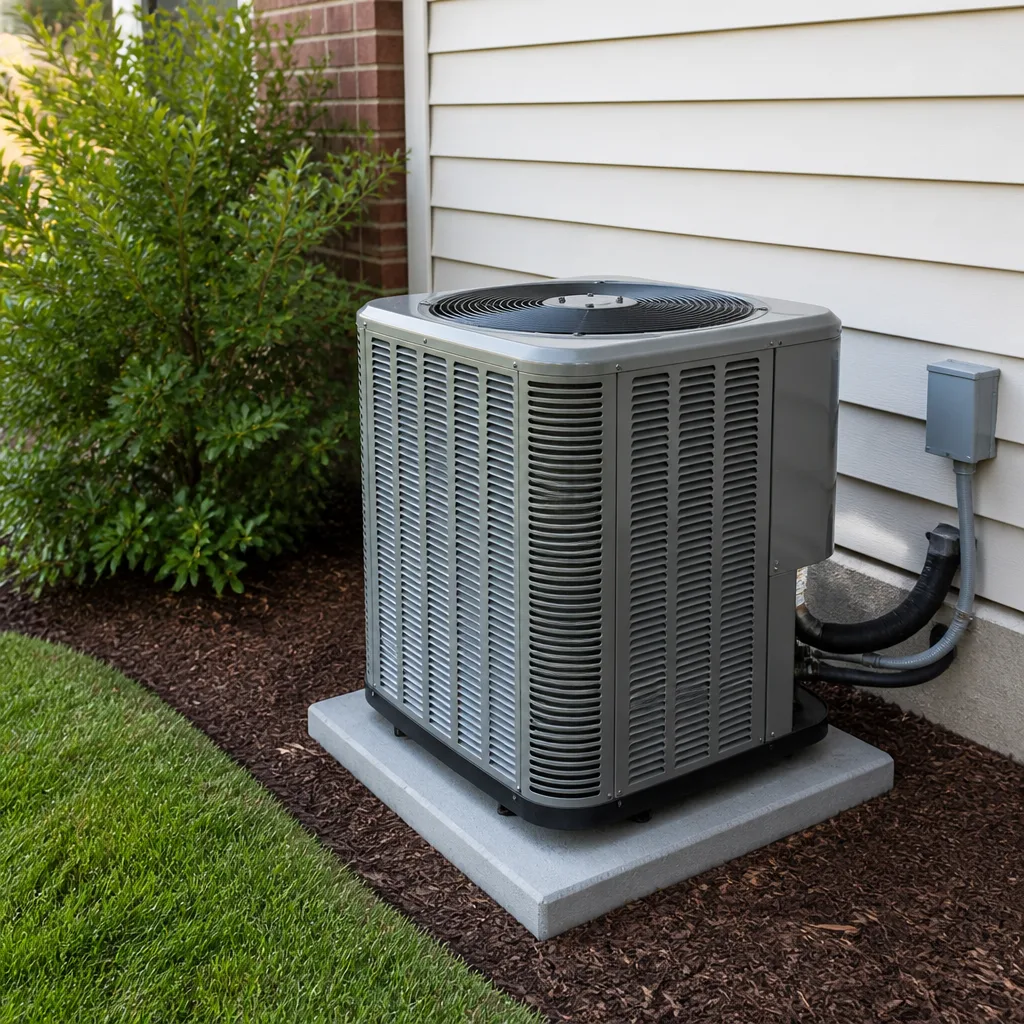 AC repair
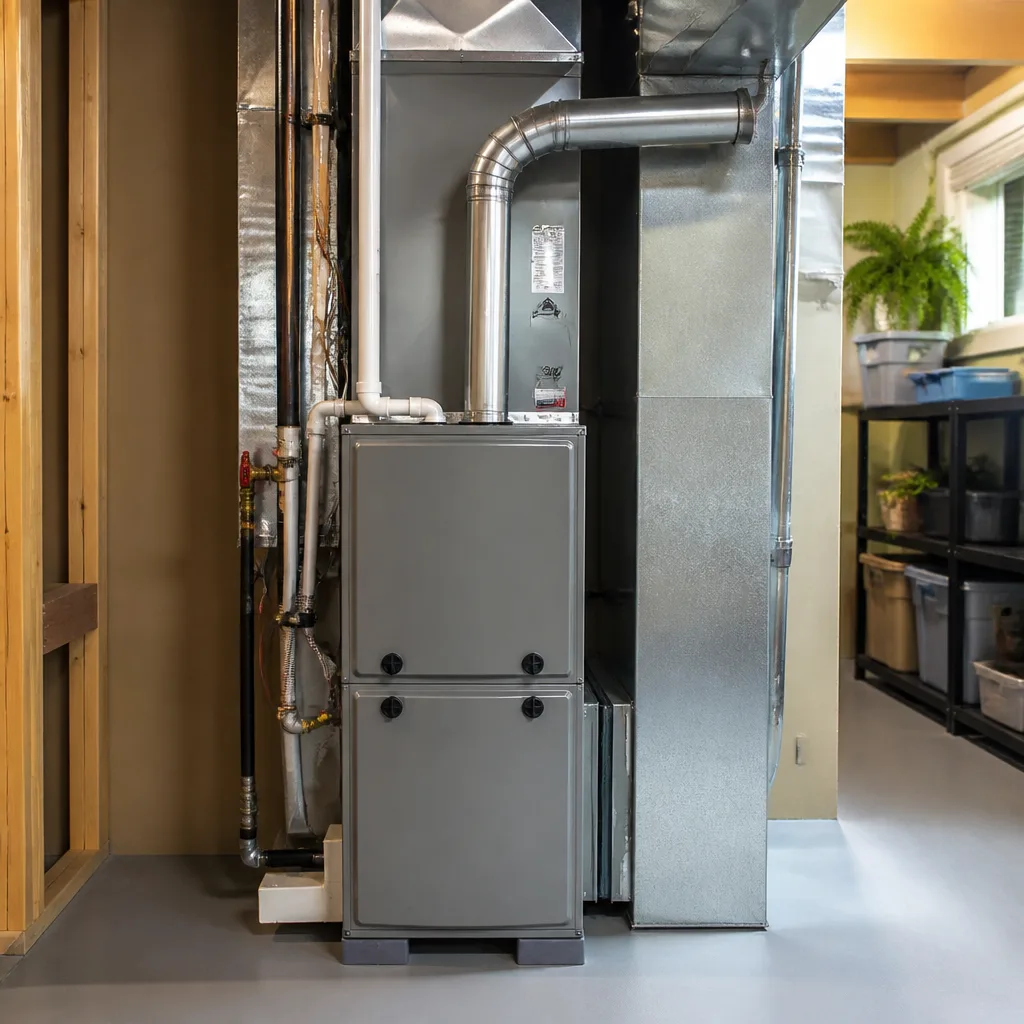 Furnace & heating
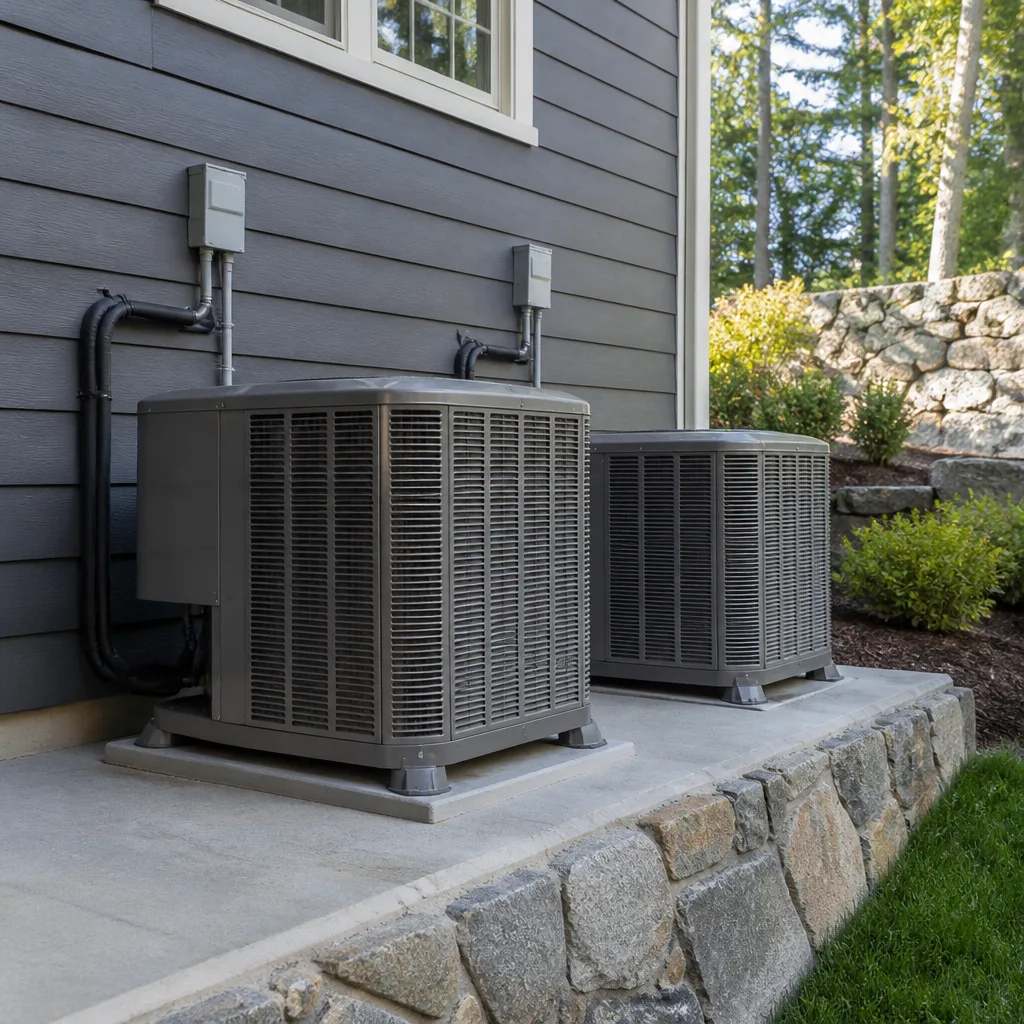 Heat pumps
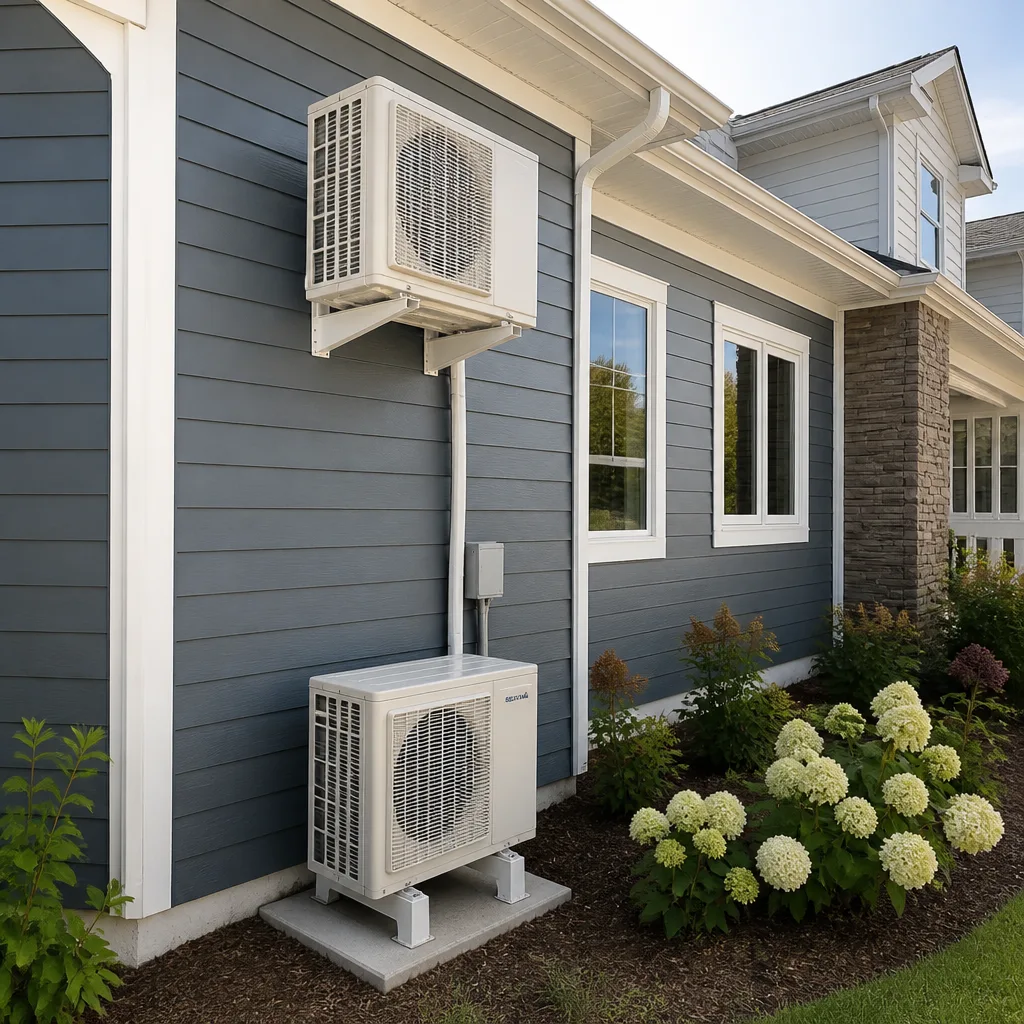 Ductless mini splits
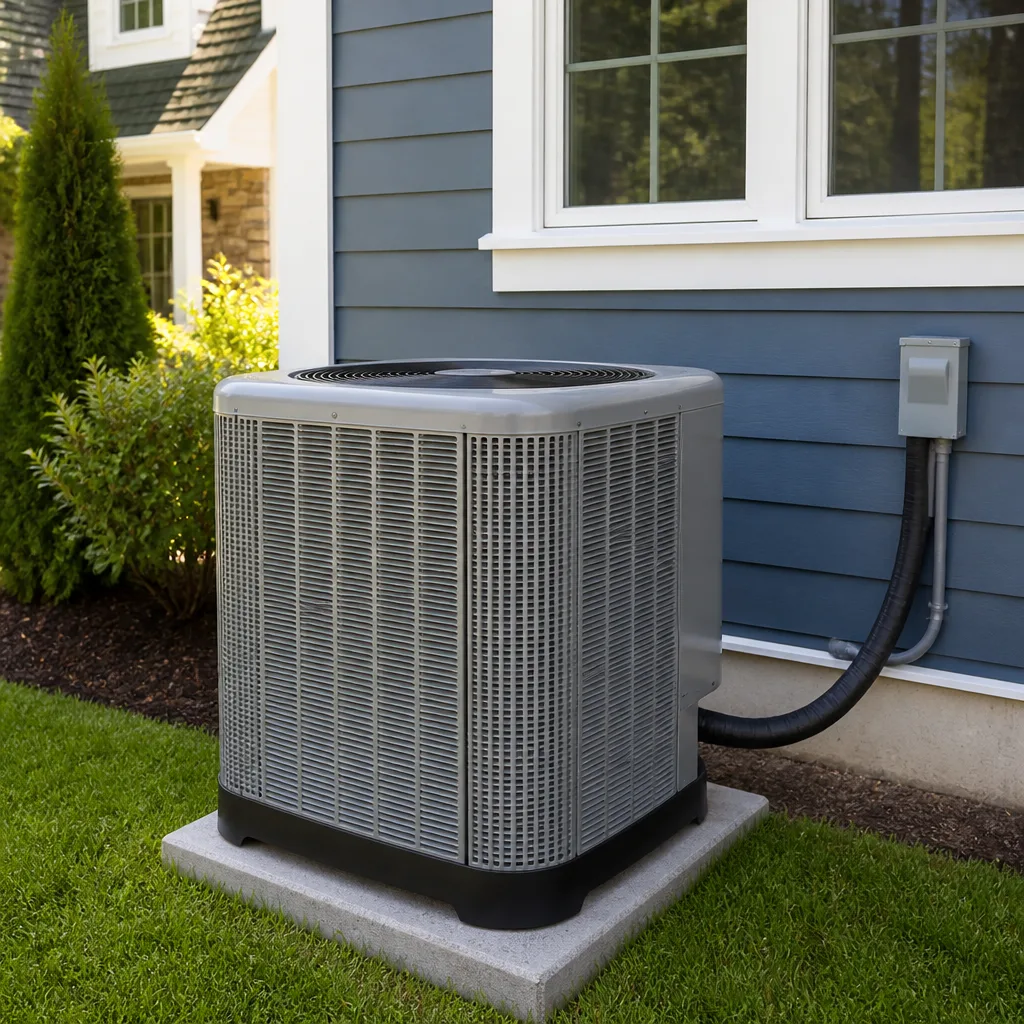 Carrier
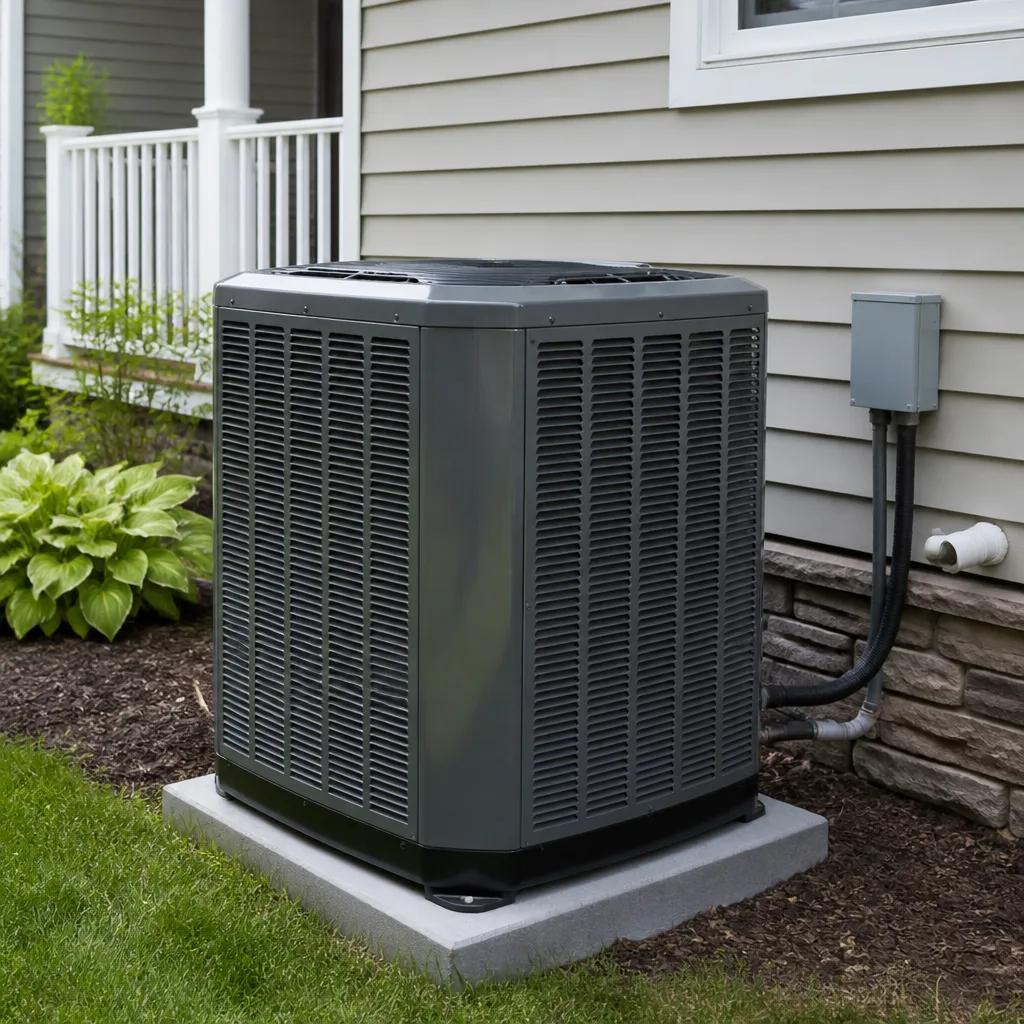 Trane
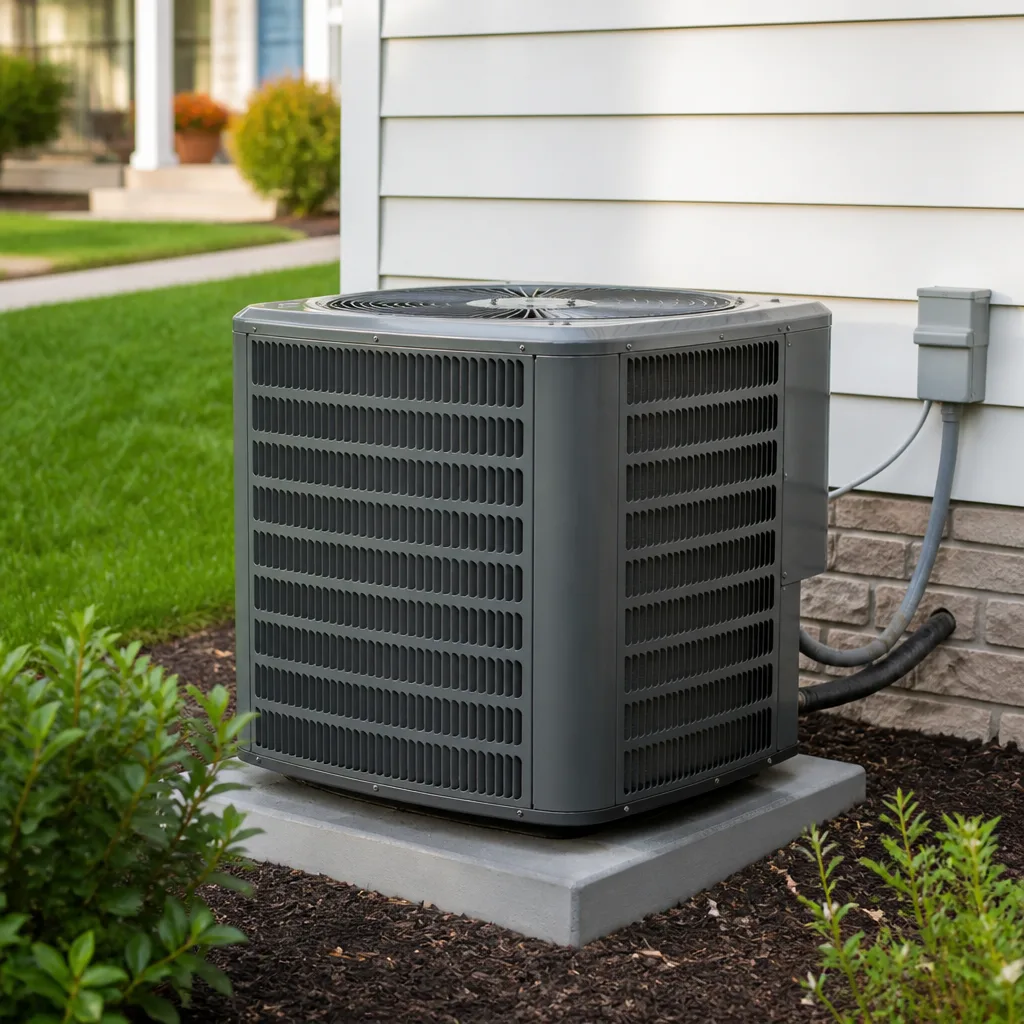 Goodman
Seasonal tune-up and full diagnostic on your Carrier, Trane, or Goodman system - readings shown to you before any repair is proposed
Diagnosis first, numbers second - you approve the repair price before a single part goes in.
Get your free estimateHVAC Emergency Preparedness Guide for Port St. Lucie Homes
Most homeowners here think they’re prepared because they have a plan for the storm. They don’t have a plan for the week after, when the grid is back but the air conditioning isn’t and the whole city is calling the same three phone numbers. During the peak of a Port St. Lucie heat event, the wait for emergency HVAC service can stretch to 48 to 72 hours, and a house with no cooling can push past 90°F indoors by mid-afternoon well before that window closes. The people who get through it calmly had already worked out what they’d do, what they’d check, and what they’d tell a technician before anything broke. In this guide we’ll walk through the contingency plan, the pre-storm checklist, the restart protocol, and the details that get a Port St. Lucie home back to comfortable faster.
Quick Answer
HVAC emergency preparedness for a Port St. Lucie home means three things: a 72-hour plan for keeping your household cool if the system fails during peak summer demand, a pre-storm checklist that protects your equipment before a named storm, and a short list of information (model number, refrigerant type, symptoms) you can hand a technician to speed up dispatch and parts sourcing. The goal isn’t surviving without AC. It’s shrinking the gap between failure and restoration.
Styles & brands we work with
- AC repair
- Furnace & heating
- Heat pumps
- Ductless mini splits
- Carrier
- Trane
- Goodman
Table of Contents
- Building a 72-Hour Heat Contingency Plan for Your Household
- The Pre-Storm HVAC Checklist Before a Named Storm
- Post-Storm Restart Protocol: What to Check Before You Flip the Switch
- What to Have Ready Before You Call for Emergency Service
- Surge Protection and Whole-Home Generator Compatibility
- The Failure Modes We See Most in a Port St. Lucie Summer
- Identifying Heat-Vulnerable Household Members in Advance
- What Same-Day Repair Actually Looks Like When Demand Peaks
Building a 72-Hour Heat Contingency Plan for Your Household
A heat contingency plan is what you reach for when the system quits and the trade is slammed. It’s not a shopping list. It’s a short written plan specific to your household, your home, and the people in it. Here in Port St. Lucie, where summer heat index values routinely sit well above the air temperature and humidity slows the body’s ability to cool itself, three days without working AC is a real health concern, not just an inconvenience.
Build the plan before you need it. Start with these steps:
- Name your cooling center. St. Lucie County opens public cooling locations during heat events and storm recovery, typically libraries and community centers. Write down the two closest to your neighborhood and keep the addresses on the fridge, not only in your phone. A dead phone battery is part of the emergency.
- Pick a hotel backup. Note two or three hotels in St. Lucie County that accept pets, in case a household member with a health condition can’t safely stay in a hot house. During peak demand these fill fast, so having the names ready saves hours.
- Identify anyone heat-vulnerable. Infants, older adults, anyone with heart or lung conditions, and anyone on medication that affects sweating all need a lower threshold for leaving the house. Write down who those people are in your household and set the trigger in advance: if indoor temperature passes a number you’ve agreed on, you go.
- Stage the essentials. A couple of battery-powered fans, a case of water, charged power banks, and a working thermometer you trust. Cheap, boring, and the difference between a rough few days and a dangerous one.
- Write down your HVAC details. Model number, brand, and refrigerant type. We’ll come back to this, but it belongs in the plan.
Review the plan each spring, before the worst of the heat arrives. A plan you haven’t looked at since last year is a plan you’ll fumble while the house is getting hot.
The Pre-Storm HVAC Checklist Before a Named Storm
When a named storm is tracking toward the Treasure Coast, your HVAC system needs about five minutes of attention. The point isn’t to protect the equipment from wind, which is mostly out of anyone’s control. It’s to reduce the chance that storm damage becomes an electrical problem when power returns, and to document the condition of the system before anything happens.
Work through this before landfall:
- Turn off the system at the thermostat and the breaker. Shut the thermostat off first, then switch off the AC’s dedicated breaker in your panel. Doing it in that order is the safe way. If you’re not comfortable opening the panel, leave it alone and simply set the thermostat to off.
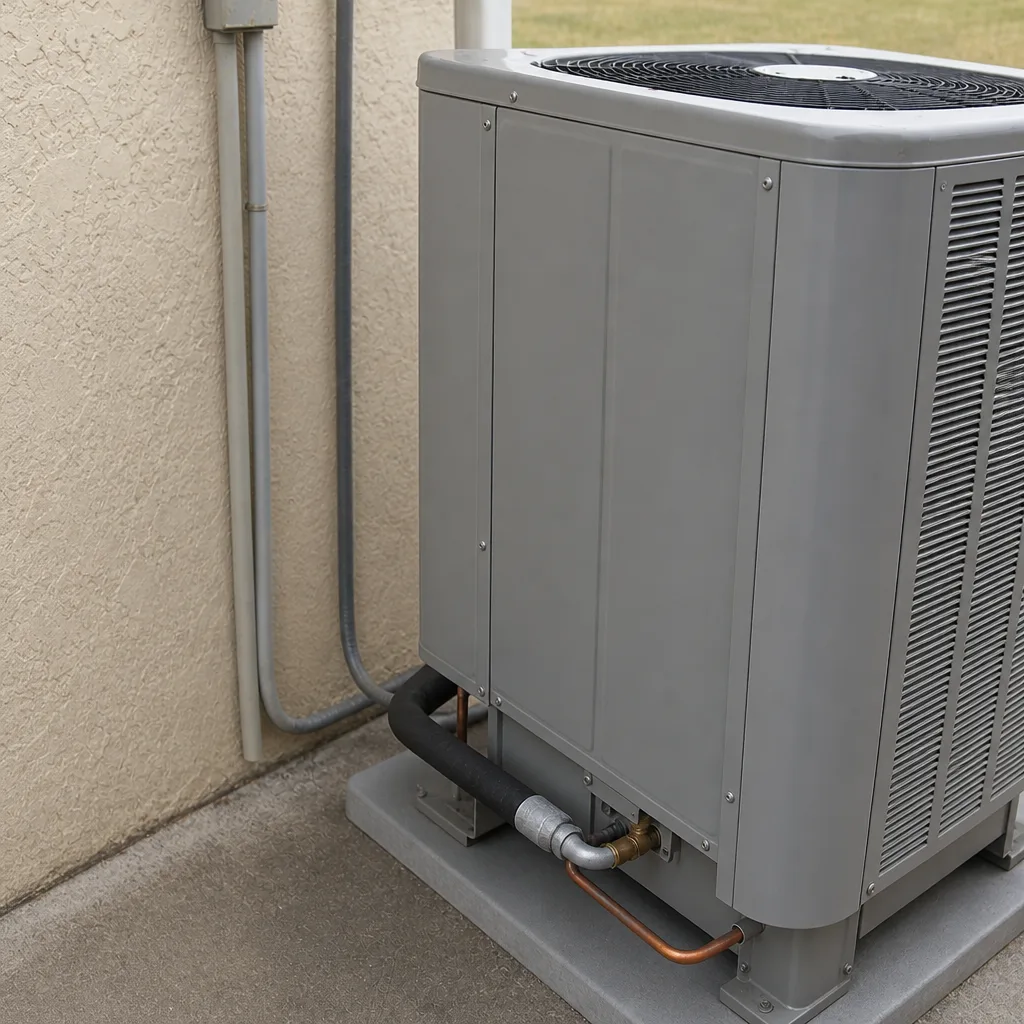
- Clear the outdoor unit area. Trim back vegetation and bring in anything loose that could become airborne and strike the condenser. A patio chair through the coil is a repair you don’t need.
- Check the drain line and pan. Make sure the condensate line is clear so standing water isn’t sitting near your air handler if the house loses cooling for days in high humidity.
- Photograph the equipment. Model plate, serial number, the outdoor unit from a few angles, the air handler and its surroundings. This documentation matters for any insurance conversation and it saves time when you call for service after the storm.
- Close up the house. Windows and doors shut, blinds drawn, so less heat loads the interior while the system is off.
Safety note: the electrical panel and the wiring feeding your condenser carry serious voltage. Shutting a breaker at the panel is a normal homeowner task if you know your panel, but if you don’t, or if anything looks damaged, wet, or scorched, keep your hands off it and have a licensed electrician or a trained HVAC technician handle it. A wet panel after a storm is not a do-it-yourself situation.
Post-Storm Restart Protocol: What to Check Before You Flip the Switch
The biggest mistake after a storm is walking in, finding power restored, and immediately punching the thermostat back to cool. An AC system that sat through a storm can have water intrusion, debris in the outdoor unit, or a compromised connection that turns a simple restart into a repair, or worse. Give it a proper restart.
Here’s the order that protects your equipment:
- Confirm the power is actually stable. If the grid is flickering or the utility is still doing rolling restoration, keep the AC breaker off until power is solid. A condenser compressor that starts and stops in quick succession is one of the fastest ways to damage it.
- Inspect the outdoor unit from the outside. Look for standing water at the base, visible debris in the fan, bent coil fins, or anything that doesn’t belong. Don’t reach inside the unit to clear it. Cut power at the breaker and call a technician if you see damage.
- Check for moisture around the indoor air handler. Any water pooled in the pan, damp insulation, or a musty smell suggests something got wet. Running the system in that state risks electrical trouble and mold.
- Turn the thermostat on and let it run. If you get no cooling, a strange noise, or a tripped breaker within the first few minutes, shut it back down and stop. A breaker that trips on restart is telling you the compressor or a component is in trouble.
- Watch the drain line for the first hour. Confirm condensate is draining. A clogged line after a storm is common and causes water damage that costs far more than the service call.
If anything looks off, that’s the moment to call. For AC repair in the days after a storm, getting on the schedule early matters, because demand across Port St. Lucie spikes hard once the power comes back.
What to Have Ready Before You Call for Emergency Service
The fastest way to get your system fixed is to give the technician what they need in the first two minutes of the call. When a Port St. Lucie summer heat event or a post-storm recovery has every company in the county fielding hundreds of calls, the homeowners who get scheduled first are the ones who can describe their equipment and their problem clearly. It isn’t about being pushy. It’s about being ready.
Have this in front of you before you dial:
- Model number and serial number. They’re on the data plate on the outdoor condenser, usually on the back or side panel. A photo of the plate is ideal, because the numbers are small and easy to misread.
- Brand. We service Carrier, Trane, Lennox, Goodman, Rheem, York, Daikin, Bryant, and American Standard, so knowing your brand tells us immediately whether your system is one we work on daily. Nine major brands, one call.
- Refrigerant type. If you know it, tell us. Older systems may run a refrigerant that’s no longer produced and needs careful handling, and knowing up front prevents a wasted trip.
- A plain description of the symptoms. “Blowing warm air,” “won’t turn on at all,” “runs for ten minutes then shuts off,” “the breaker tripped.” Symptoms point us toward the likely component before we arrive, which shortens the diagnosis and helps us know what parts to bring.
- Your address and the best number to reach you. Community names or the nearest cross street in Port St. Lucie help us plan the route.
All of that information does something specific: it helps us arrive with the right parts and the right diagnostic approach, so the first visit is more likely to be the only visit. Parts sourcing is where delays hide, and a model number eliminates the guessing.
Surge Protection and Whole-Home Generator Compatibility
Your HVAC system is the most expensive appliance in the house and the most vulnerable to the kind of power problems that follow a storm. Getting surge protection and generator backup right is a real part of emergency preparedness, and it’s also where a lot of homeowners get surprised.
Surge protection. The surges that follow a storm, or the smaller ones that come from routine grid switching, can reach your air handler’s control board and the condenser’s compressor. A whole-home surge protector at the panel is the broader solution, and a dedicated unit on the AC circuit adds a second layer. Both are worth discussing with a licensed electrician, because the panel is not a place to improvise.
Whole-home generator compatibility. A permanent standby generator wired through a transfer switch can run your AC, provided the generator is sized for the locked rotor amps your system draws at startup. That startup draw is the detail that trips people up. A 5,000W portable generator will not start a 4-ton system. It can’t deliver the surge a compressor needs to turn over, and trying will stall the generator and stress the compressor. The typical workaround is a soft-start kit that reduces the inrush current the unit draws at startup, which lets many homes run at least partial cooling on a properly sized generator. Whether a soft-start kit is right for your system depends on the equipment, the generator, and your electrical setup, so it’s a conversation, not a checklist item.
If you’re planning a generator, size it against your actual equipment rather than a generic number. When you’re ready to talk through your system, our AC installation team handles equipment compatibility questions alongside new systems, and a free estimate is the right place to start.
The Failure Modes We See Most in a Port St. Lucie Summer
Our technicians have up to 9 years of experience across the major brands, and the failure patterns in this climate are consistent. Summer heat and humidity here put a specific kind of stress on HVAC equipment, and certain components give out more often than others when demand peaks. Knowing what to expect helps you spot trouble earlier.
The most common failure modes during the high-stress months:
- Capacitors. The small components that help the compressor and fan motor start are classic summer failures. When one gives out, the unit hums but won’t start. It’s one of the most common service calls we run, and it’s a straightforward repair.
- Refrigerant leaks. Heat and vibration wear on the system and slow leaks make cooling less efficient over time. A system that runs constantly but never quite keeps up is often low on refrigerant, which needs to be found and repaired, not just topped off.
- Clogged condensate drains. High humidity means the system is condensing a lot of water. A drain line that clogs can shut the system down on a safety switch or cause water damage around the air handler.
- Dirty coils and filters. Restricted airflow forces the compressor to work harder and run hotter, which shortens its life. This one is mostly prevented with routine filter changes.
- Compressor failure. The most expensive failure, and often the result of years of the above. This is where the repair-or-replace question gets serious.
Because we work across Carrier, Trane, Lennox, American Standard, and the other major brands, we recognize these patterns across product lines rather than through the lens of a single manufacturer. That matters for diagnosis. A symptom that points to a capacitor on one brand and a control board on another is a different call, and brand-fluent technicians get to the answer faster.
Identifying Heat-Vulnerable Household Members in Advance
Heat illness doesn’t announce itself. Someone can be in a house that’s steadily warming and not realize they’re in trouble until they’re dizzy or confused. The households that come through a summer outage safely are the ones who already know which member is at the highest risk and have agreed, in advance, on the temperature at which they leave.
Watch for these people in your own household:
- Older adults, whose bodies regulate temperature less effectively and whose thirst signals weaken with age.
- Infants and young children, who can’t manage their own hydration or leave a hot room on their own.
- Anyone with heart or lung conditions, for whom heat adds real load.
- People on certain medications that affect sweating or blood pressure, which is worth asking a doctor about directly.
- Anyone who lives alone and might not have someone checking on them.
Set the plan with them, not for them. A neighbor or family member checking in by phone during a heat event, plus a pre-agreed trigger for leaving for a cooling center or hotel, is the simplest form of preparedness there is. We’re HVAC technicians, not medical professionals, so for anyone with a health condition the right call is to follow their doctor’s guidance and not to wait out the heat in a house that’s getting hotter.
What Same-Day Repair Actually Looks Like When Demand Peaks
When it’s genuinely hot and every system in Port St. Lucie seems to be failing at once, “same-day” is a real thing but it depends on being in the right place in the queue. The homeowners who get same-day service are the ones who called early, knew their equipment, and were clear about the symptoms. We do our best to keep same-day service genuine, and free estimates make it easy to get the conversation started without hesitation. Our technicians aren’t paid on what they sell, so the recommendation you get is about getting you back to comfortable, not upselling you into a replacement you don’t need.
Two things we ask of you when demand is high:
- Call earlier in the day rather than later. Dispatch runs from 7am to 7pm, and the earlier a call comes in, the more of the day we have to work with.
- Have your model number and symptoms ready. It shortens the call and helps us arrive with the right parts.
When the system is down and the house is heating up, please don’t wait days for an appointment. Call (833) 659-7543. We answer 24/7. Fast dispatch from 7am to 7pm, Sunday through Friday.
Common Mistakes to Avoid
- Restarting the AC moments after the power comes back. Flickering power during storm recovery can start and stop your compressor repeatedly, which is one of the fastest ways to damage it. Wait for stable power before you flip the breaker.
- Thinking a portable generator will run the whole house AC. A 5,000W portable can’t deliver the startup surge a 4-ton system needs. It’ll stall the generator and stress the compressor. Plan generator power for the essentials, or size a standby correctly.
- Never documenting the equipment. Without photos of the model plate, you’re guessing at parts when the system fails and the trade is busy. Take the photos now.
- Skipping the filter during the hottest weeks. A clogged filter in peak summer forces the system to run hotter and harder right when it’s already working its hardest. Change it on schedule, not when you remember.
- Waiting out a heat event at home with a vulnerable family member. The house won’t cool down on its own once the system has failed, and heat illness builds quietly. Use the cooling center or hotel plan you set up in advance.
- Calling with no information. “It’s broken” gives a dispatcher nothing. A model number and two or three specific symptoms get you scheduled faster and help the technician arrive prepared.
- Deciding to replace before you know the repair cost. A failed compressor isn’t automatically a replacement. Get an honest estimate on the repair before you make a call on a new system, and be wary of anyone who pushes you toward replacement before diagnosis.
See the difference
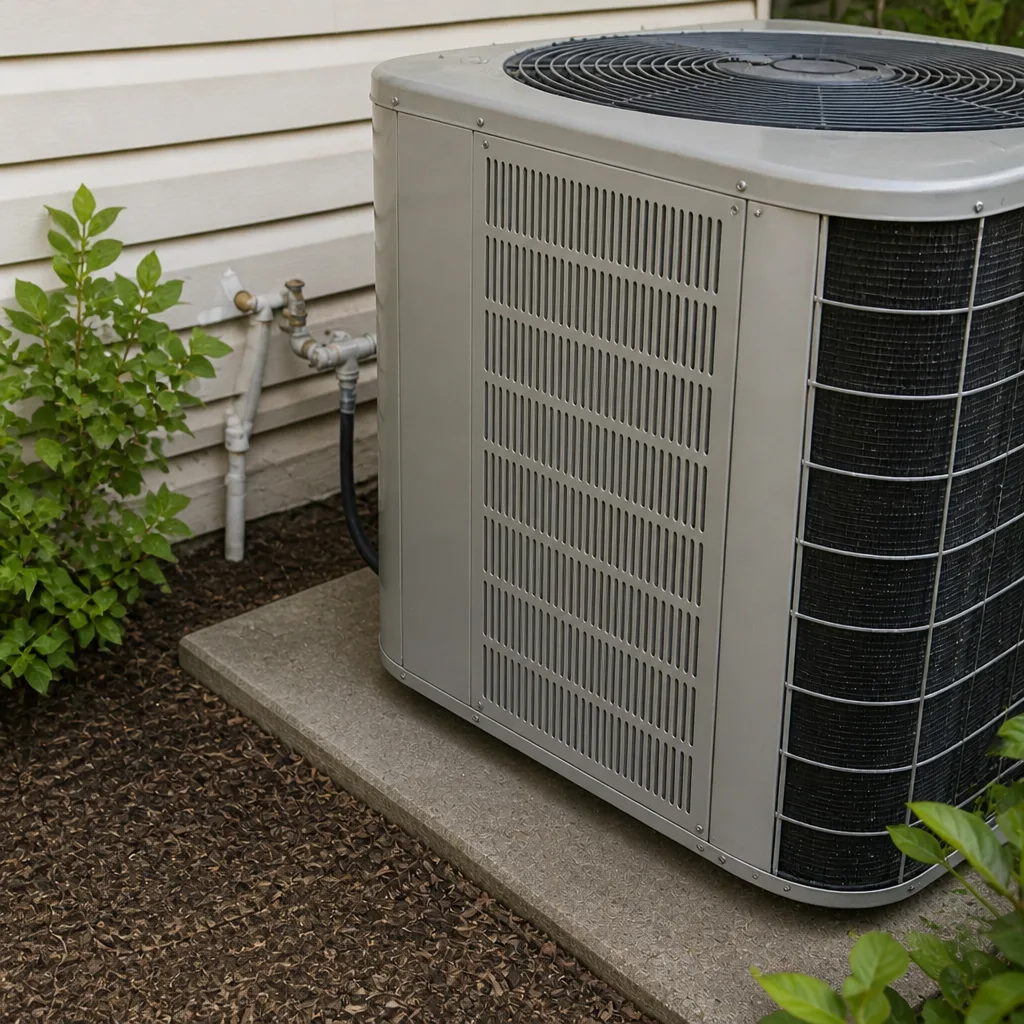
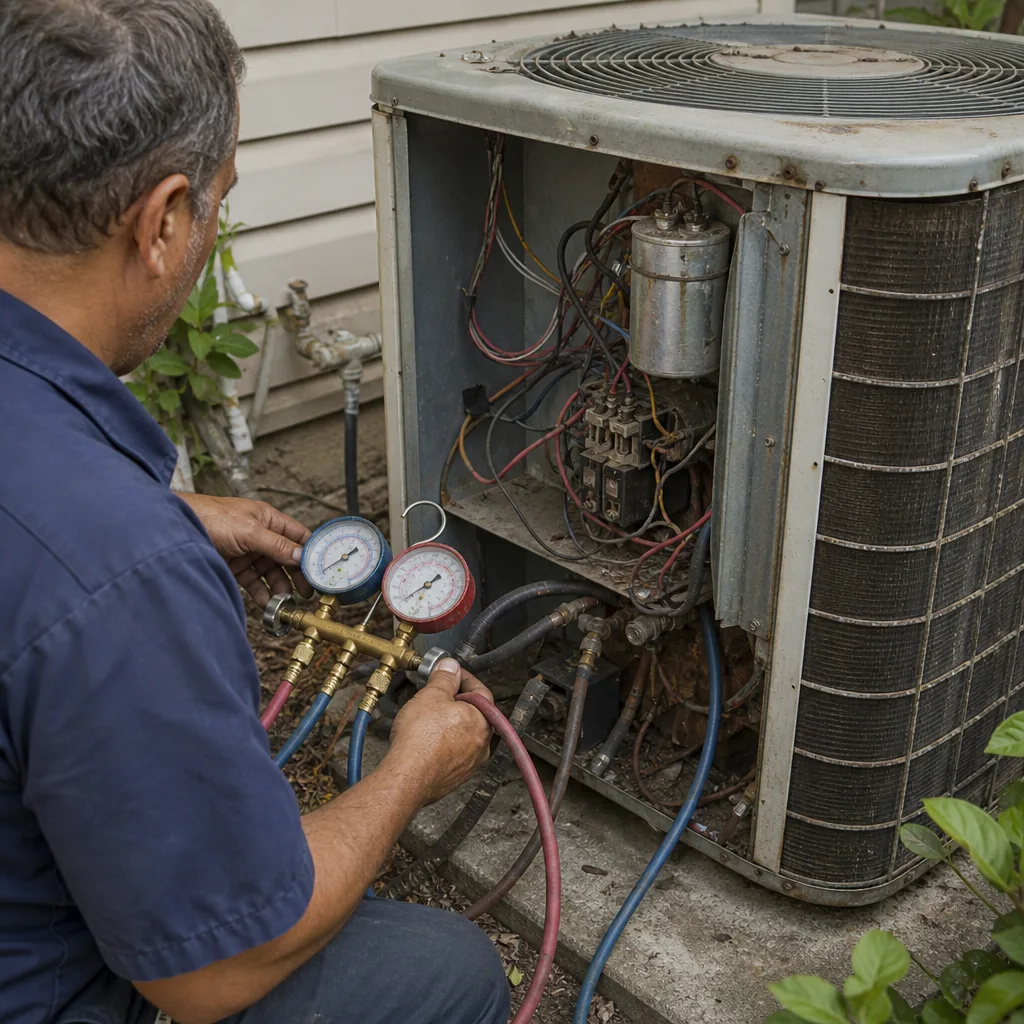 Before
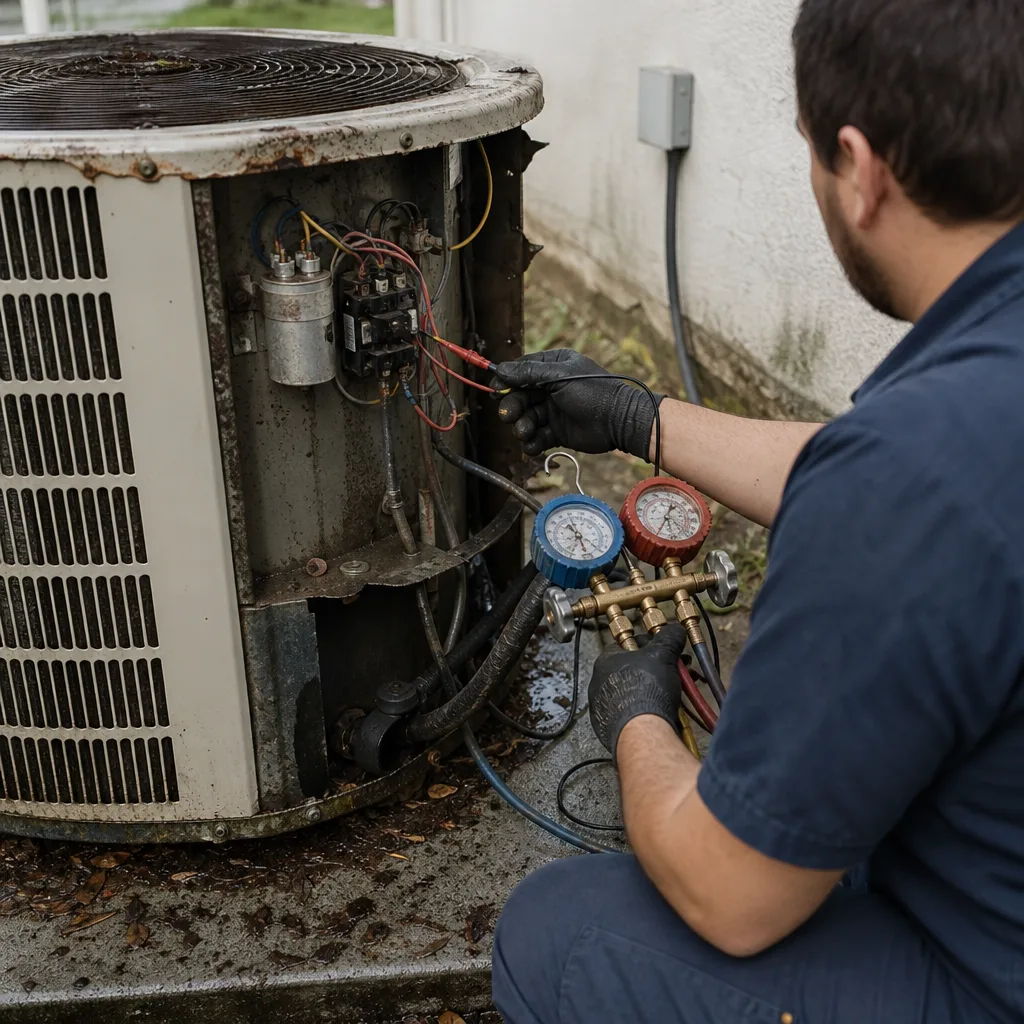
 After
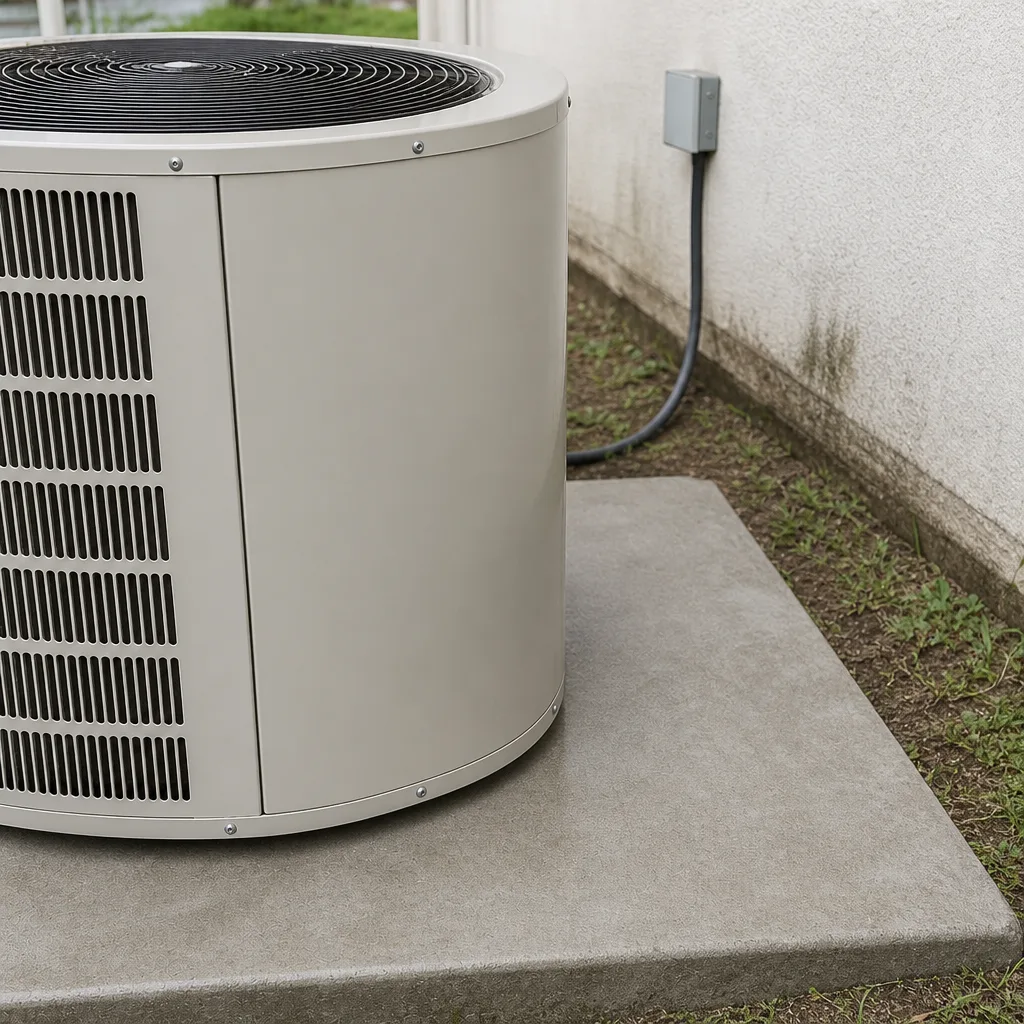
 Before
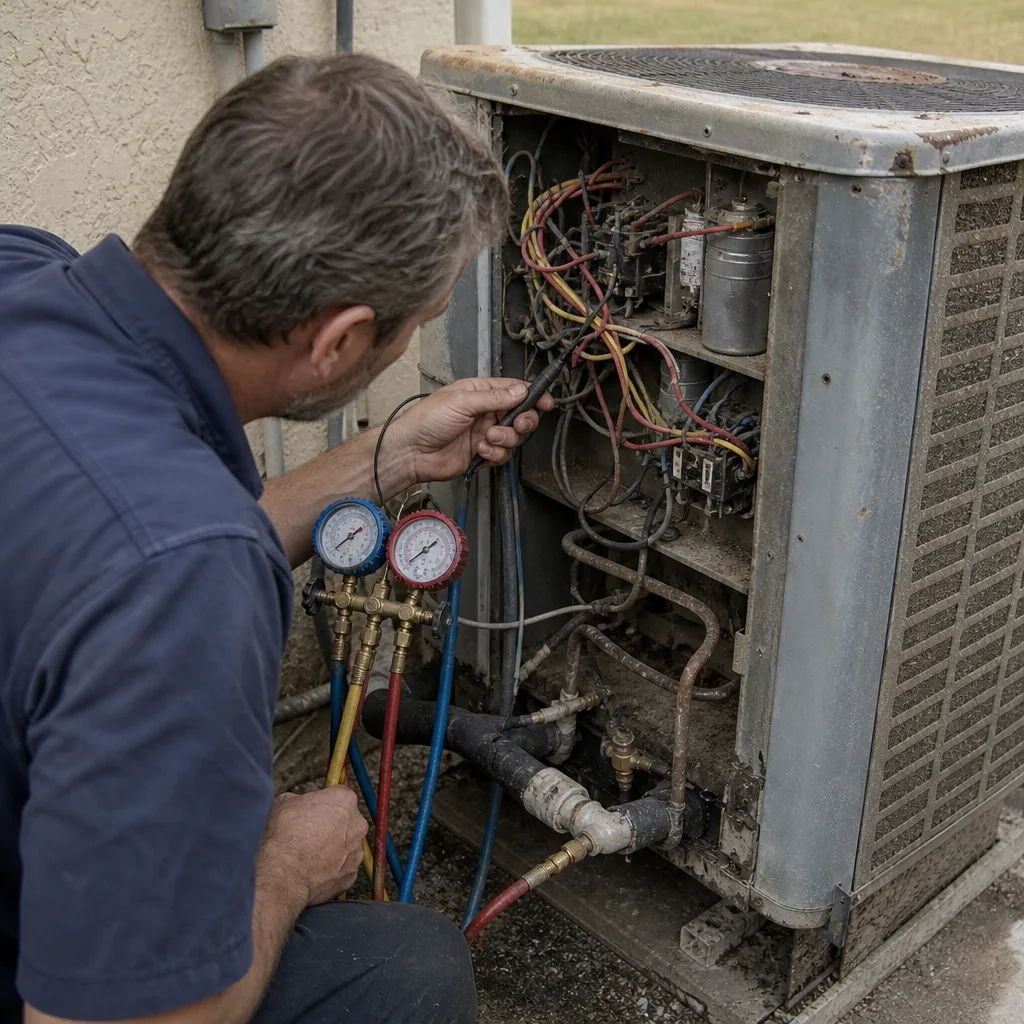
 After
 Before
 After
When to Call a Professional
Some problems you can wait on. Others you shouldn’t. Call a professional if the system won’t turn on, if you see water pooling around the air handler, if a breaker keeps tripping when the AC runs, if you smell something burning or musty near the equipment, or if the outdoor unit is making noise that wasn’t there before. Call immediately if a storm was involved and the equipment sat through it, because water intrusion and electrical damage don’t announce themselves. And call for anything involving the electrical panel or wiring, because that’s not work to attempt on your own.
When you’re ready, Dayspring AC Repair offers free estimates in Port St. Lucie. Call (833) 659-7543. We answer 24/7. Fast dispatch from 7am to 7pm, Sunday through Friday. We work on the brand you already have, across nine major manufacturers, and we’ll tell you honestly whether a repair or a replacement makes more sense for your situation.
Frequently Asked Questions
It depends on the indoor temperature and who’s in the house, but plan to leave before the inside gets dangerous rather than waiting until it does. Set a trigger in advance (many households use a specific indoor temperature their doctor or common sense suggests), and if you have an infant, an older adult, or anyone with a heart or lung condition, don’t wait it out at home. Use your cooling center or hotel plan.
Because every system in the area is stressed at the same moment. During the peak of a heat event, the wait for emergency service across Port St. Lucie can stretch to 48 to 72 hours because demand far exceeds the number of technicians available. You shorten your own wait by calling early, having your model number and symptoms ready, and being flexible on timing. Call (833) 659-7543 for an exact quote and scheduling. Estimates are free.
Yes. Shut the thermostat off first, then the dedicated breaker, so the system isn’t live when power drops and returns, which is safer for the equipment. If you’re not comfortable at the panel, set the thermostat to off and have an electrician handle the rest.
It can, if the generator is sized for your system’s startup surge and wired through a transfer switch, and a soft-start kit may help many systems run on a smaller generator. A 5,000W portable generator cannot start a 4-ton system. Have your actual equipment and generator specs reviewed together before you count on it. Call (833) 659-7543 for a free estimate to talk through your system’s requirements.
Your model and serial number, the brand, refrigerant type if you know it, a plain description of the symptoms, and your address. That information helps us arrive with the right parts and diagnose faster, which shortens the time your house is without cooling.
We service nine major brands: Carrier, Trane, Lennox, Goodman, Rheem, York, Daikin, Bryant, and American Standard. If your system is one of those, we work on it daily, and we’re not going to tell you it’s out of scope. Call (833) 659-7543 to confirm your system and get a free estimate.
The Bottom Line
Emergency preparedness for a Port St. Lucie home comes down to a few things done before the heat or the storm, not during. Build a 72-hour contingency plan that names your cooling centers, your hotel backups, and the vulnerable people in your household, with a pre-agreed temperature trigger to leave. Document your equipment with photos of the model plate so a service call moves fast. Follow the pre-storm and post-storm checklists so power problems don’t turn a functioning system into a damaged one. Get generator sizing right, because a portable unit won’t carry a 4-ton system. And when something does fail, call early with your details ready, because that’s what shortens the gap between failure and a cool house again. Heating and cooling are handled by the same team, so the Dayspring AC Repair line covers your whole climate system. For homes throughout Port St. Lucie, the call to make is (833) 659-7543. We answer 24/7. Fast dispatch from 7am to 7pm, Sunday through Friday. Estimates are free, and the price is set per job by the written estimate.
Written by the team at Dayspring AC Repair.