
Last updated November 15, 2026
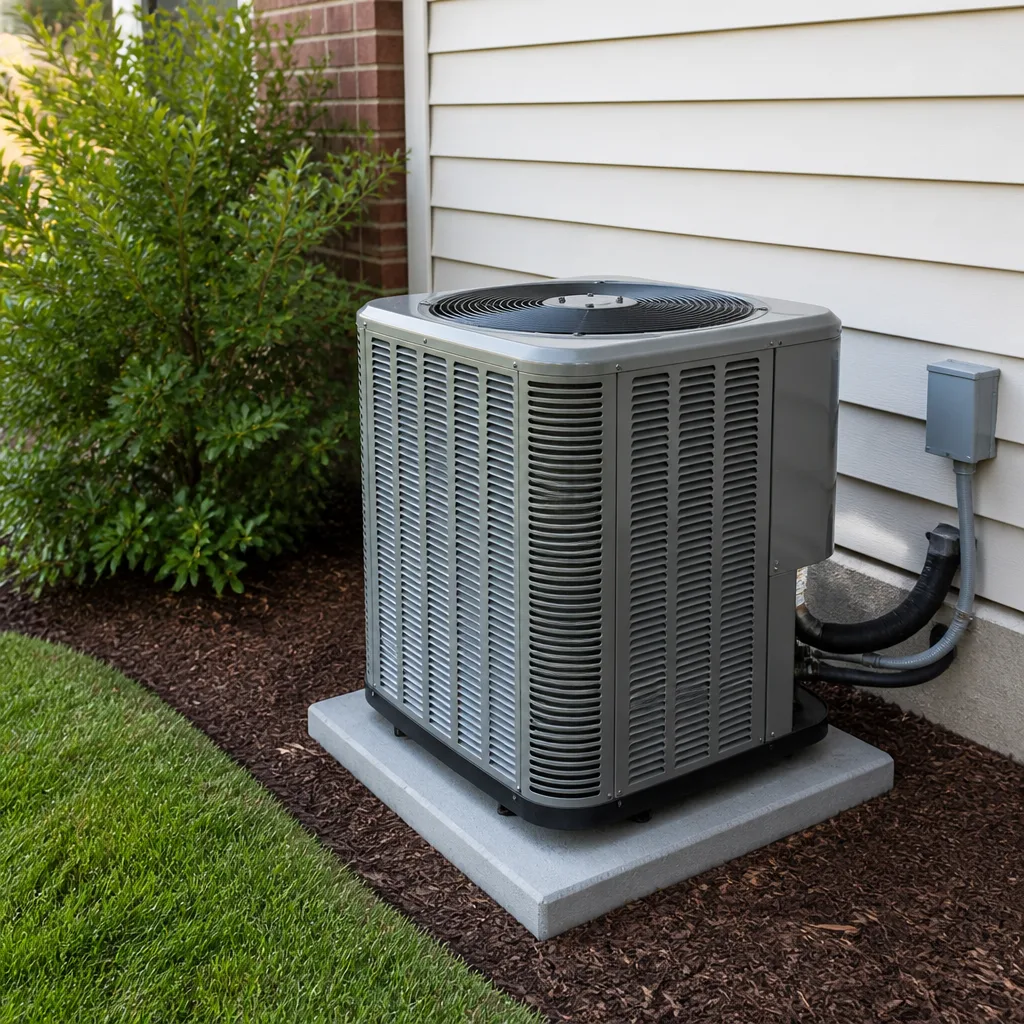 AC repair
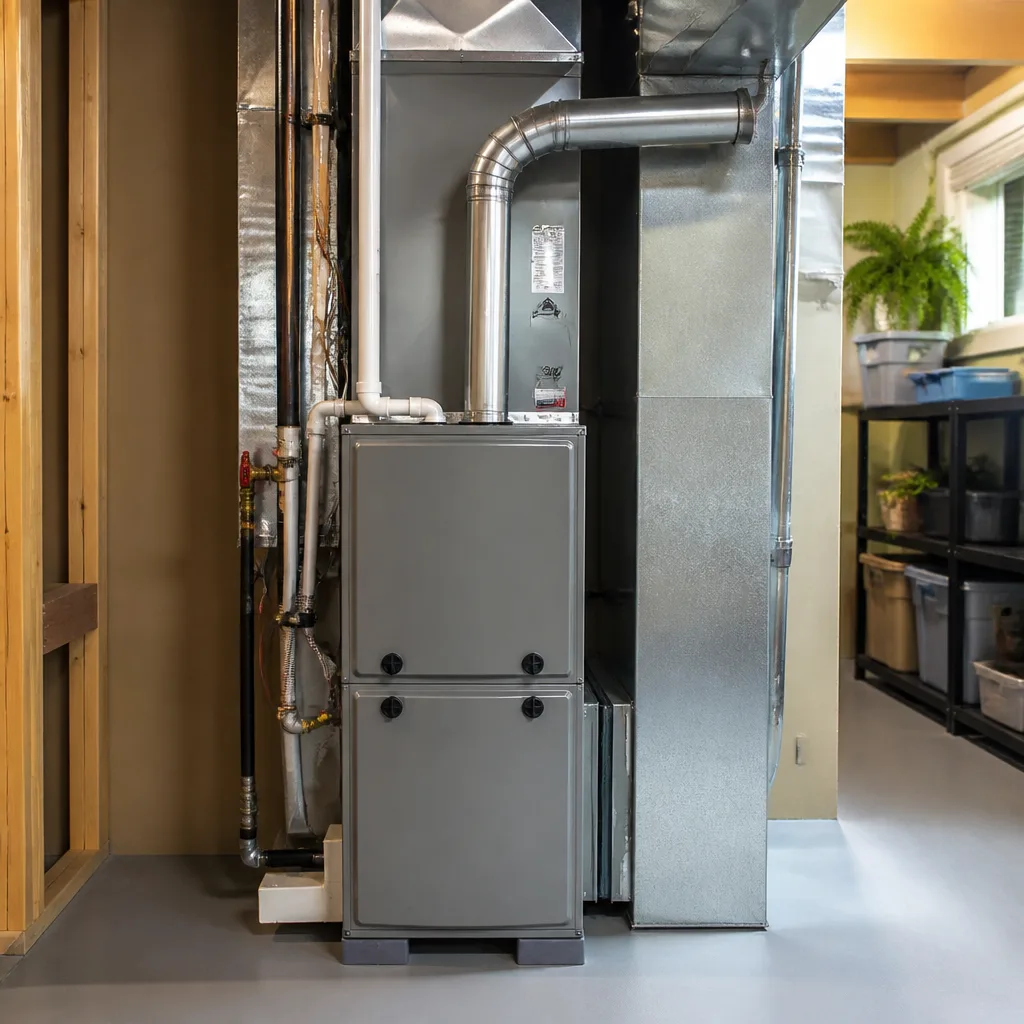 Furnace & heating
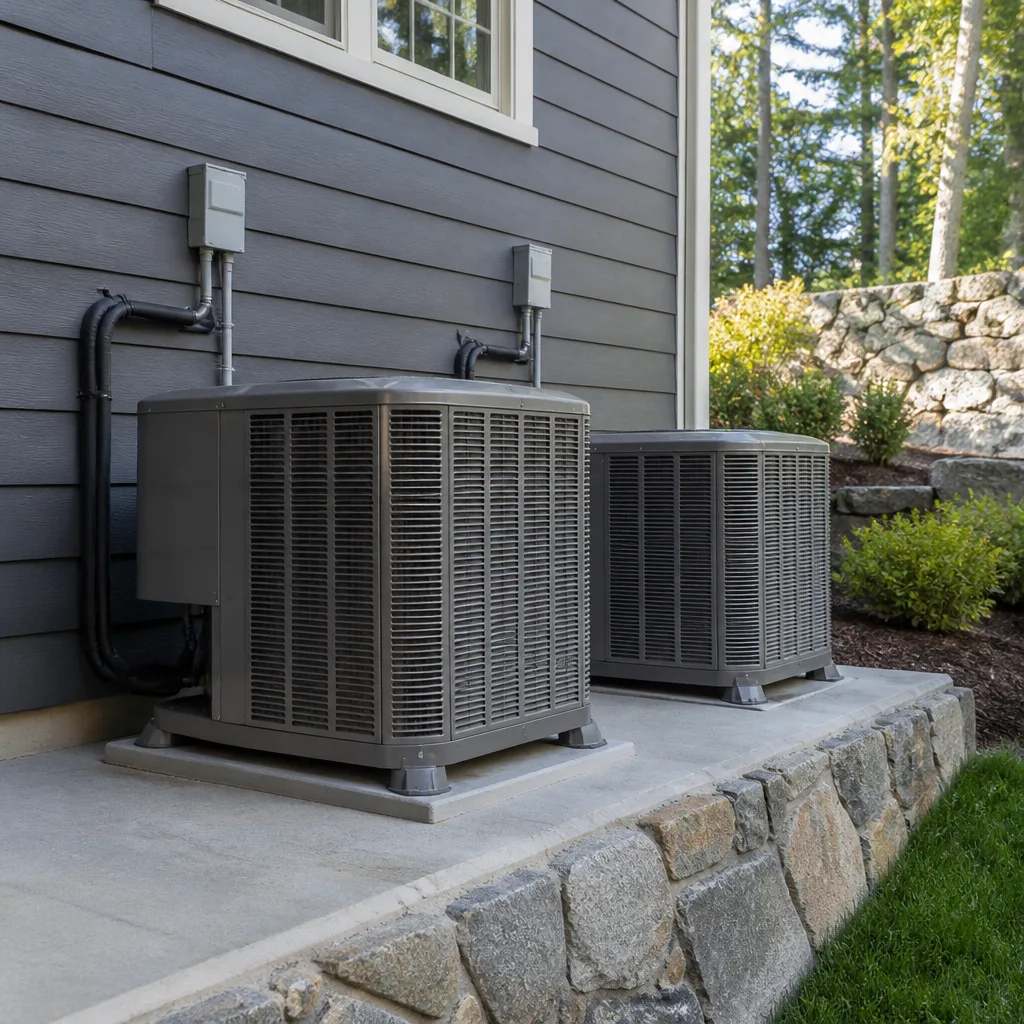 Heat pumps
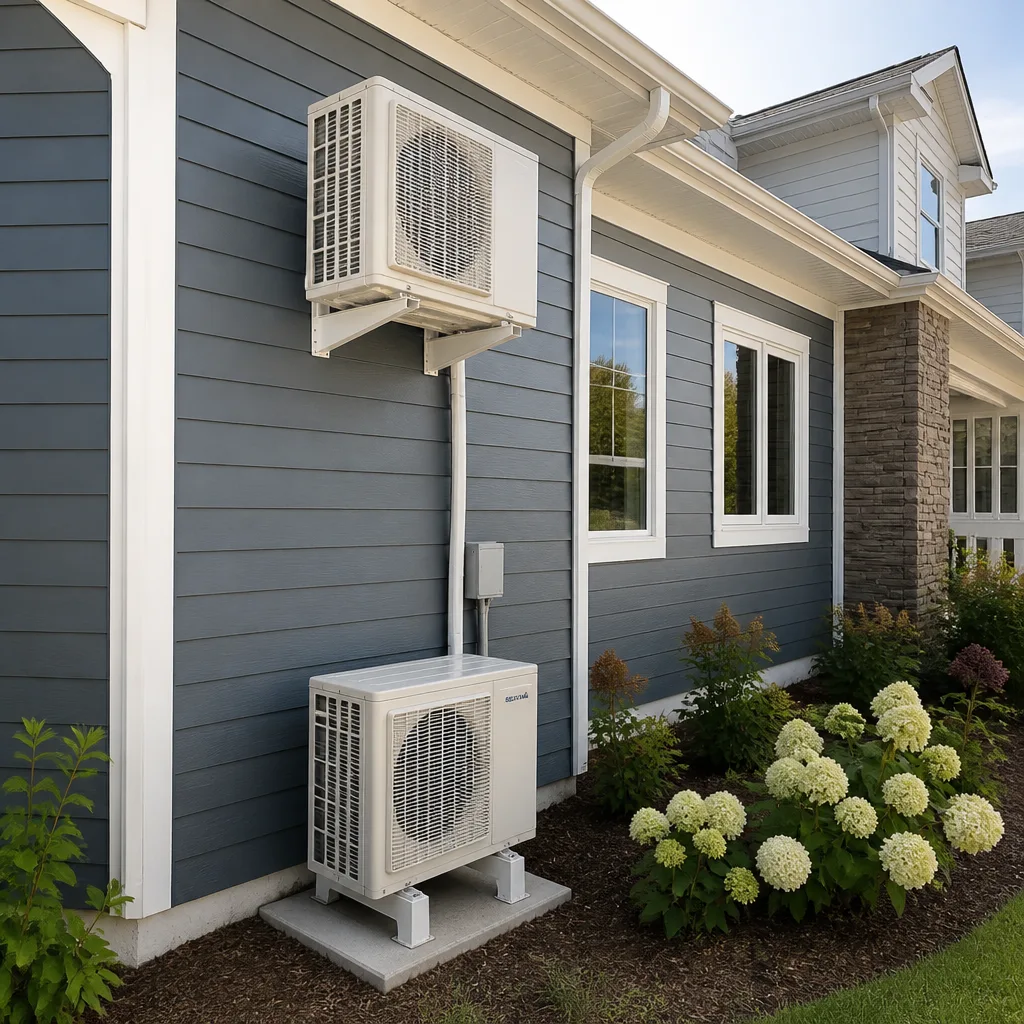 Ductless mini splits
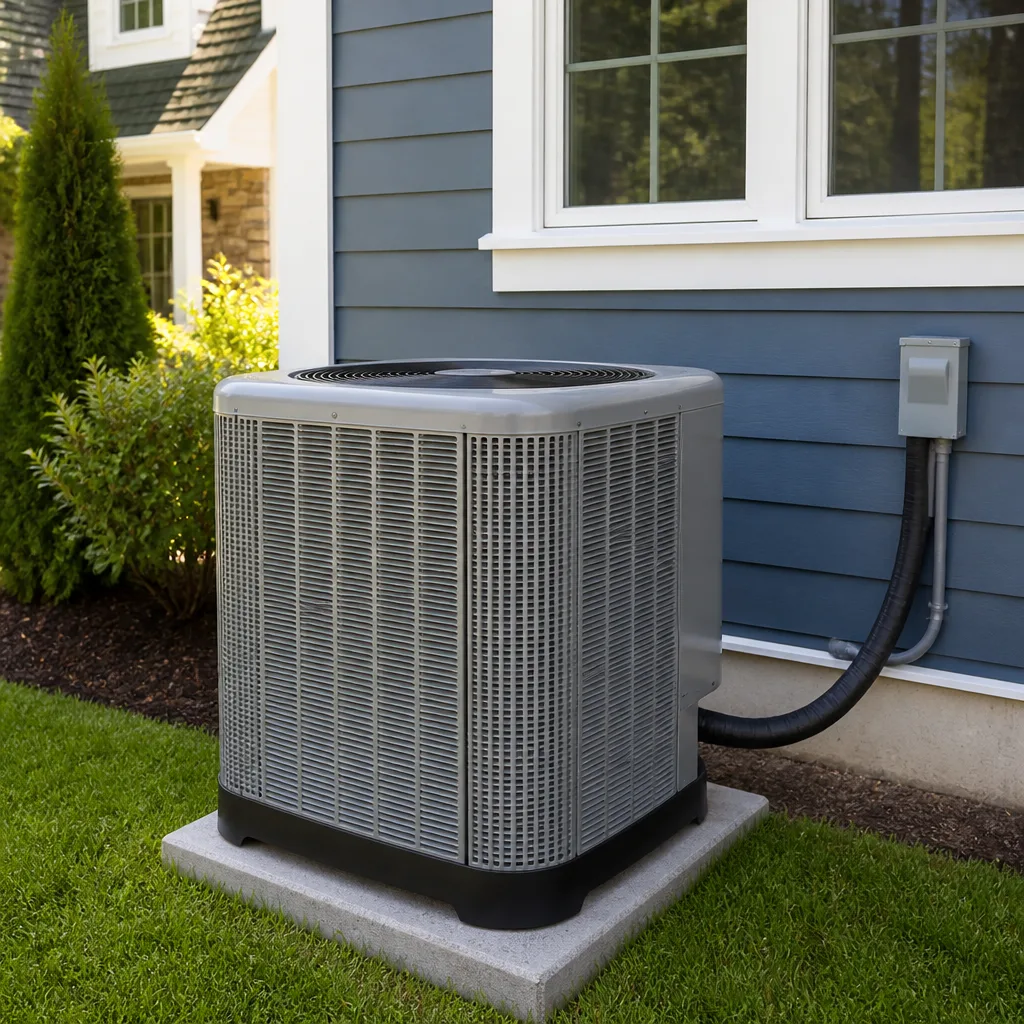 Carrier
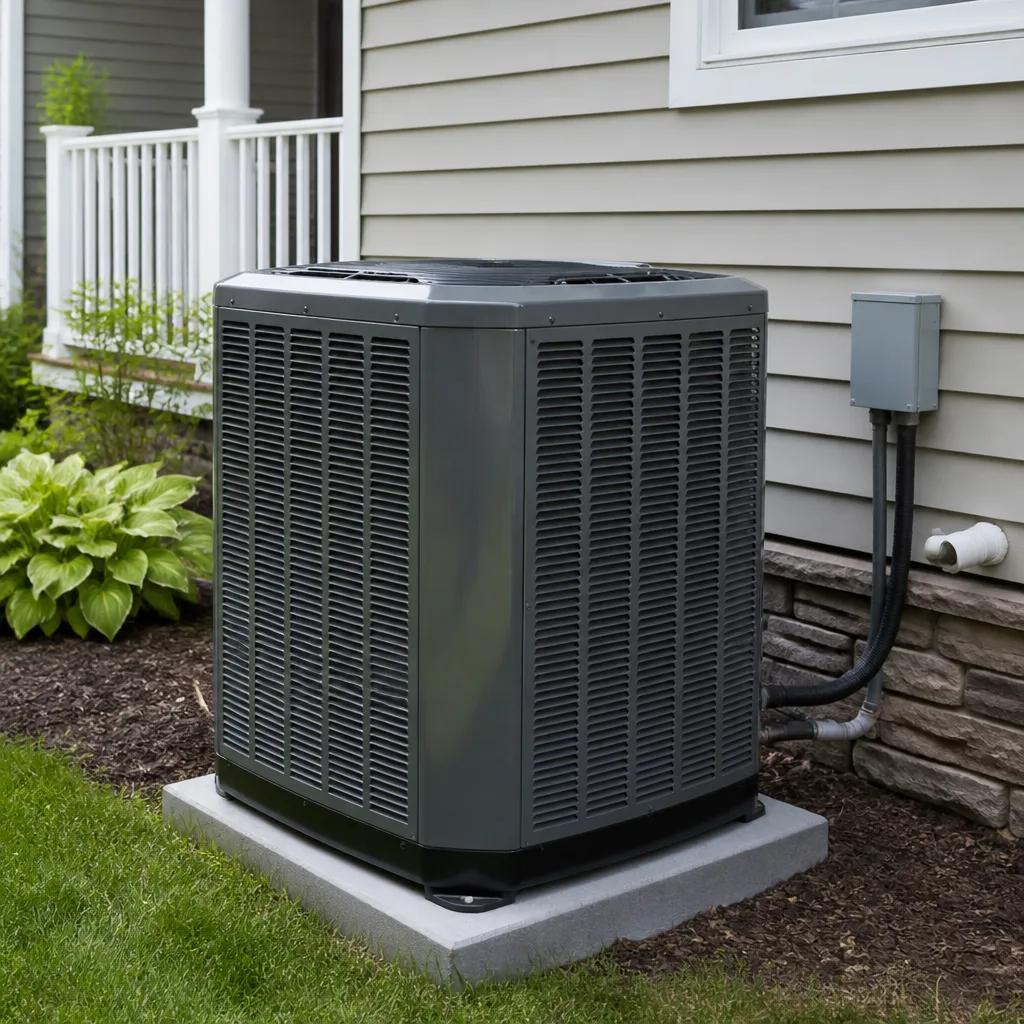 Trane
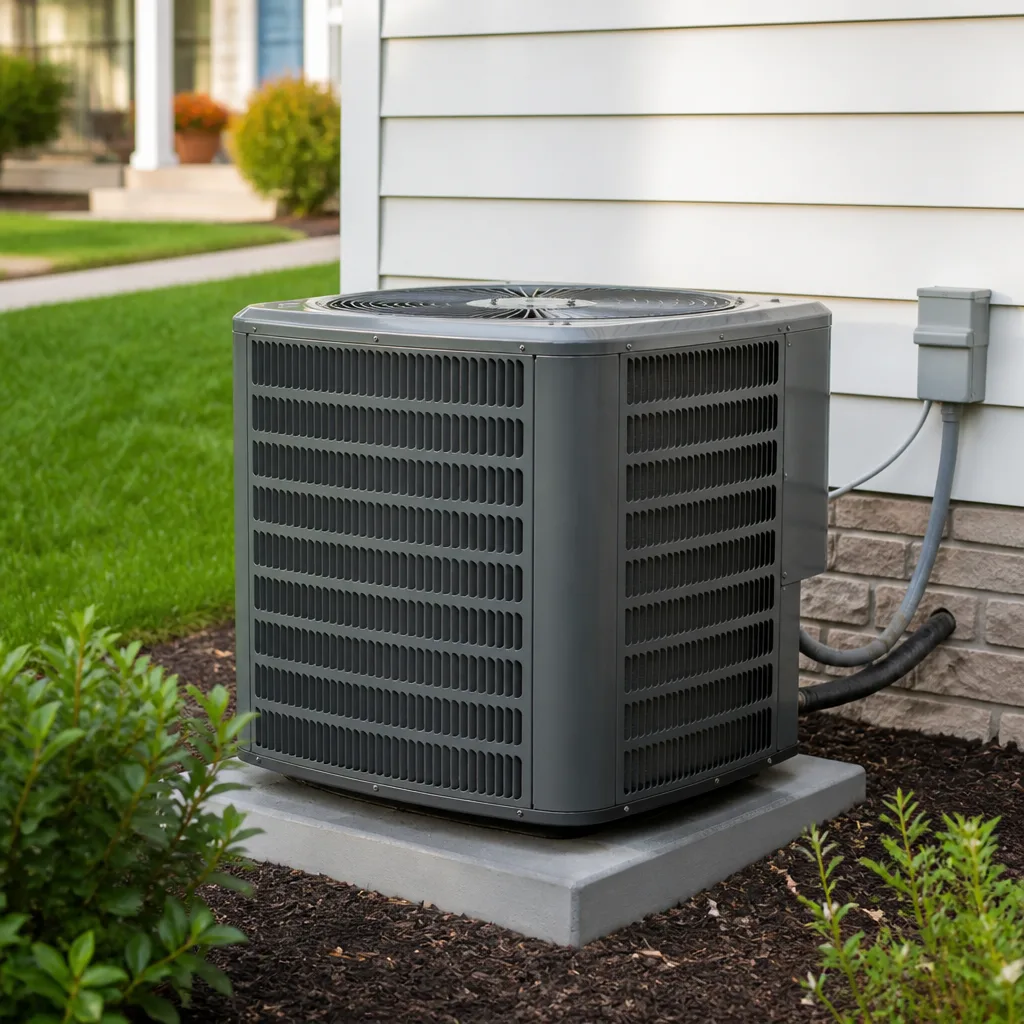 Goodman
Seasonal tune-up and full diagnostic on your Carrier, Trane, or Goodman system - readings shown to you before any repair is proposed
Diagnosis first, numbers second - you approve the repair price before a single part goes in.
Get your free estimateHVAC Warning Signs: A Port St. Lucie Homeowner’s Reference Guide
Most HVAC warning sign articles describe failure. This one describes the conditions that precede it. A system that’s about to fail rarely announces it dramatically. It announces it through a slightly higher electric bill, a room that stopped keeping up, or a sound that only happens on startup. Port St. Lucie homeowners who know what to listen for rarely get caught in a 95°F emergency. Below, we’ve organized the warning signs by how much lead time each one typically gives you before a breakdown, so you can turn vague discomfort into a decision. You’ll learn the delta-T test, how to read humidity creep, what short-cycling is telling you, and how to use your FPL usage history to spot degradation early.
Quick Answer
The earliest HVAC warning signs are a rising electric bill with no change in habits, indoor humidity creeping above 55% while the house still “feels cool,” a room that no longer keeps up on the hottest afternoons, and new sounds on startup. Most of these appear weeks to months before a full breakdown, which gives you time to schedule AC repair on your terms rather than in the middle of a heat wave. In Port St. Lucie’s long cooling season, the signs usually start small and compound.
Styles & brands we work with
- AC repair
- Furnace & heating
- Heat pumps
- Ductless mini splits
- Carrier
- Trane
- Goodman
Table of Contents
- The Delta-T Test: Your Easiest Early Warning Metric
- Humidity Creep: When “Cooling Fine” Isn’t Fine
- Short-Cycling: How to Tell a Filter Problem From a Charge Problem
- The Sounds of Impending Failure
- The Electric Bill Trend Method
- Startup and Shutdown Behavior
- Ranking Warning Signs by Lead Time
- Common Mistakes to Avoid
The Delta-T Test: Your Easiest Early Warning Metric
The delta-T test measures the temperature difference between the air going into your return and the air coming out of a supply register, and it’s the single most useful thing a homeowner can check without tools. A healthy system typically shows a difference of 15 to 22 degrees Fahrenheit in normal conditions. If your delta-T is consistently below 15 degrees, the system isn’t removing heat efficiently, and that points to a refrigerant, airflow, or duct problem. If it’s above 22, airflow is likely restricted.
Here’s how to run it:
- Let the system run for 15 minutes with the house closed up.
- Place a thermometer at a return grille and note the reading.
- Place it at a supply register near the air handler and note the reading.
- Subtract the supply number from the return number. That’s your delta-T.
Write the number down and repeat the test every few months. The trend matters more than any single reading. A delta-T that was 19 in spring and is 14 in July is telling you something is changing. In Port St. Lucie, where outdoor humidity loads the system heavily from May through October, a declining delta-T is often the first measurable sign that a refrigerant charge has drifted or a coil is fouling. Catch it early and it’s a straightforward repair. Ignore it and it usually shows up as a compressor failure in August.
Humidity Creep: When “Cooling Fine” Isn’t Fine
A system that’s “cooling fine” but leaving the house at 60%+ relative humidity is signaling a problem. Comfortable indoor humidity sits around 45 to 55%. When it climbs above that, you’ll feel clammy even with the thermostat set low, and that’s the system telling you it can’t dehumidify properly. Two common culprits are a low refrigerant charge (the coil gets too cold and ices, or too warm and can’t pull moisture) and restricted airflow (the coil can’t move enough air across it to condense moisture).
Port St. Lucie homes are especially sensitive to this because the outdoor air is loaded with moisture most of the year. A healthy system removes several gallons of water a day through the condensate line. If you notice:
- Condensation on interior windows or glass doors that didn’t used to fog
- A clammy feel on furniture and floors
- Musty smells in rooms that were fine last season
- The condensate drain running noticeably less than usual
…you’re likely looking at a humidity problem, not just a comfort problem. A cheap hygrometer from any hardware store will confirm it. Persistent humidity above 55% with a running system is worth a diagnostic call, regardless of what the thermostat says. We’ve seen this pattern on Rheem and York systems repeatedly, and it rarely resolves on its own.
Short-Cycling: How to Tell a Filter Problem From a Charge Problem
Short-cycling is when your system turns on and off more frequently than it should. It’s one of the most misunderstood warning signs, because the most common cause is a dirty filter you can fix in a minute, and the second-most-common cause is a low refrigerant charge you can’t. Distinguishing the two is the difference between a self-fix and a service call.
Start with the filter. A clogged filter chokes airflow, the coil gets cold and can freeze, and the system cycles awkwardly trying to keep up. Change the filter, wait a day, and see if the cycling settles. If it does, you fixed it.
If it doesn’t settle, or if you notice any of the following, call a technician:
- The system runs in short bursts every few minutes even with a clean filter
- The cycling is worse during the hottest part of the day
- Outdoor unit fan spins but the compressor cuts in and out
- You’ve had to add refrigerant in the past
Low refrigerant and an oversized system both cause short-cycling patterns a filter change won’t touch. Oversized systems are common in homes built in rapid development phases, and they cool the house too fast, then sit idle while humidity climbs. That’s a design issue rather than a repair, but it’s worth knowing if your system has cycled this way since day one. Brand-fluent diagnostics matter here: Daikin and Bryant systems have different charge and airflow signatures, and an experienced technician reads them differently.
The Sounds of Impending Failure
Different sounds point to very different repair costs, and knowing which is which helps you decide how urgent the call is. A failing capacitor and a failing compressor are two entirely different animals.
A capacitor about to fail often produces a clicking sound at startup, followed by a brief hum, and sometimes the outdoor fan just won’t spin. It’s usually a quick, low-cost repair, but a failed capacitor in the middle of summer means no cooling until it’s replaced. If you hear clicking at the outdoor unit and the system won’t stay on, that’s a strong capacitor signal.
A failing compressor sounds louder and heavier – a deep rattling, growling, or grinding from inside the outdoor unit, sometimes paired with a vibrating case. That’s not a repair you want to postpone, because a compressor that seizes usually takes the whole condenser section with it. Compressor replacement is a much larger job than a capacitor swap.
Other sounds to file away:
- Buzzing from the indoor air handler: often a blower motor or control board issue.
- Hissing near the indoor unit: can indicate a refrigerant leak.
- Squealing on startup: often a belt or motor bearing, more common on furnace-side equipment.
- Rattling grilles or panels: usually cosmetic, but worth checking it’s not a loosened fan blade.
In Port St. Lucie homes with garages that get very hot, outdoor units work harder and capacitors fail sooner than in cooler climates. That’s not a defect, it’s the environment. Knowing what to listen for matters here more than in most of the country.
The Electric Bill Trend Method
Your FPL usage history is one of the most underused HVAC diagnostic tools available. Most Port St. Lucie homeowners compare bills month-over-month against last year, which is exactly the wrong comparison – the weather varies, your habits vary, and a mildly degrading system gets buried in the noise. The more useful approach is comparing kilowatt-hours per cooling degree day, or simply looking for months where your usage rose while your thermostat settings and family size didn’t.
The pattern to watch:
- Open your FPL account and pull 12 months of usage history.
- Note the three hottest months of the year and your typical daily kWh during those months.
- Compare this year’s numbers to last year’s for the same months.
- If usage is trending upward by more than a few percent with no change in habits, ask why.
An HVAC system that’s lost a small amount of refrigerant, or has a dirty condenser coil, or has a blower motor drawing more current than it should, burns extra electricity every hour it runs. In a cooling season that stretches from April into November here, that adds up over months. Catching the trend early usually means a small repair now instead of a compressor replacement later. It also keeps you out of the cycle where the honest answer is eventually “you need a new system,” which we’d rather tell you proactively than as an emergency.
Startup and Shutdown Behavior
A healthy system starts and stops cleanly. It ramps up, runs steadily, and shuts down without drama. When startup or shutdown changes, that’s an early warning worth noting even if the house still feels fine.
Watch for these patterns:
- Delayed startup: the thermostat calls for cool, but the system takes 30+ seconds to respond. Often a control board, contactor, or capacitor issue.
- Repeated on-off attempts: the system tries, quits, tries again. Typically an electrical issue at the outdoor unit.
- Runs past setpoint: the thermostat clicks off but the fan keeps going well past where it should. Sometimes a relay, sometimes a control board.
- Uneven temperatures after startup: one room cools before the others, and the gap is growing. That’s usually airflow or a developing duct leak.
Startup behavior changes are easy to dismiss because they resolve within a minute or two. But they’re the body language of an HVAC system that’s working harder than it should. Since our technicians have up to 9 years of experience, patterns like this are familiar across all nine major brands we service. Whether your home runs Carrier, Lennox, Goodman, American Standard, or any other major label, startup behavior reads the same way.
Ranking Warning Signs by Lead Time
Not every warning sign deserves the same urgency. Here’s how we rank them by how much time each typically gives you before a full breakdown. This is the reference table for deciding when to call.
| Warning Sign | Typical Lead Time | Urgency |
|---|---|---|
| Rising electric bill trend | Months | Low – schedule a tune-up |
| Humidity creeping above 55% | Weeks to months | Moderate – book a diagnostic |
| Delta-T dropping below 15°F | Weeks to months | Moderate – book a diagnostic |
| Startup delays and short-cycling | Days to weeks | High – call now |
| Clicking or humming at outdoor unit | Days | High – call now (capacitor likely) |
| Compressor growl or rattle | Hours to days | Urgent – same-day call |
| No cooling at all in peak heat | Now | Emergency |
Two things make this ranking useful in Port St. Lucie specifically. First, our cooling season is long enough that small inefficiencies compound for six or seven months before the system fails. Second, the heat and humidity here make a failed system a health concern, not just a comfort issue. That’s why we treat the top of the table as schedule-it, and the bottom as call-now. If you’re not sure where you fall, call and describe what you’re seeing. We answer 24/7. Fast dispatch from 7am to 7pm.
Common Mistakes to Avoid
- Waiting for a total failure before calling. A compressor failure in August usually costs more than the diagnostic you skipped in May. The warning signs exist so you don’t have to learn this the hard way.
- Comparing this year’s bill to last year’s instead of the trend. Port St. Lucie weather varies enough that year-over-year comparisons hide the signal. Watch usage against cooling degree days and against your own habits.
- Changing the filter but never checking it again. Filter changes should be on a real schedule during our long cooling season, not an annual habit. A clogged filter is the most common self-inflicted AC problem in this market.
- Ignoring humidity because the thermostat says it’s cool. A system that can’t dehumidify is a system that’s failing at half its job. Get a hygrometer and check once a week in summer.
- Assuming brand matters more than the technician. A Bryant system and a Daikin system fail for the same underlying reasons. What matters is whether the technician knows how to read the failure pattern. That’s why we service nine major brands and don’t push one.
- Letting a “small” strange sound ride. A clicking capacitor is cheap. A seized compressor is not. Sounds rarely get quieter on their own.
- Skipping the delta-T test because it feels technical. It takes two minutes with a $10 thermometer. It’s the single best thing you can do at home to catch a problem early.
If you’re reading this in Port St. Lucie and recognize two or more of these in your own home, you’re not being paranoid. You’re reading the signs. That’s the whole point of this guide.
See the difference
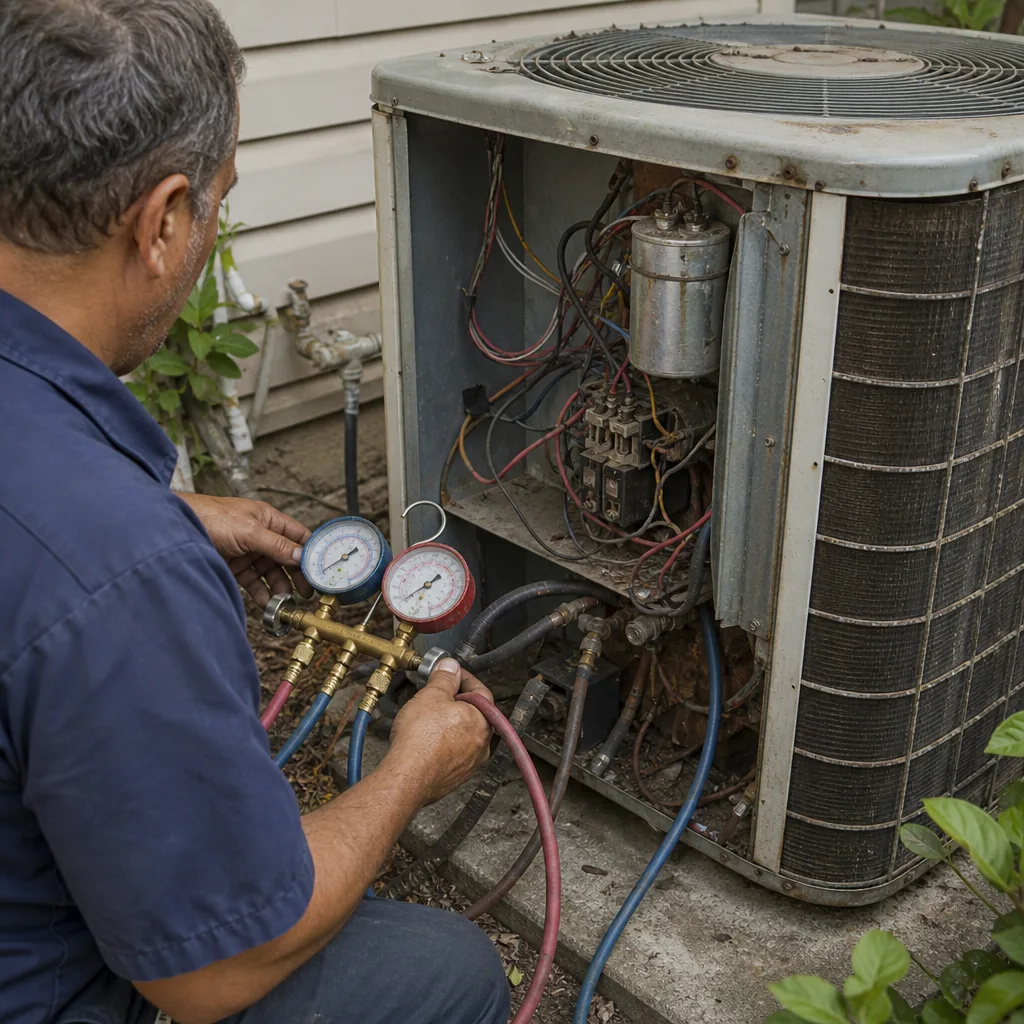 Before
 After
 Before
 After
 Before
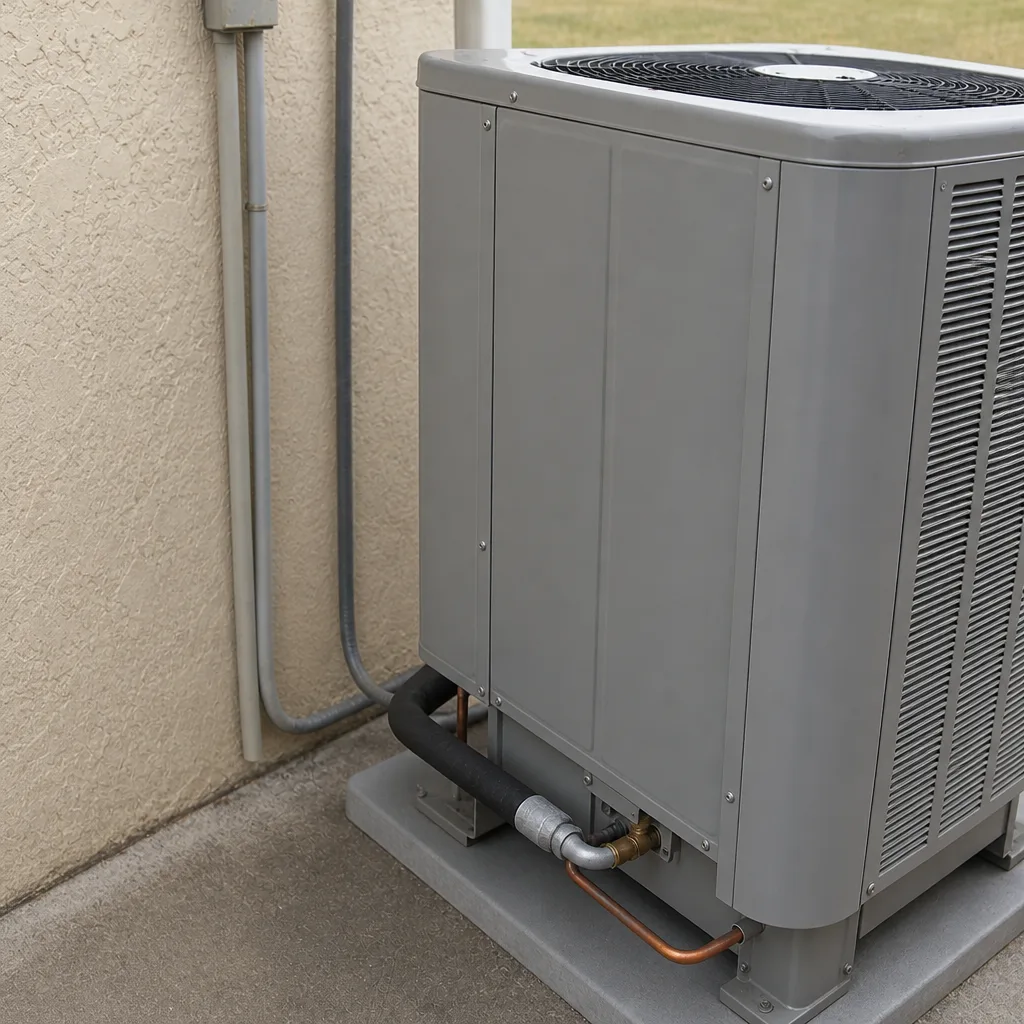 After
When to Call a Professional
Call a professional if your delta-T is consistently below 15 degrees, your indoor humidity stays above 55% while the system is running, or your electric bill is climbing without explanation. Call the same day if you hear clicking trying to start, if the outdoor fan isn’t spinning, or if you see any new sound from the compressor. Call immediately, and treat it as urgent, if the house isn’t cooling at all during a heat wave, especially with children, older adults, or anyone with health conditions in the home.
Some things are worth a phone call even if they seem small: a startup delay that wasn’t there last year, a short-cycling pattern a clean filter didn’t fix, or a refrigerant line that’s frozen. We work on the brand you already have. If it’s any of the nine major brands, we can help. If you’re shopping AC installation because the symptoms have stacked too high, we’ll give you a straight answer on repair versus replace. Dayspring AC Repair offers free estimates in Port St. Lucie. Call (833) 659-7543. We answer 24/7, with fast dispatch from 7am to 7pm, Sunday through Friday.
Frequently Asked Questions
A rising electric bill with no change in household habits is the most common early sign. In our climate, the system runs so many hours a week that a small efficiency loss shows up in kWh before it shows up in comfort. Pull your FPL history and look at the trend across the hot months. Call (833) 659-7543 for a free estimate if the trend concerns you.
A normal delta-T is roughly 15 to 22 degrees Fahrenheit, measured as supply-air temperature subtracted from return-air temperature. Readings below 15 usually mean refrigerant, airflow, or duct issues. Readings above 22 usually mean restricted airflow. If your reading is outside that range, call (833) 659-7543.
You can fix the most common cause – a dirty filter – by changing it and seeing if the cycling settles. If it doesn’t settle within a day with a clean filter, the cause is likely refrigerant charge or system sizing, and that’s a technician call. Don’t ignore persistent short-cycling. Call (833) 659-7543 for an honest assessment.
A failing capacitor usually produces clicking and humming at startup with the outdoor fan not spinning. A failing compressor sounds like a deep growl or rattle from inside the outdoor unit. The capacitor is a small repair, the compressor is a much larger one. Get either checked quickly. Call (833) 659-7543.
High indoor humidity with cool air usually means the system can’t dehumidify properly, and the cause is often a low refrigerant charge or restricted airflow. Anything above 55% RH with a running system is worth a diagnostic. We see this across all brands, from Rheem to York to the rest. Call (833) 659-7543 for a free estimate.
It depends on the age of the equipment, the size of the repair, and how many signs are showing at once. If a compressor is failing on a system that’s near the end of its expected life, replacement may make more sense. If it’s a capacitor or a charge issue on otherwise healthy equipment, repair clearly wins. We cover both repair and installation, so we can tell you honestly which makes sense without a quota pushing either direction. Call (833) 659-7543 and we’ll walk it through with you.
The Bottom Line
HVAC failures almost always announce themselves first. A rising electric bill, a delta-T that’s drifted, humidity that’s creeping past 55%, short-cycling a filter change doesn’t fix, and a new sound at startup are all conditions that precede failure. In Port St. Lucie, where the cooling season runs long and the humidity is relentless, these signs give you weeks or months to act, if you know what to watch. Read the trend, trust the sound, and run the delta-T test once a month. If you’re seeing what this guide describes, we’re here for Port St. Lucie homeowners with honest advice and free estimates. Learn more about Dayspring AC Repair and how we work.
Call (833) 659-7543 for a free estimate. We answer 24/7. Fast dispatch from 7am to 7pm, Sunday through Friday.
Written by the team at Dayspring AC Repair.