
Last updated November 15, 2026
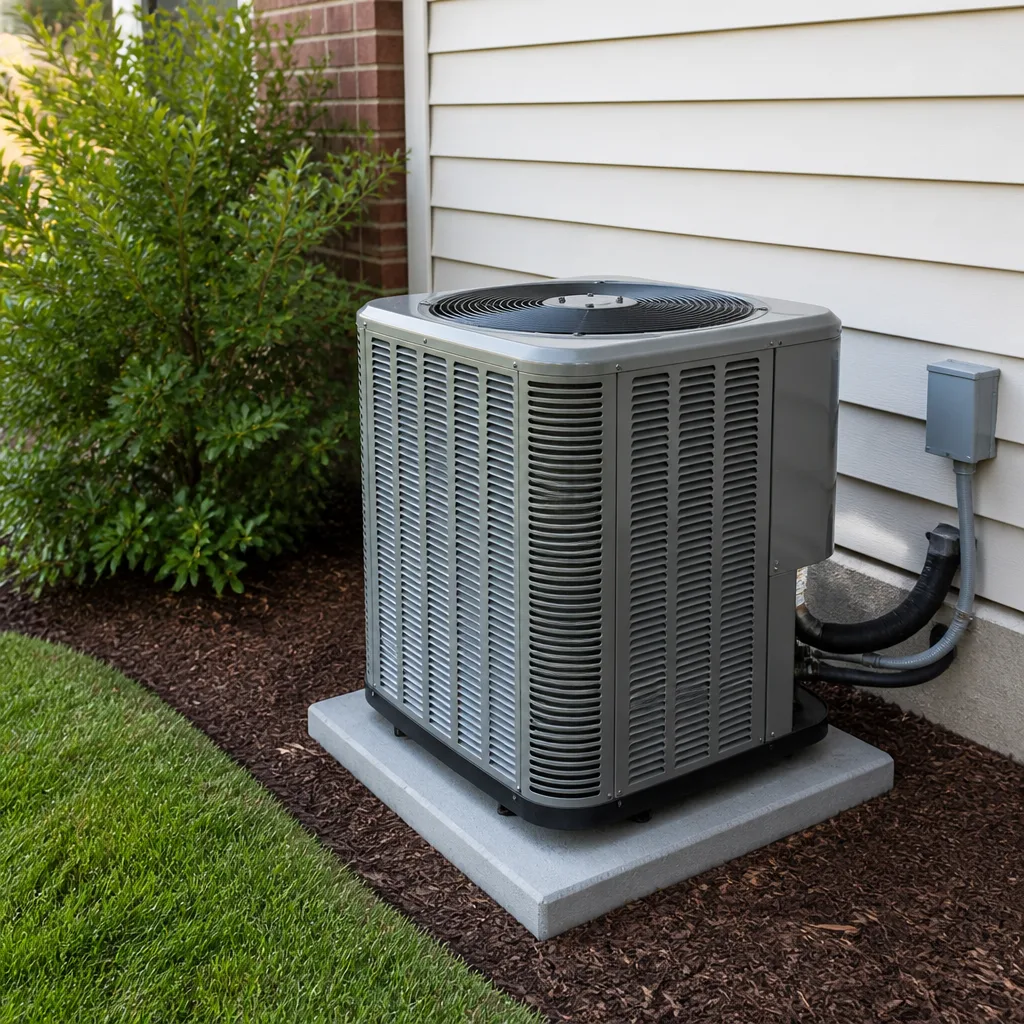 AC repair
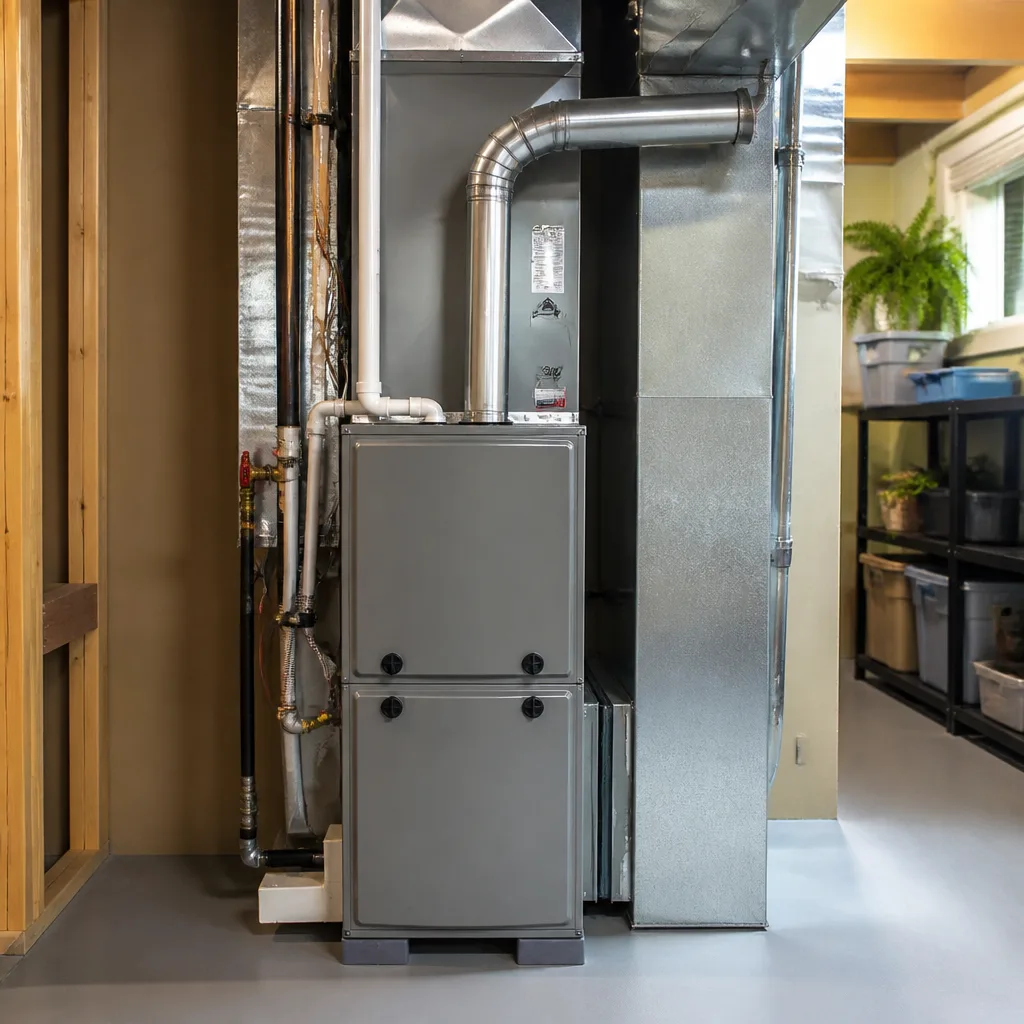 Furnace & heating
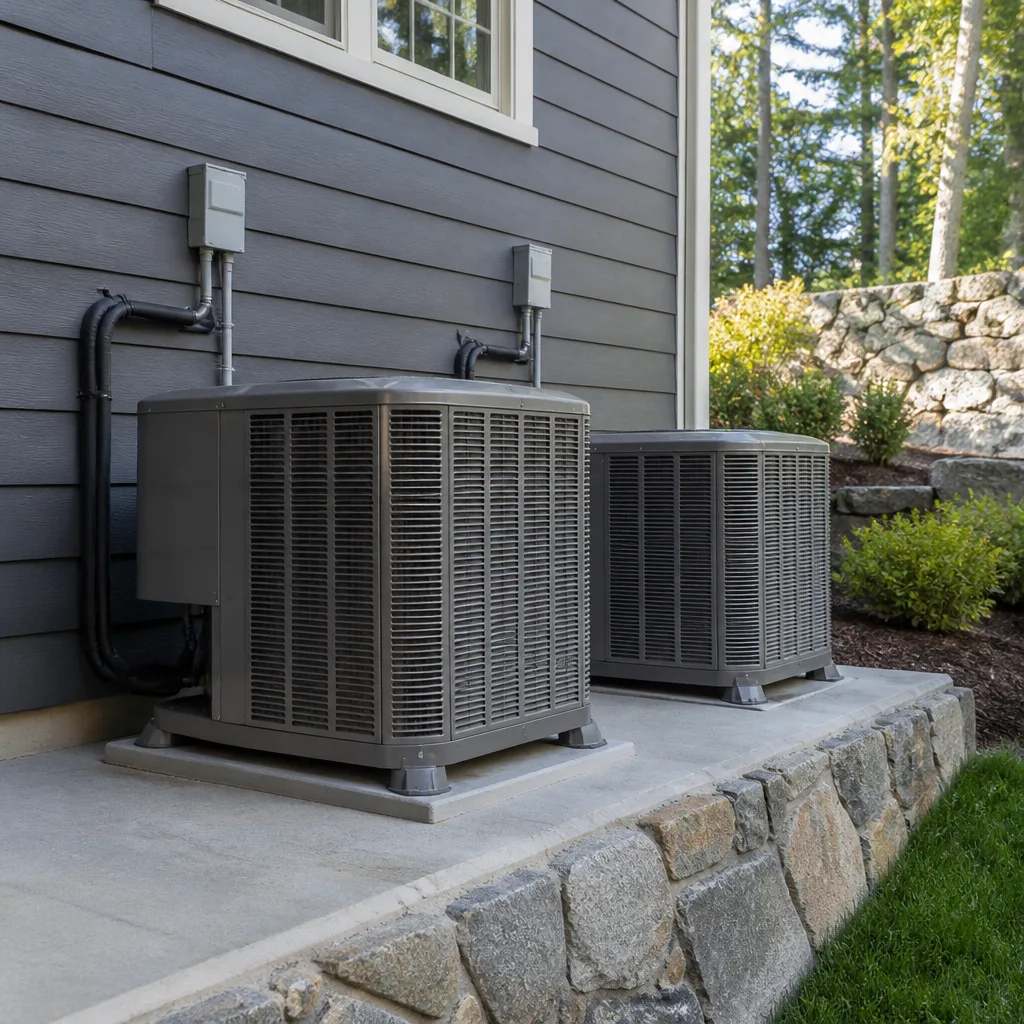 Heat pumps
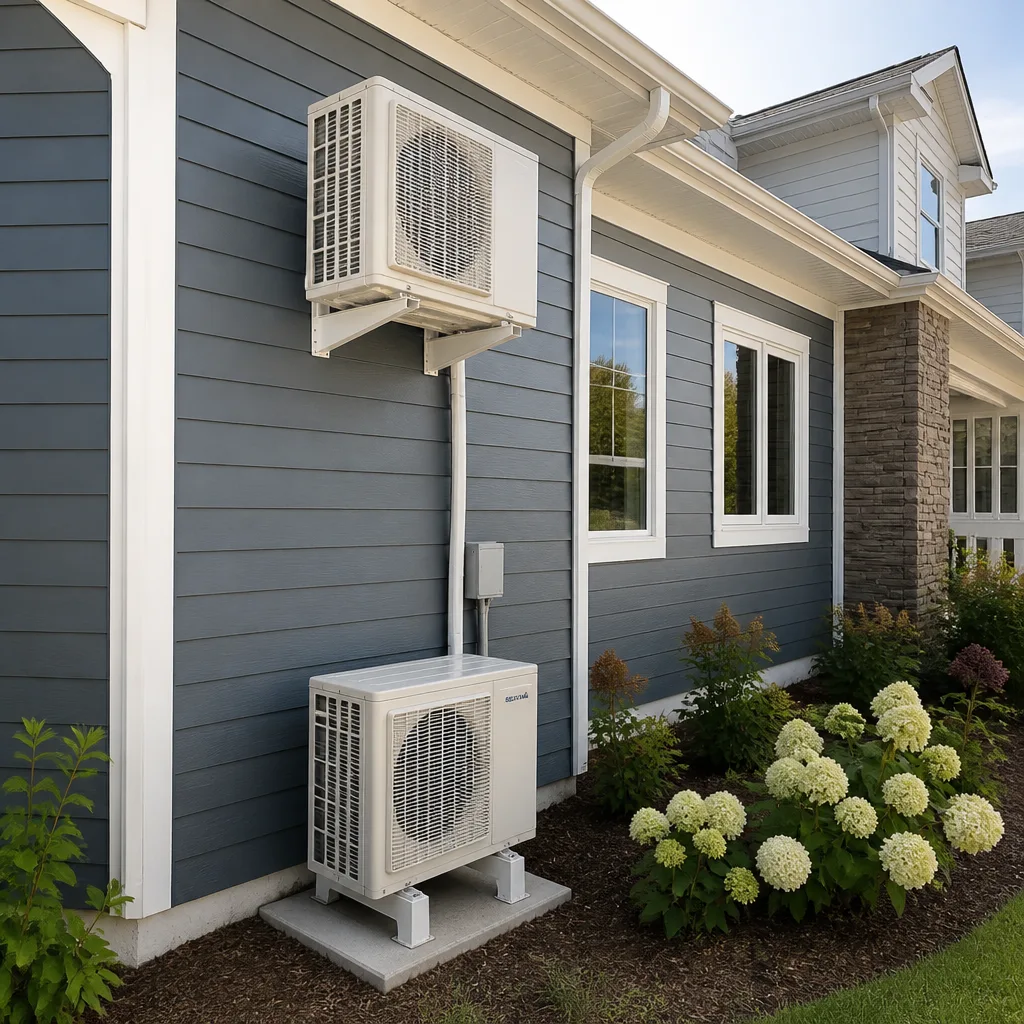 Ductless mini splits
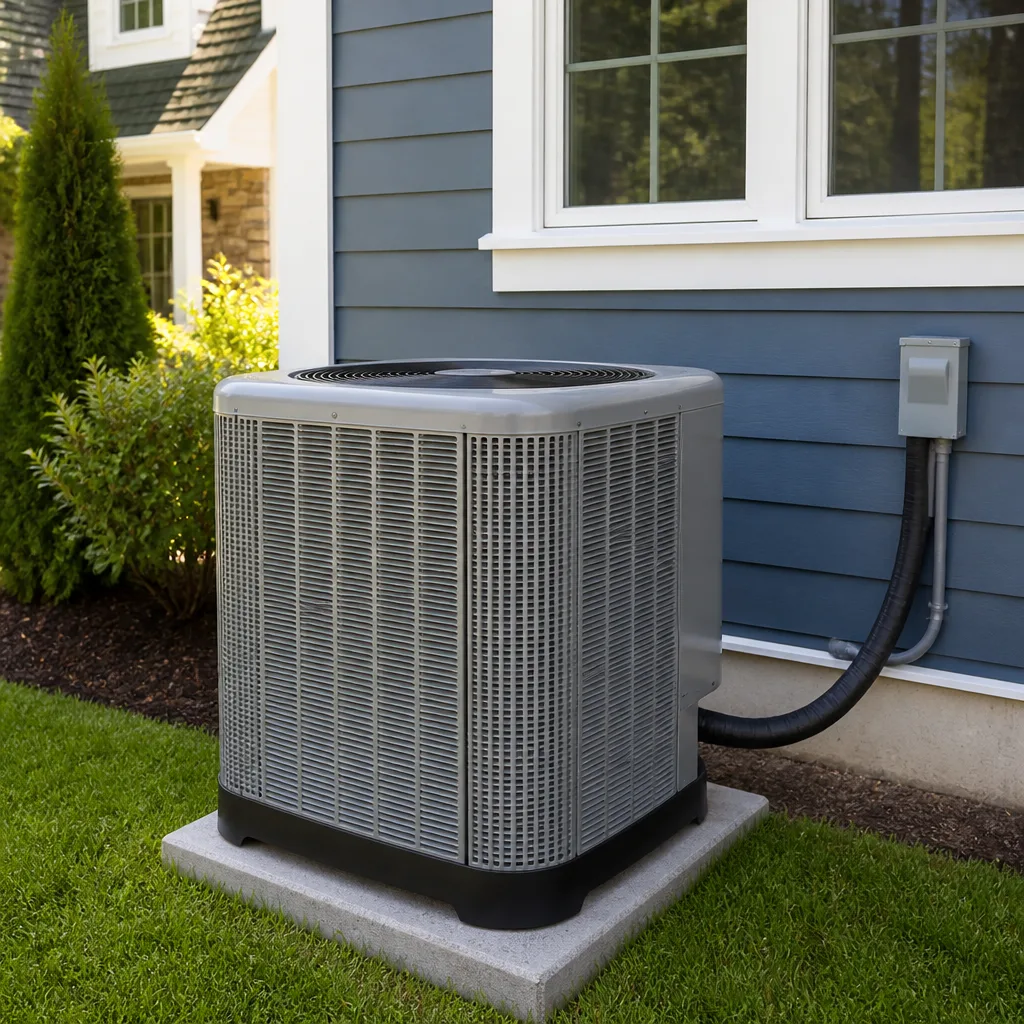 Carrier
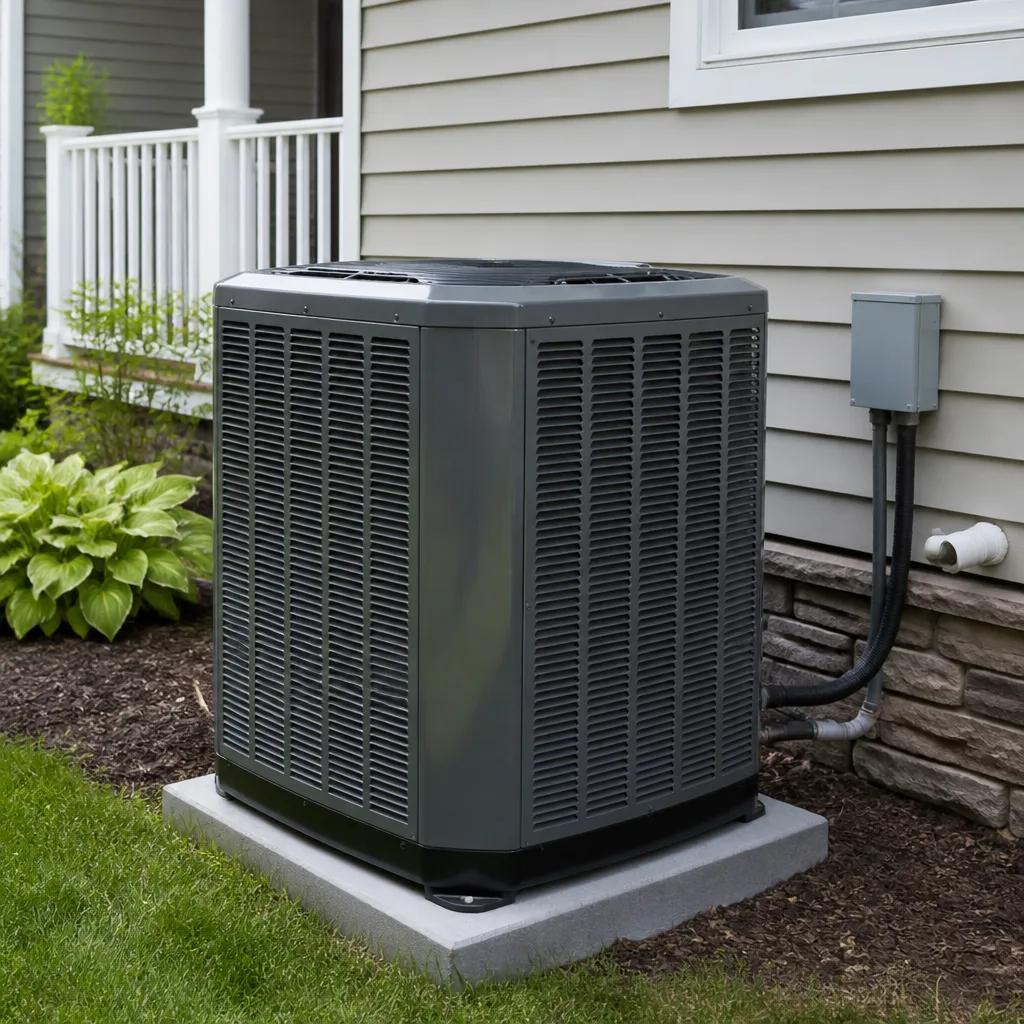 Trane
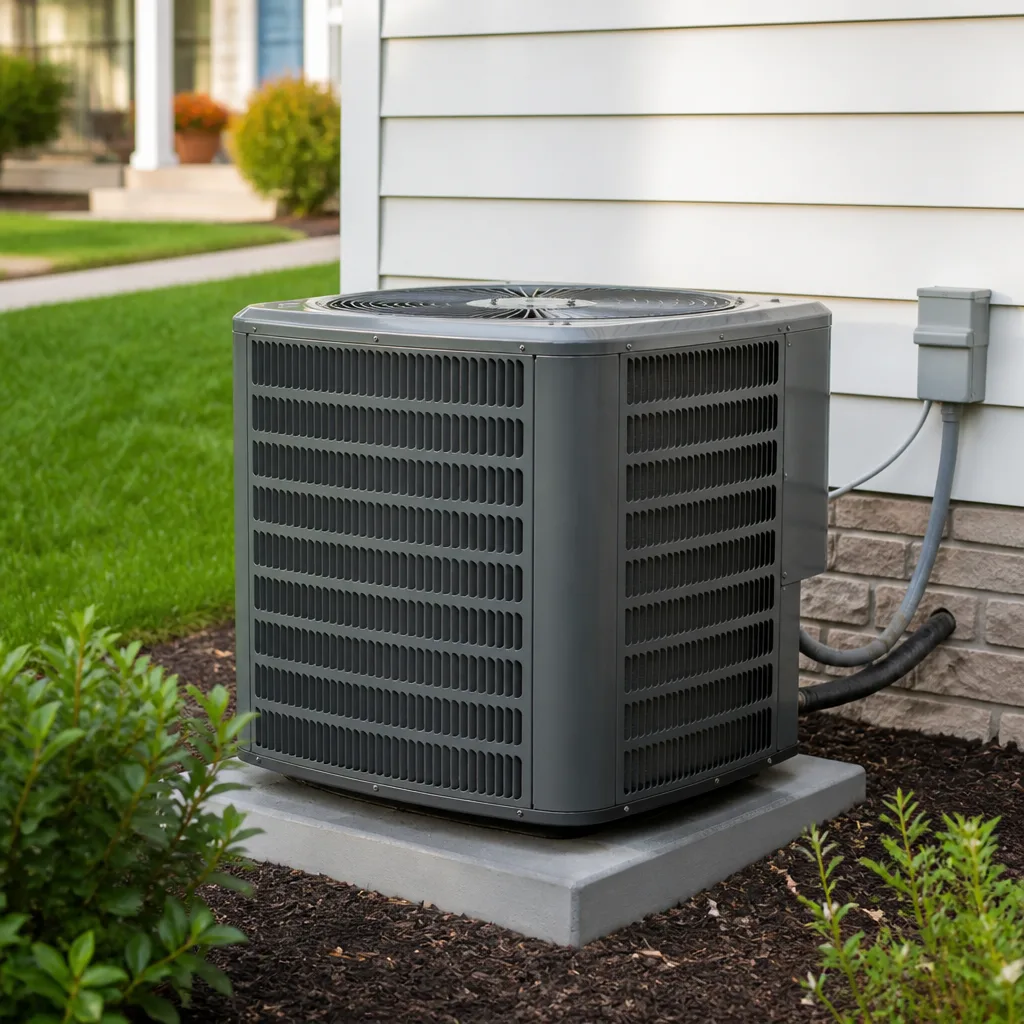 Goodman
Seasonal tune-up and full diagnostic on your Carrier, Trane, or Goodman system - readings shown to you before any repair is proposed
Diagnosis first, numbers second - you approve the repair price before a single part goes in.
Get your free estimateHow to Hire an HVAC Contractor in Port St. Lucie: A Step-by-Step Guide
Most homeowners hire an HVAC contractor the same way they hire a restaurant: they pick whatever comes up first and sounds fine. That works for dinner. It doesn’t work for a system that runs almost year-round, sits in a house you’ll eventually sell, and carries a manufacturer warranty that depends on how the job was done. The misconception worth clearing up first is that a license, a low quote, or a friendly pitch means the work will be handled correctly. It might. But you have no way of knowing unless you actually check. In this guide we’ll walk you through the concrete filtering steps we wish every homeowner in Port St. Lucie knew before they signed an estimate.
Quick Answer
To hire an HVAC contractor in Port St. Lucie, verify the company’s Certified Air Conditioning (CAC) license on Florida’s DBPR database and confirm it’s active, not just “current on paper.” Ask how they size a replacement, expect a real load calculation rather than “matching the old unit,” confirm the permit will be pulled under their license, and get a written fixed price before work begins. Any contractor who can’t answer all four clearly is a contractor you can move past.
Styles & brands we work with
- AC repair
- Furnace & heating
- Heat pumps
- Ductless mini splits
- Carrier
- Trane
- Goodman
Table of Contents
- Step 1: Verify the License on Florida’s DBPR Database
- Step 2: Ask About the Load Calculation Method
- Step 3: Confirm the Permit Was Actually Pulled
- Step 4: Check Whether They Service Multiple Brands
- Step 5: Spot the Storm-Season Rush Hire
- Step 6: Read the Written Estimate Line by Line
- Step 7: The Questions to Ask Before You Sign
Step 1: Verify the License on Florida’s DBPR Database
Florida licenses HVAC contractors through the Department of Business and Professional Regulation, and the database is public. That last part matters. You don’t need to be a contractor, a real estate agent, or a lawyer to look up whether the person quoting you a replacement system is legally allowed to install it. You just need to know what you’re checking.
Here’s how to do it:
- Go to the DBPR license search on the Florida state website. Search by the company name and by the individual name on the estimate.
- Confirm the license type reads Certified Air Conditioning Contractor (CAC) or a Registered Air Conditioning Contractor (RAC). For statewide work, CAC is the standard.
- Check the status. “Active” or “Current, Active” means the license is in good standing. “Delinquent,” “Suspended,” “Revoked,” or “Null and Void” means the person doing your work is not cleared to be doing it.
- Match the license name to the person handing you the estimate. A technician working under someone else’s license, without that person on the job, is a real problem in Florida – the work can be flagged at inspection, at warranty time, or when you sell.
What “delinquent” actually means: the license exists but the holder hasn’t paid renewal fees or met continuing education. It’s often a paperwork lapse, but utility regulators, warranty companies, and insurance carriers treat it as unlicensed. If you sign with a delinquent contractor and the install later has a problem, you may have no recourse. That’s the risk.
You should also ask for the Certificate of Insurance for both general liability and workers’ comp. Not the policy number on a business card. The actual certificate, with the insurer’s name and the coverage dates on it.
Step 2: Ask About the Load Calculation Method
This is the question that separates a contractor from a parts-swapper. Any HVAC system you install in Port St. Lucie should be sized based on a load calculation, which means measuring the actual heat gain of your house and matching equipment capacity to it. The industry standard is called a Manual J calculation – often paired with Manual S for equipment selection and Manual D for duct design.
Here’s what to listen for. Ask: “What’s your sizing method?”
- The right answer: “We run a Manual J load calculation and use Manual S to select the equipment.” Sometimes they’ll add Manual D for the duct work. Good contractors will explain what that involves – measuring windows, insulation, ceiling height, orientation, internal heat sources – and they’ll take 30-60 minutes inside your home to do it.
- The disqualifying answer: “We match the existing unit.” That means they looked at the tonnage on your old system and are assuming the original installer got it right. Sometimes they did. Often they didn’t. If the original unit was oversized or undersized, matching it reproduces the problem.
- Also disqualifying: “We use a rule of thumb – about 400 square feet per ton.” That’s a shortcut that ignores your home’s specific characteristics. In a Port St. Lucie house with south-facing windows, a tile roof, and a garage the sun bakes every afternoon, the actual load isn’t a rule of thumb. It’s a number.
Why it matters: an oversized system cools the house too fast, then shuts off before it removes humidity, and you get a house that feels clammy in summer. An undersized system runs constantly and never catches up. A proper load calculation is the difference between a system that holds comfortable and one that has to be replaced or heavily supplemented early.
Step 3: Confirm the Permit Was Actually Pulled
In most of Florida, replacing an HVAC system or making certain major repairs requires a permit through your local building department. In Port St. Lucie, that runs through the city’s building division for city-limit addresses and through St. Lucie County for unincorporated addresses. The permit isn’t bureaucratic noise – it creates a paper trail that follows the house. It protects you at inspection time, at resale, and if there’s ever an insurance claim tied to the work.
A legitimate permit pull looks like this:
- The contractor asks for your address, the scope of work, and the equipment specifications before starting. That information becomes the permit application.
- The permit is applied for under the contractor’s license number, not yours. If the contractor asks you to pull an owner-builder permit for HVAC work you aren’t doing yourself, that’s a red flag.
- You receive a copy of the permit or the permit number. Don’t assume the contractor is handling it – ask for the number in writing before the install date.
- An inspection happens after the work. The contractor schedules it. You confirm it was done and passed, and you keep the paperwork.
How to confirm it was actually filed: call the building department yourself with the address and permit number, or look it up in their online portal if the city has one. Many Port St. Lucie homeowners never do this step, which means a contractor who “promises” to pull the permit and quietly doesn’t has nothing stopping them. The permit is also what tells a future buyer’s inspector that the install was done under supervision. “Unpermitted” is a real line item on a home inspection report.
Step 4: Check Whether They Service Multiple Brands
Here’s a piece of contractor economics most homeowners never think about. If a company is exclusive to one manufacturer, they make money two ways: on installs and on the manufacturer’s dealer program. That doesn’t make them dishonest. It does mean their recommendation is filtered through their business model. If your seven-year-old Carrier system has a repairable fault and the person in your home only sells new Trane units, you can guess which direction the recommendation tilts.
A contractor who works on multiple major brands has more room to give you the honest answer. They can repair the system you already have, and they can also install a replacement if that’s the right call – without a quota telling them which answer to give. We work on the brand you already have, whether it’s a Bryant, American Standard, or anything else in the multi-brand range most Port St. Lucie homes already have. That’s not a marketing boast. It’s just the structure that lets us tell a homeowner “keep what you’ve got” without it costing us the sale.
When you’re screening contractors, ask:
- “Which manufacturers do you service?” If the answer is a single brand, ask what happens if the homeowner already owns something else.
- “Do you get factory incentive on any specific brand?” The honest ones will tell you – and that’s a good sign, not a bad one.
- “If repair and replacement both make sense, how do you help me decide?” The answer should include numbers – expected remaining life, cost of the repair, cost of the replacement, ongoing energy comparison – not just an opinion.
Step 5: Spot the Storm-Season Rush Hire
After a major storm hits the Treasure Coast, out-of-state crews show up within days. Some are legitimate. Some are opportunists running “storm damage” HVAC and roofing operations, collecting deposits, and disappearing. There’s no shortcut around it: you have to slow down and check, even when your house has no working cooling and every day without it feels like a week.
The specific red flags:
- No verifiable Florida license number. If they show you an out-of-state license and say “we’re registered to work here,” ask for the Florida DBPR record. If they can’t produce it, that’s the whole answer.
- No local insurance agent or address you can verify. Legitimate out-of-state firms doing storm work have a verifiable Florida address, an active Florida license registered to that firm, and phone numbers you can trace back to a real business phone record.
- Deposit pushed hard before the permit is even discussed. A deposit for materials is normal. A deposit requested before any paperwork – permit application, contract, written scope – is a warning sign.
- Cash-only pricing and no written contract. Any contractor removing written paperwork from the process is taking away your ability to enforce anything later.
- A quote that’s dramatically below the local market. Sometimes it’s real. More often, it means cut corners on the install – no permit, no load calculation, no quality line set, no properly sized ducts.
A local contractor with a verifiable track record in Port St. Lucie is the safer bet after a storm, even if they’re busier and can’t get to you as fast. The extra week of heat is less painful than a bad install you’ll be paying for at resale.
Step 6: Read the Written Estimate Line by Line
A written estimate isn’t a loyalty test – it’s your only protection. Every contractor should provide one before work starts, and the estimate should be specific enough that you could hand it to a second contractor and they’d understand exactly what’s included. If the estimate is a single line item with a lump-sum price, you can’t compare it to anything, and you can’t check what’s been left out.
What should be in a legitimate HVAC estimate:
- Equipment make, model, and capacity in tons and in SEER2 (if replacement). If the model number is missing, ask for it. Look it up if you want – the manufacturer spec sheets are public.
- Scope of work in plain language. Line set replacement or reuse? Duct modifications? Electrical work? Thermostat? Filter? Each should be clear.
- Permit cost itemized separately. The permit fee varies by jurisdiction and by system size, but the line should exist.
- Warranty terms in writing. Parts warranty (from the manufacturer, usually 5-10 years depending on registration) and labor warranty (from the contractor, varies). Note whether the manufacturer’s warranty requires the contractor to register the equipment on your behalf – it usually does, and it’s usually done within 60 days of install.
- Payment schedule. A reasonable deposit up front, balance on completion and passing inspection. Anything requiring full payment before the work is done is a problem.
- The date. When the work will start and how long it will take. “Sometime next week” isn’t a date.
Estimates are free across the HVAC trade, and there’s no reason to accept one that isn’t in writing. If work has already begun and there’s no written estimate, stop and ask for one.
Step 7: The Questions to Ask Before You Sign
This is the short version. If you only do one thing from this guide, ask these questions and listen for clear, non-defensive answers. A contractor who’s confident in their work will answer without flinching. A contractor who isn’t will get vague, defensive, or start steering the conversation.
- What’s your Florida license number, and can you show me the DBPR status? The answer should include the number and the license type (CAC or RAC).
- How will you size the replacement – what sizing method? “Manual J” is the answer. “Match the old unit” is not.
- Will you pull the permit under your license, and will you give me the permit number? Yes and yes.
- Which brands do you service or install? A multi-brand answer is preferable. A single-brand answer isn’t disqualifying, but it means you should get a second quote from a multi-brand shop to compare.
- What’s the warranty – parts and labor – and who registers the equipment? Both parts and labor should be stated, and equipment registration should be included.
- What’s the total out-the-door price, and are there additional charges for anything (permit, haul-away, disposal, thermostat, duct modifications)? You want to hear “no” clearly, not “we’ll see.”
- What happens if something’s wrong after install? There should be a clear answer – a callback window, a written fix-it commitment, a service warranty period.
If you’re getting multiple quotes, ask these exact questions to each contractor so you can compare answers directly. Different questions get you incomparable answers, which is how bad hires slip through.
Common Mistakes to Avoid
- Hiring whoever can come today. A failed system in July is an emergency, and speed matters. But the contractor who can come today should be the one you would have picked on a calm day, not just the one with the earliest opening. Same-day service is real; same-day vetting is a mistake.
- Taking the lowest quote without reading it. A quote that’s thousands below the others isn’t a bargain – it’s a quote with something missing. Maybe no permit, no load calculation, or a smaller equipment size than the house actually needs.
- Accepting “we’ll pull the permit.” Confirm it. Get the number in writing, check that it was filed under the contractor’s license, and confirm the inspection passed. “Promises” don’t survive an inspection report.
- Letting the contractor size the unit by matching the tag on your old one. Your house hasn’t gotten smaller or bigger, but the old unit may have been wrong from the start. A contractor who defaults to matching is defaulting to guesswork.
- Skipping the DBPR check because they seem professional. The checking takes two minutes. The consequence of not checking – unpermitted work, a voided warranty at resale – can take years to surface. Two minutes versus years is an easy trade.
- Hiring a storm-season crew with no local footprint. After a storm, out-of-state crews appear fast. Some are legitimate. If a company can’t show a Florida license registered to their firm, a verifiable address, and an actual contract, keep looking.
- Signing an estimate that has no model numbers. If you can’t look up the equipment you’re paying for, you can’t check whether the price matches. Ask for the model number on every line item.
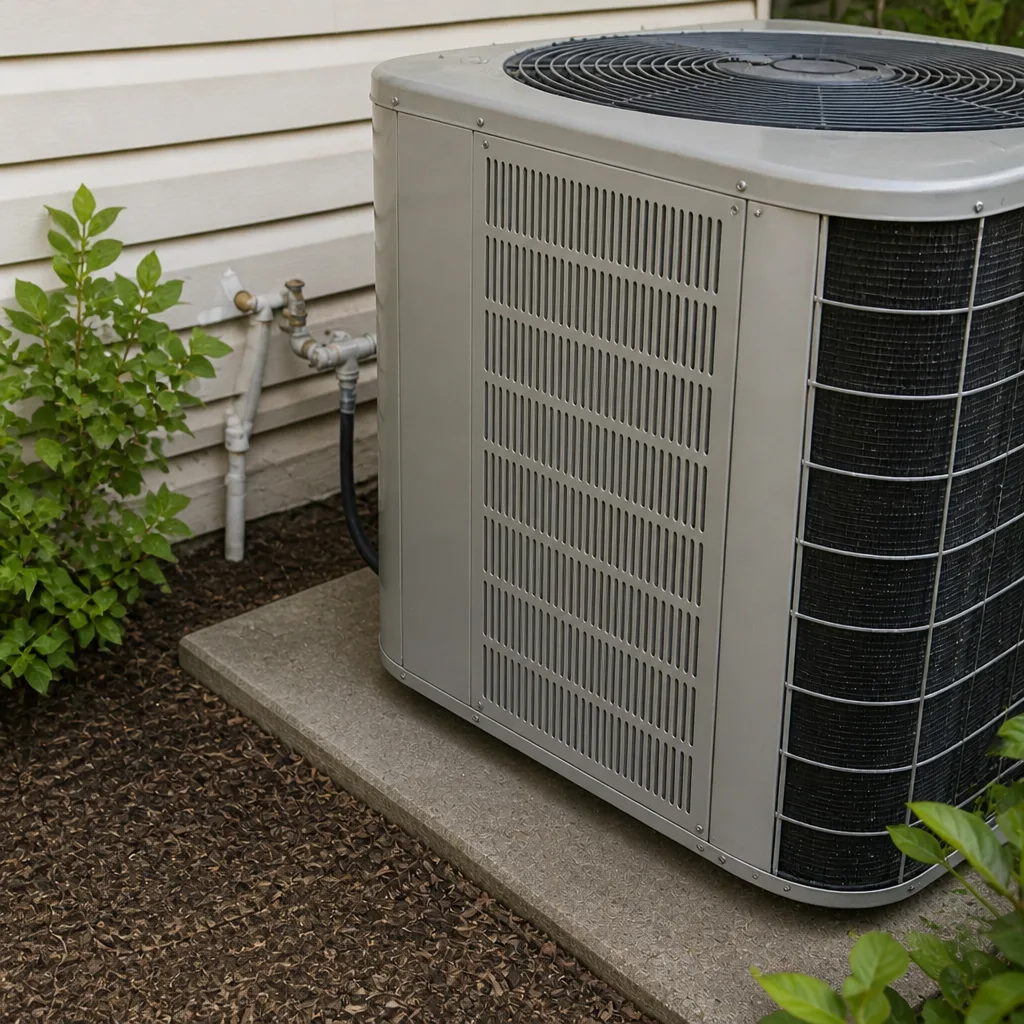
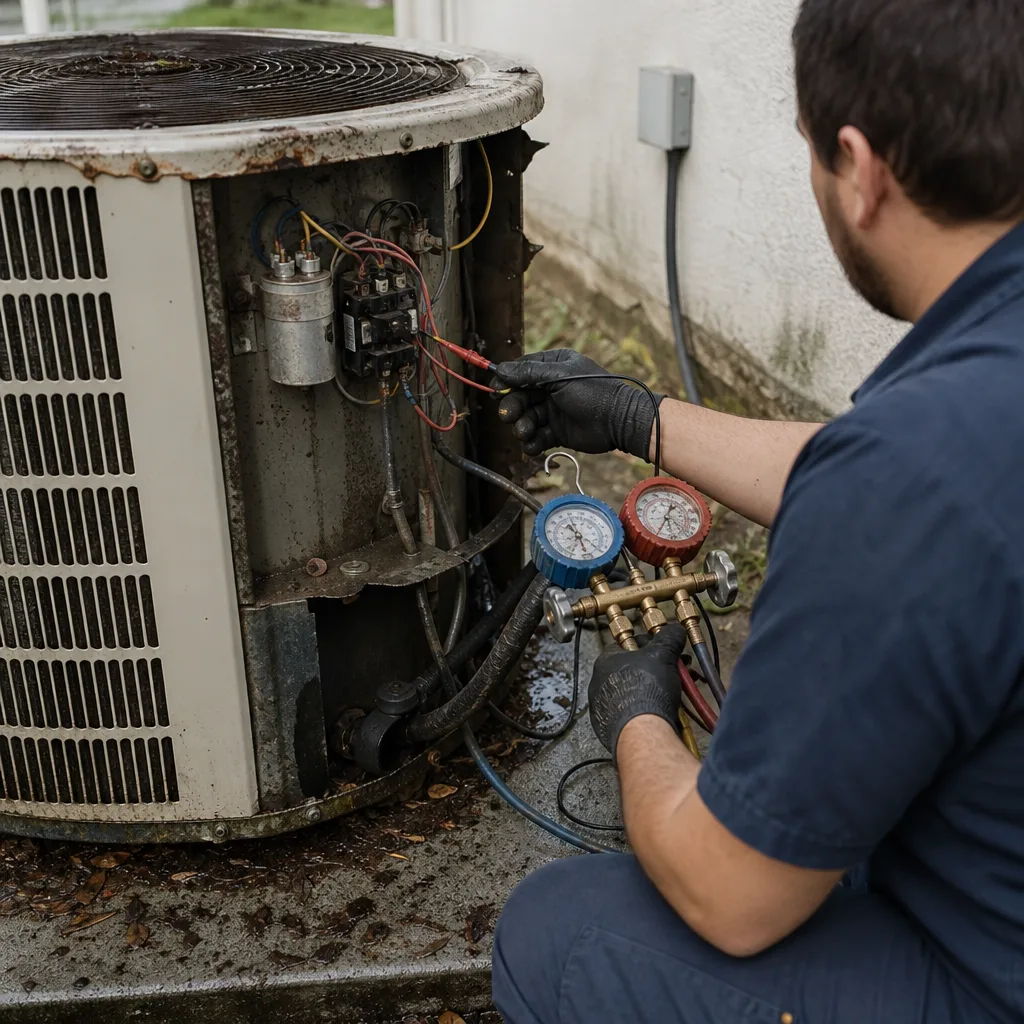
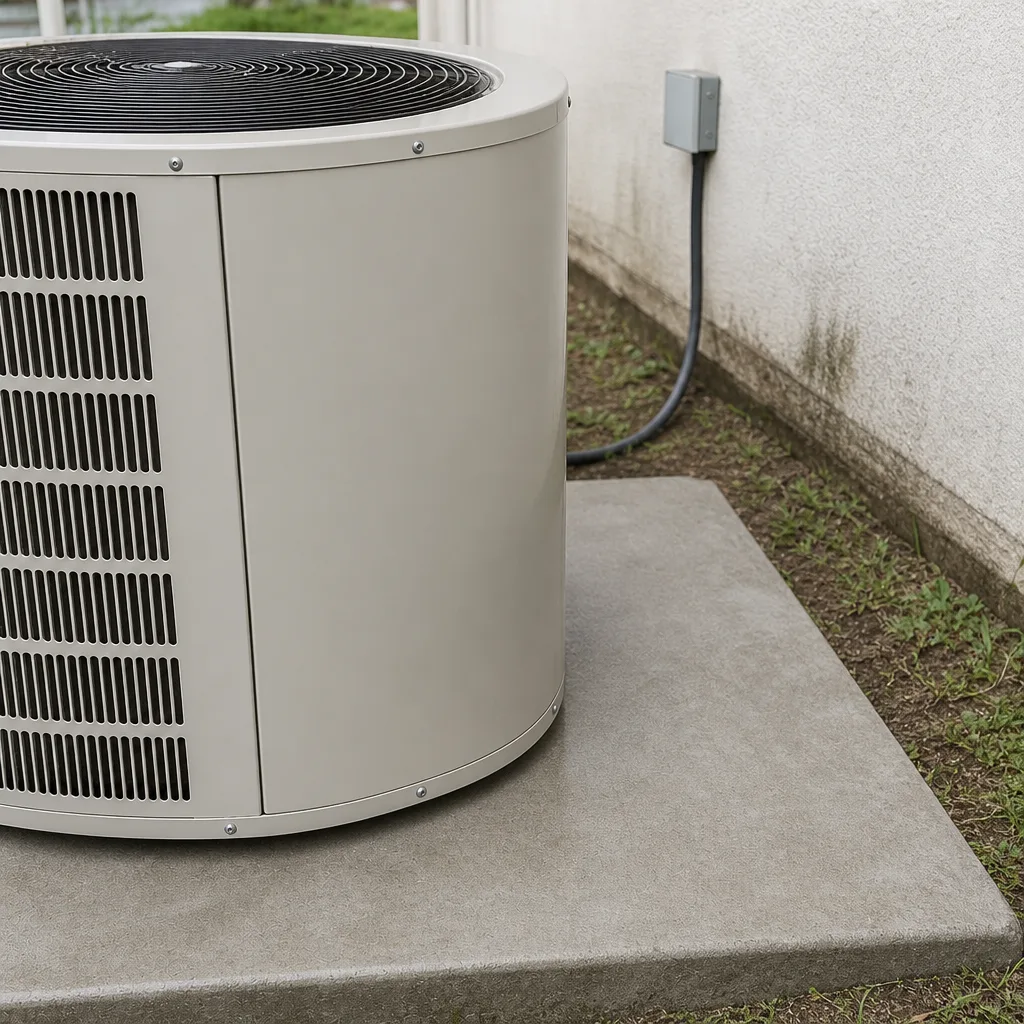
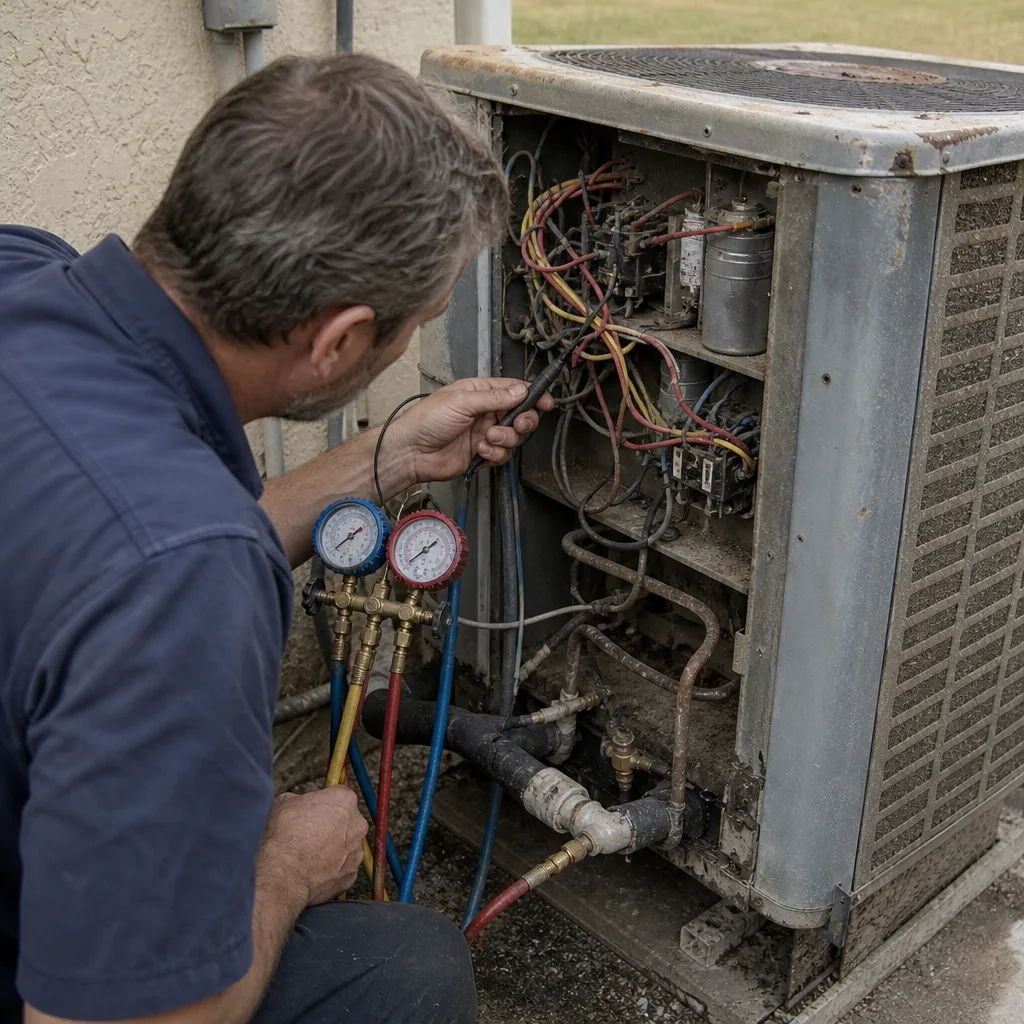
See the difference
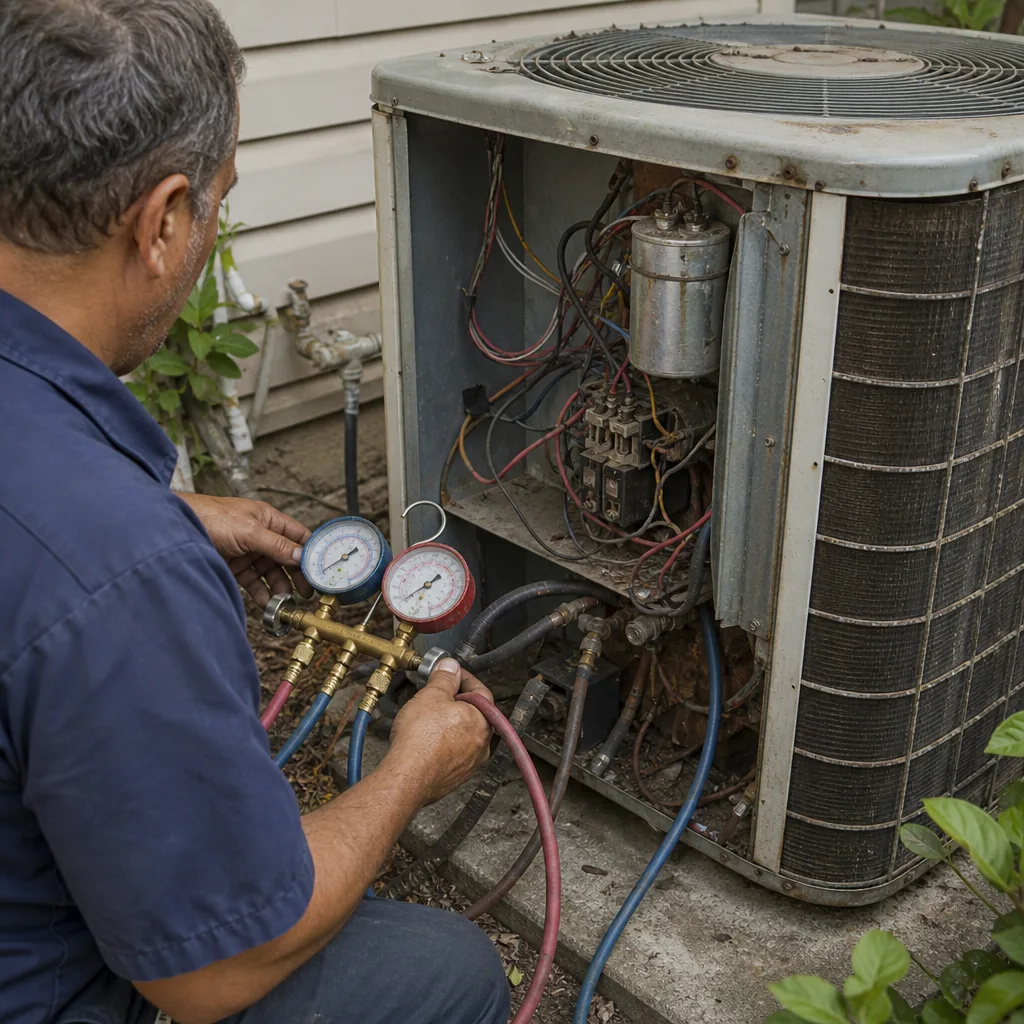 Before
 After
 Before
 After
 Before
 After
When to Call a Professional
Some HVAC issues are do-it-yourself. A clogged condensate drain line, a dirty filter, a thermostat battery – those are homeowner tasks and worth handling yourself. But some signs point to something only a trained technician should diagnose and fix. If your system runs but doesn’t cool the house, if the breaker trips repeatedly when the AC starts, if you hear a grinding or screeching sound from the outdoor unit, if the indoor coil is icing over, or if there’s a burning smell when the system kicks on, stop using it and call. Electrical faults in HVAC equipment are a fire risk, and refrigerant handling requires a licensed technician by law in Florida. These aren’t edge cases – they’re the situations where a wrong repair can cost more than the original problem. Our technicians have up to 9 years of experience across the major brands, and we’re happy to give you a straight read on whether the problem is a repair or a replacement scenario before you commit to anything.
Dayspring AC Repair offers free estimates in Port St. Lucie – call (833) 659-7543. We answer 24/7. Fast dispatch from 7am to 7pm, Sunday through Friday.
Frequently Asked Questions
Look up the contractor’s license number on the Florida DBPR license search, and confirm the status shows “Active” (not “Delinquent,” “Suspended,” or “Revoked”). The license type should read Certified Air Conditioning Contractor (CAC) or Registered Air Conditioning Contractor (RAC). Ask for the number in writing before you sign. Call (833) 659-7543 if you want to compare a quote you’ve received – estimates are free.
Ask what method the contractor uses, and listen for “Manual J” or “Manual S.” That’s the industry-standard residential load calculation process that sizes equipment to your actual home rather than the previous unit. If they answer “we match the existing unit” or “about 400 square feet per ton,” you should disqualify them and look elsewhere. Call (833) 659-7543 for a free estimate and a straight answer on sizing.
In most cases, yes – replacing an air conditioning system or making major repairs to it requires a permit through the City of Port St. Lucie building division (or St. Lucie County if you’re in unincorporated area). The contractor should pull the permit under their own license, provide you the number in writing, and schedule the inspection after the work. If they ask you to pull an owner-builder permit for HVAC work you aren’t performing yourself, that’s a red flag. Call (833) 659-7543 if you’re unsure whether your project needs a permit – we can point you in the right direction.
AC repair pricing depends on the specific fault and the parts involved, so the honest answer is that we can’t quote a repair without seeing the system. Every quote we provide is set per job by the written estimate, and estimates are free – not a diagnostic fee with a credit toward the repair. Call (833) 659-7543 to book a diagnostic and get a written number before any work starts.
Often, yes – repair calls can typically be handled same day, though replacement installs are scheduled separately because they require a load calculation and equipment order. Call (833) 659-7543 first thing in the morning if you want to maximize the chance it’s handled same day. We answer 24/7, and fast dispatch from 7am to 7pm, Sunday through Friday, gets a technician to you quickly.
The honest answer depends on age, remaining efficiency, and the cost of the specific repair versus the cost of a replacement. There’s no rule that says “replace at 10 years” or “repair until 15” – it depends on the fault, the equipment condition, and what you plan to do with the house. A multi-brand contractor can give you a real answer without a sales quota pointing one way. We work on the brand you already have, and we’ll tell you which one actually makes sense for your situation. Call (833) 659-7543 for a free estimate.
There’s at least one more thing worth mentioning in the FAQ context: brands. We work on the equipment most Port St. Lucie homes already have, and the major brands in that range include Carrier, Trane, Bryant, and American Standard, plus Goodman, Lennox, Rheem, York, and Daikin. If your system is on that list, you’re not going to hear “out of scope.” If it isn’t, we’ll still be straight with you about what we can and can’t do.
The Bottom Line
The short version of this guide is that hiring an HVAC contractor in Port St. Lucie comes down to four checks: verify the license on DBPR, ask about the load calculation method, confirm the permit was actually pulled and inspection passed, and read the written estimate for model numbers and warranty terms. Add a fifth habit – get one quote from a contractor who services multiple brands, so you’re not hearing a recommendation shaped by a single-manufacturer dealer program. None of these checks takes long. Together they’re the difference between a system that holds up for the next decade and one that costs you at inspection, at warranty time, or at resale. Our technicians have up to 9 years of experience across the brands most people already own. We service what you have, we give you the honest repair-or-replace answer, and we never charge for the estimate. When you’re ready to get real numbers, give us a call.
Get a Free Estimate in Port St. Lucie
If you’re comparing contractors or trying to sort out whether your current setup needs a repair or a full replacement, a free written estimate gives you something concrete to work from. No pressure, no quota, no surprise line items. Call (833) 659-7543 for a free estimate. We answer 24/7, and fast dispatch from 7am to 7pm, Sunday through Friday, gets a technician out to look at what you’ve got. Whether it’s a Carrier, Trane, Bryant, or American Standard system – or anything else in the multi-brand range – we’ll tell you straight what the next step should be. Also worth knowing: we handle both AC repair and AC installation under one roof, so the answer you get isn’t filtered through which service we’d rather sell you. If you’re newer to the area and want to understand the local climate and housing patterns that shape HVAC work here, our Port St. Lucie resource is a good starting place. For everything we do, visit Dayspring AC Repair.
Written by the team at Dayspring AC Repair.