
Last updated November 15, 2026
 AC repair
 Furnace & heating
 Heat pumps
 Ductless mini splits
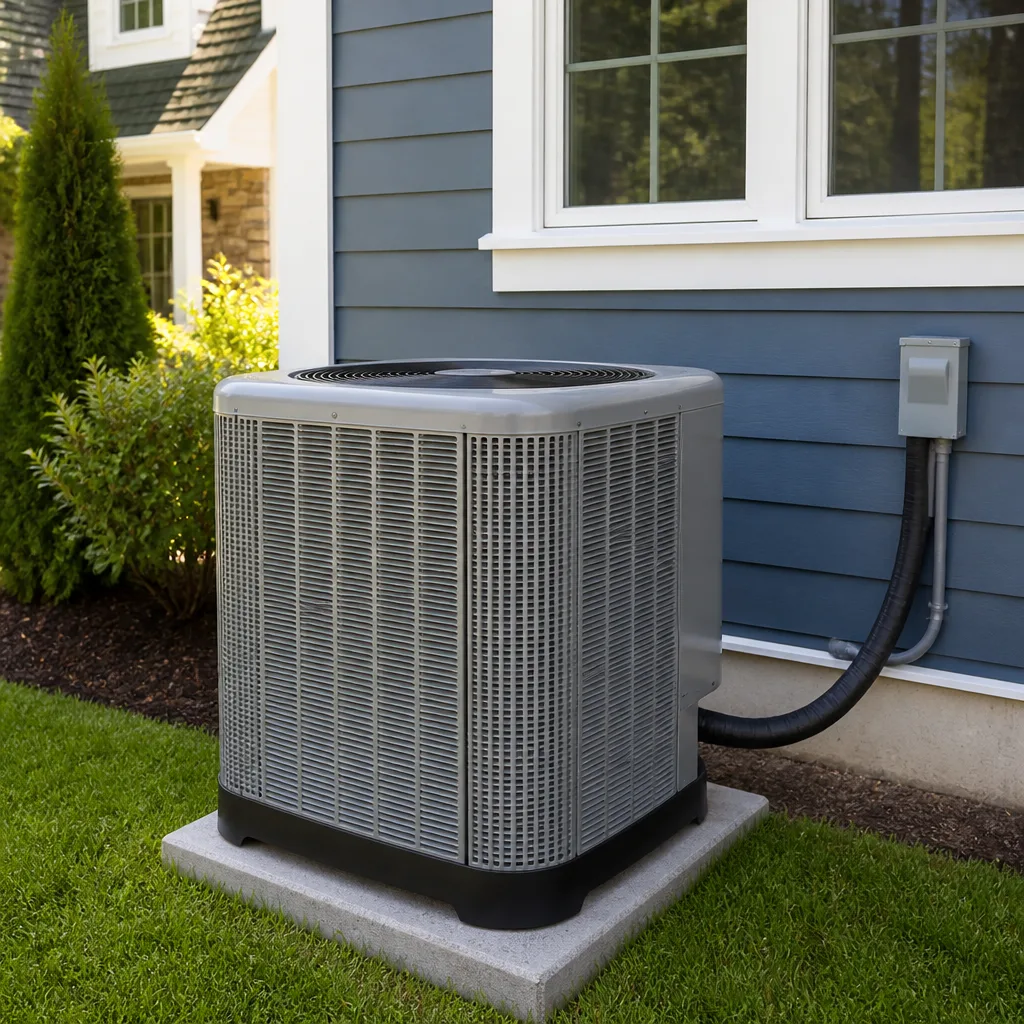 Carrier
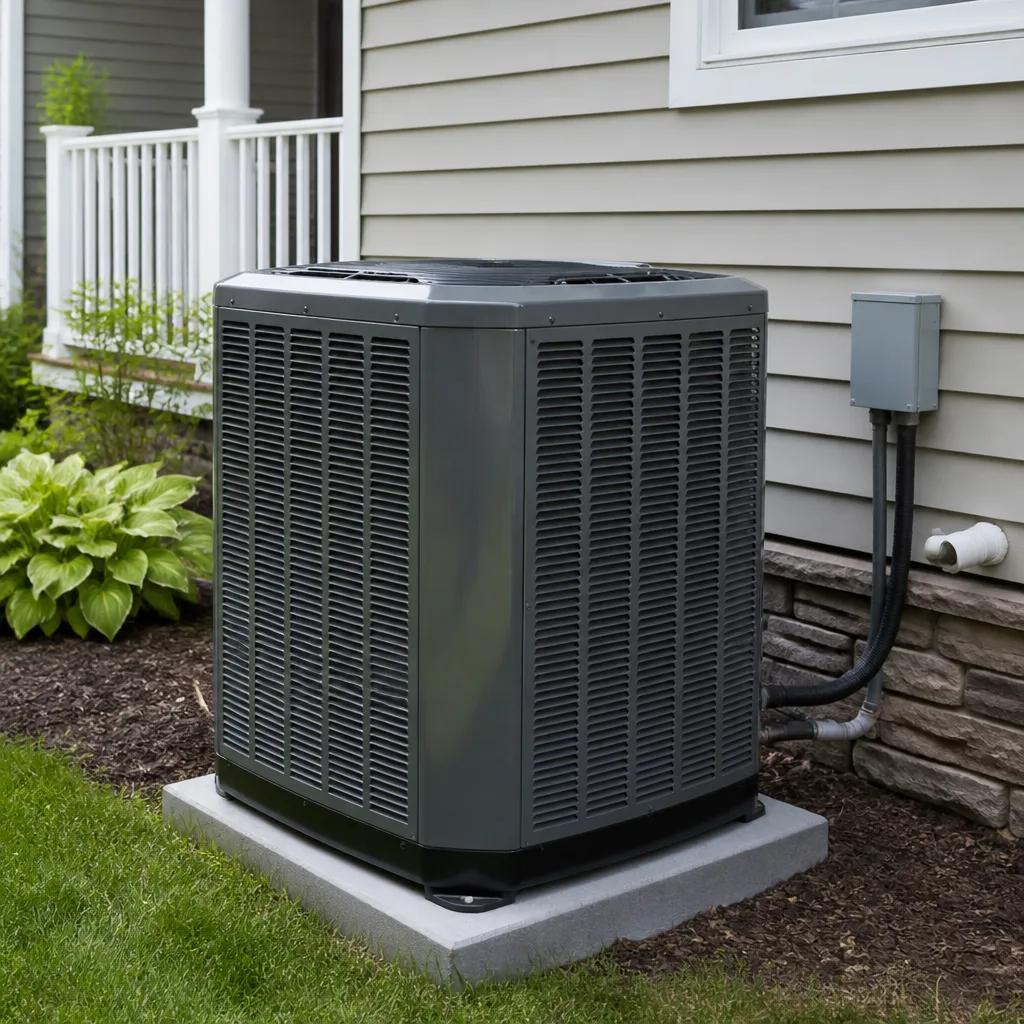 Trane
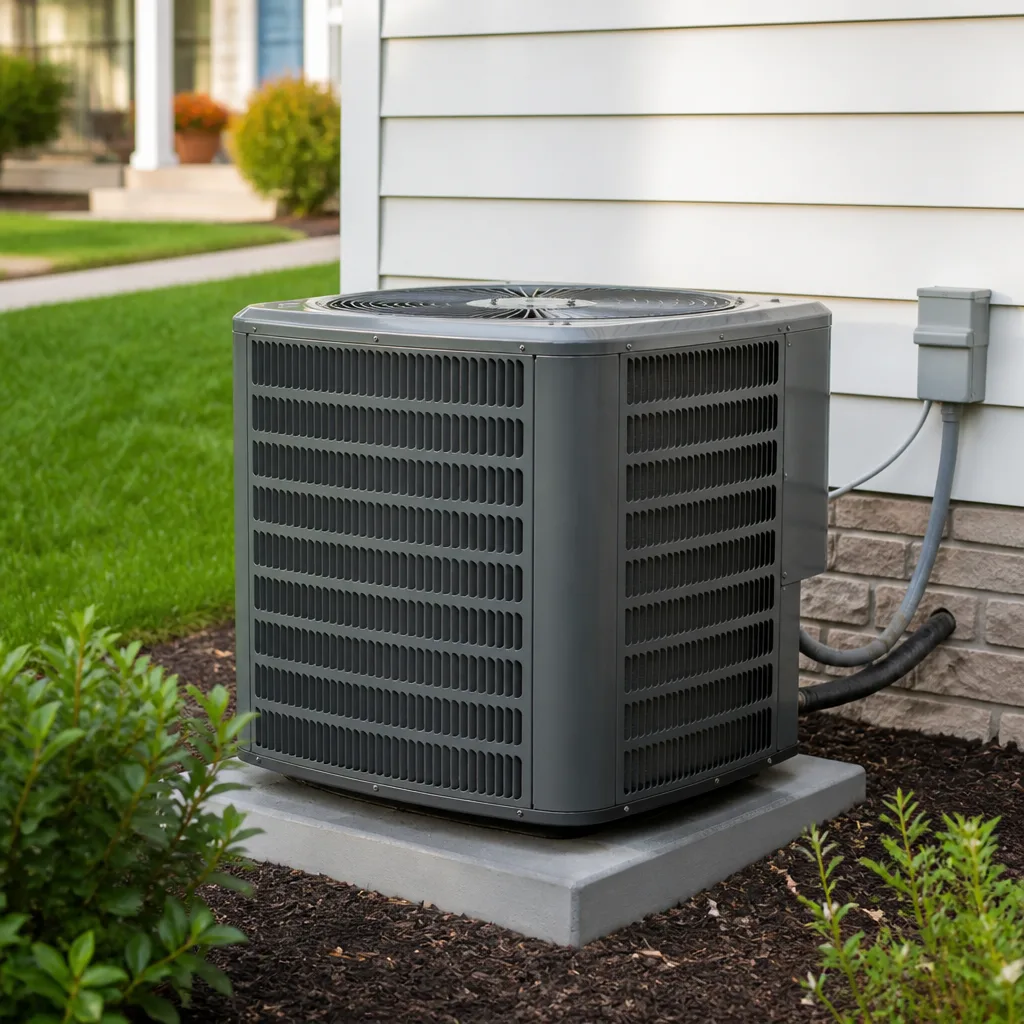 Goodman
Seasonal tune-up and full diagnostic on your Carrier, Trane, or Goodman system - readings shown to you before any repair is proposed
Diagnosis first, numbers second - you approve the repair price before a single part goes in.
Get your free estimateChoosing the Right HVAC Brand: A Buyer’s Guide for Port St. Lucie
The brand that tops national consumer surveys earned that ranking from homeowners spread across every climate in the country. A system built to shine in Phoenix or Minneapolis can carry a corrosion or humidity-control profile that makes it a middling choice in Port St. Lucie, where the air stays heavy and warm for most of the year. Brand matters, but not in the way the brochures suggest. What matters more is whether local technicians know the equipment, whether parts sit on a shelf nearby or a distributor truck three states away, and whether the unit holds up to the humidity that defines a Treasure Coast summer. This guide walks through all of it so you can choose with your eyes open.
Quick Answer
The best HVAC brand in Port St. Lucie is the one with a strong local dealer and parts network, equipment rated for humid climates, and technicians nearby who know how to service it. Carrier, Trane, Lennox, Goodman, Rheem, York, Daikin, Bryant, and American Standard all have a presence here, and for most homeowners the deciding factor is local service access, not a national ranking.
Styles & brands we work with
- AC repair
- Furnace & heating
- Heat pumps
- Ductless mini splits
- Carrier
- Trane
- Goodman
Table of Contents
- Why National Brand Rankings Mislead Port St. Lucie Homeowners
- The Brand That Matters Is the One With a Local Parts Network
- Humidity Control: Why Some Brands Hold a Lower Indoor RH
- Coil Coatings and Corrosion Ratings for a Humid Climate
- The Warranty Transfer Question
- Why a Multi-Brand Contractor’s Advice Is Structurally More Trustworthy
- How to Choose a Brand: A Step-by-Step Approach
- Repair or Replace? How Brand Affects the Decision
Why National Brand Rankings Mislead Port St. Lucie Homeowners
Consumer surveys and magazine rankings aggregate performance across the whole country. That averaging hides the one thing that matters most at your address: how a given piece of equipment behaves in this climate, serviced by people who live here. A brand that scores well on efficiency in a dry, mild region might have a coil design or a control strategy that struggles with the sustained humidity we get in Port St. Lucie from spring through fall.
Rankings also weight things homeowners here rarely care about. A system’s heating performance in sub-zero weather, for example, gets folded into an overall score even though our winters are mild and the heating side of the equation is a secondary concern. Meanwhile the ranking may say nothing about how quickly a replacement part arrives when a compressor or a control board fails in July.
Here’s the practical translation:
- A high national rank is a starting point, not a verdict. It tells you the brand is generally competent, not that it’s the right fit for a humid, warm climate.
- Dealer density changes the ownership experience. A common brand with several local technicians trained on it is easier to keep running than an uncommon brand with one regional distributor.
- Warranty terms vary by brand and by product line. Two units at similar prices can carry very different coverage once you read the fine print.
The homeowners we work with in Port St. Lucie don’t need a brand that wins a national popularity contest. They need equipment that keeps a house comfortable in August and a technician who can diagnose it without ordering a manual from out of state. That’s the lens this guide uses, and it’s the same lens our team at Dayspring AC Repair applies when we talk through options with a homeowner.
The Brand That Matters Is the One With a Local Parts Network
The single most underrated factor in brand choice is what happens after something breaks. A system is only as good as the speed at which it can be brought back online, and speed depends on whether parts are stocked locally or shipped in. In the Treasure Coast market, the brands with established dealer and distributor relationships tend to have faster access to common components, while a less-common brand can mean waiting on a shipment from an out-of-region warehouse.
That delay isn’t abstract. A week-long backorder on a control board or a blower motor means a week without air conditioning in the middle of a Port St. Lucie summer. For anyone with young children, older relatives, or a home office, that’s not a minor inconvenience. It’s a run of uncomfortable, sometimes unsafe days.
Brands such as Rheem, York, Daikin, and Bryant have broad distribution that generally supports faster local parts access. That doesn’t make them automatically better than the others, but it does shape what ownership looks like on the day something fails. Here’s how to think about the parts question:
- Ask who stocks parts locally. Before committing to a brand, ask how quickly common parts like capacitors, contactors, control boards, and motors can be sourced.
- Ask how many area technicians service the brand. More trained technicians means more options when you need service on short notice.
- Ask about the distributor relationship. A brand with a regional distributor nearby tends to have more reliable supply than one that depends on a single national warehouse.
When we service a system, we work on the brand the homeowner already has. That includes Carrier, Trane, Lennox, Goodman, Rheem, York, Daikin, Bryant, and American Standard. Our technicians have up to 9 years of experience, and that breadth means we recognize failure patterns across product lines rather than just the one brand a single-dealer shop pushes. Nine major brands, one call, and a straight answer about what your equipment actually needs.
Humidity Control: Why Some Brands Hold a Lower Indoor RH
Comfort in Port St. Lucie isn’t just about temperature. It’s about humidity, and a system that cools without dehumidifying leaves a house feeling clammy even with the thermostat set low. The brands that handle our summers best are the ones whose equipment can run at lower, longer, steadier speeds so it pulls moisture out of the air rather than blasting cold and shutting off.
This is where variable-speed and multi-stage systems separate themselves from single-stage units. A single-stage compressor runs full-blast and then stops, which cools the air quickly but does a poorer job of removing moisture. A variable-speed system can run at a low, continuous speed that moves air more slowly across the coil, wringing out more humidity and holding a steadier indoor relative humidity at the same thermostat setting.
Why does that matter in practical terms?
- Lower indoor RH feels cooler at the same temperature. A home held at a lower humidity level is more comfortable even when the thermostat reads the same number.
- Less moisture means less strain on the house. Sustained high indoor humidity supports mold growth and makes rooms feel stuffy.
- Steady operation is often gentler on the equipment. Longer, slower run cycles can reduce the on-off wear that short-cycling causes.
Not every brand tunes its variable-speed control strategies the same way, and the difference shows up in real indoor humidity readings, not just on a spec sheet. When you compare systems here, ask specifically how each brand’s variable-speed line manages dehumidification, and don’t assume the fanciest nameplate delivers it. A system that’s properly sized for your home and a brand whose low-speed performance is solid will beat a bigger, flashier unit that’s oversized for the space. Proper sizing starts with a load calculation, which is exactly what a good AC installation should begin with.
Coil Coatings and Corrosion Ratings for a Humid Climate
Humidity accelerates wear on the metal parts of an air conditioning system, particularly the evaporator coil, which stays wet for much of the year. Manufacturers address this in different ways, and one of the most useful things you can compare between brands is how they protect the coil. A factory-applied coil coating is a meaningful long-term durability feature in a climate like ours.
What to look for in the spec sheet:
- Coil coating type. Some manufacturers apply an enhanced coating to the coil fins or the whole coil assembly to resist corrosion. Look for it named explicitly in the product literature.
- Cabinet and fastener materials. A cabinet built with coated steel and corrosion-resistant fasteners holds up better over years of humid operation.
- Drain pan construction. The drain pan sits in constant moisture. A pan made from a material that resists rust and biological growth matters more than most buyers realize.
Brands differ in how much of this protection ships standard versus as an upgrade, so this is where reading carefully pays off. A brand that offers a coated coil as standard on its mid-range line may be a better value here than a brand that charges extra for it. Our technicians have seen which coil designs last and which ones thin out early, and that knowledge comes from working across the full spread of manufacturers rather than just one. If you want a technician to walk through the corrosion features of a specific model with you, that’s the kind of conversation a free estimate for AC repair or a replacement quote should include.
The Warranty Transfer Question
A warranty can add real value at resale, or it can quietly evaporate the moment you sell the house. The difference comes down to whether the brand’s coverage transfers to a new owner and under what conditions. For anyone in Port St. Lucie who might sell within the life of the equipment, this is worth checking before you sign.
Two structures show up most often:
- Original-owner-only coverage. The warranty is tied to the person who bought and registered the system. When the home sells, the remaining coverage does not follow the equipment. Some brands allow a partial transfer within a limited window, but you have to read the terms.
- Transferable coverage. The warranty can be transferred to a subsequent owner, sometimes for a fee and sometimes within a set number of years from installation. This can be a genuine selling point when the home goes on the market.
There’s also the registration requirement. Many manufacturers require the equipment to be registered within a certain window after installation to receive the full warranty term, and an unregistered system may fall back to a shorter default period. That makes the installing contractor’s paperwork part of your coverage. When we install a system, we walk through the registration and warranty transfer terms with the homeowner so there are no surprises down the road.
If you’re comparing two brands at a similar price, warranty terms can be the tiebreaker. Ask three questions: Is it transferable? Is registration required, and who handles it? What voids the coverage? The answers often reveal more about real long-term value than the efficiency rating on the box.
Why a Multi-Brand Contractor’s Advice Is Structurally More Trustworthy
A contractor who sells only one brand can only recommend one brand. That’s not dishonesty so much as arithmetic: their business is built around that manufacturer’s product line, dealer incentives, and volume commitments. When your only tool is a hammer, every problem looks like it needs that hammer. It doesn’t mean their recommendation is wrong, but it means the recommendation is bounded by what they carry.
A multi-brand contractor starts from a different place. Because we service nine major brands, we aren’t steering every homeowner toward a single product. We can compare, in plain terms, what each brand does well and where it falls short, and we can honestly tell you whether a repair or a replacement actually makes financial sense for your situation.
This matters most at the repair-or-replace crossroads:
- A focused single-brand dealer has an incentive to lean toward replacement when a repair would serve you fine, because a new unit is a larger sale.
- A multi-brand service contractor can repair what you have regardless of brand, so the recommendation isn’t shaped by quotas.
- Brand-fluent diagnostics give you a real second opinion. Working across many manufacturers means we recognize a failure pattern from one product line and apply that knowledge when diagnosing another.
For homeowners in Port St. Lucie, that structural difference is the strongest argument for choosing a service contractor over a single-brand showroom. You want the person advising you to have the widest possible view of the market, not the narrowest. Heating and cooling both fall under the same roof with us, so one trusted call handles both sides of your home’s climate system, year-round.
How to Choose a Brand: A Step-by-Step Approach
Pulling all of this together, here’s a practical sequence for choosing a brand in Port St. Lucie. It puts local service access and climate fit ahead of national reputation, which is where they belong.
- Start with a load calculation, not a brand. Before any brand discussion, the contractor should measure your home and calculate the right system size. An oversized or undersized unit will underperform no matter whose name is on it.
- Confirm the brand has strong local parts support. Ask how quickly common components can be sourced and how many area technicians service the equipment.
- Compare humidity performance. If you’re considering a variable-speed or multi-stage system, ask how each brand manages dehumidification and holding a steady indoor humidity level.
- Read the coil and cabinet specs. Look for factory-applied coil coatings and corrosion-resistant construction, and note whether they’re standard or an upgrade.
- Check the warranty in detail. Confirm registration requirements, transferability, and what voids coverage.
- Ask who will service it after the sale. A brand is only as good as the local technician network supporting it. Make sure the people installing it can also maintain and repair it.
When you run through that list, the brand often picks itself. The one that fits your home’s size, has local parts coverage, manages humidity well, and carries a warranty you understand is usually the right answer, whatever the national rankings say. For a broader look at how service in this area works, our Port St. Lucie page lays out the local picture.
Repair or Replace? How Brand Affects the Decision
The repair-or-replace call is one of the most common questions we hear, and brand plays into it more than people expect. A well-supported brand with easily sourced parts can often be repaired economically for years, while an uncommon brand with slow part access and expensive components can tilt the math toward replacement sooner. The age and condition of the system matter, of course, but so does the practical reality of keeping it running.
Some rules of thumb we share with homeowners:
- Frequent, expensive failures point toward replacement. Repeated breakdowns on a system that’s already near the end of its expected life usually mean money is better spent on new equipment.
- A single repair on an otherwise healthy system usually favors repair. One failed part on a younger system is typically a straightforward fix.
- Parts availability matters. If a needed part is on a long backorder, the cost of waiting, in comfort and in urgency, may tip the decision.
- Efficiency gains are real but secondary. A newer system can cut energy use, but the comfort and reliability gains are usually what homeowners notice most.
We can advise either way without a quota pushing the decision. If a fix makes sense, we’ll say so. If replacement is the smarter move, we’ll walk you through it. That’s the whole point of repairing and installing under one company.
Common Mistakes to Avoid
- Choosing a brand by national ranking alone. A top-ranked brand can still be a poor fit for our humidity if its local support is thin. Weigh local parts access and climate performance alongside any survey score.
- Skipping the load calculation. An oversized system short-cycles and dehumidifies poorly, and it’s a common source of comfort complaints in Port St. Lucie homes. Insist on a proper sizing calculation before installation.
- Ignoring coil coatings in this climate. The coil stays wet through much of the year here. A factory-applied coating and corrosion-resistant cabinet are worth comparing closely between models.
- Assuming the warranty transfers. Many brands tie full coverage to the original owner. If you might sell, confirm the transfer terms before you buy, not after.
- Letting a single-brand dealer make the call unchallenged. A contractor who only sells one brand can only recommend that brand. A multi-brand perspective gives you a real comparison.
- Overlooking who services it later. The best brand in the world is frustrating if the nearest trained technician is far away or the local parts network is thin.
- Confusing high efficiency with high comfort. An efficiency rating tells you about energy use, not how well a system holds a comfortable, dry indoor environment in August. Compare both.
See the difference
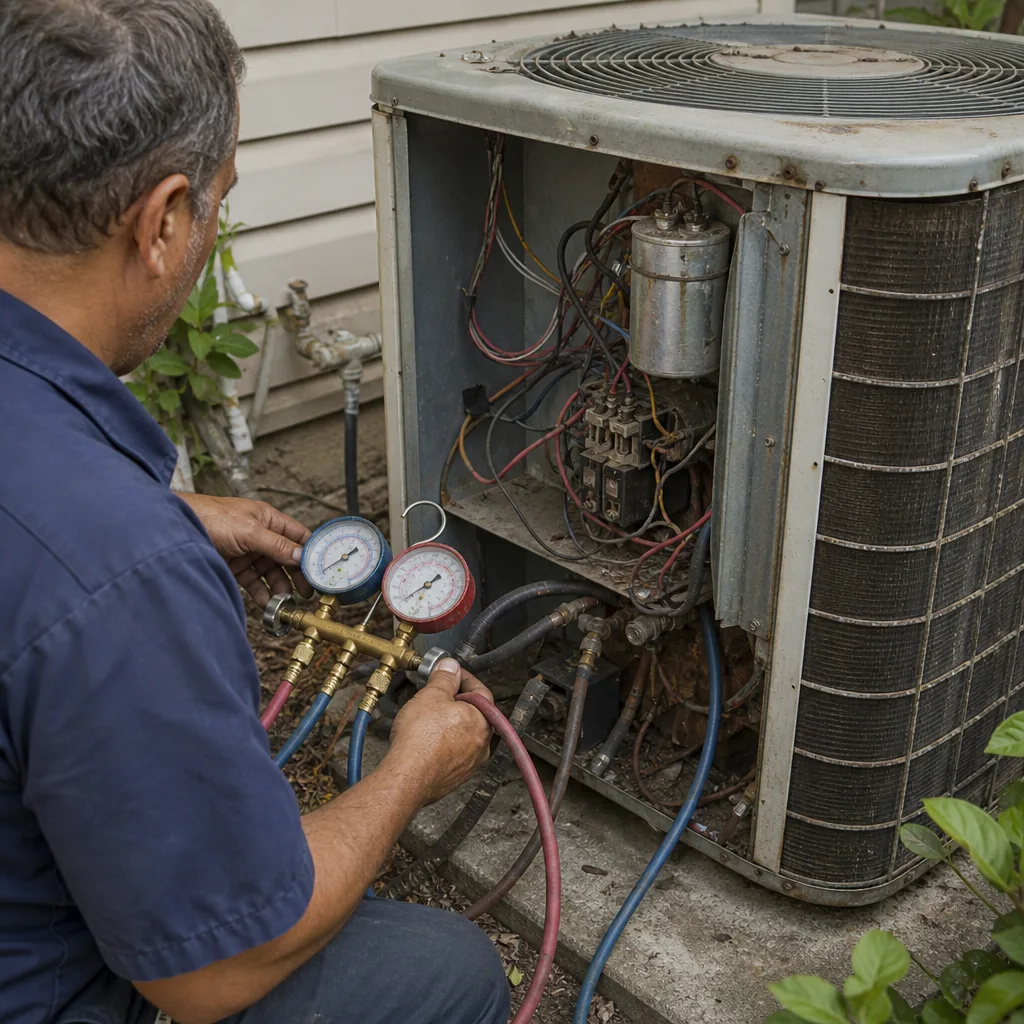 Before
 After
 Before
 After
 Before
 After
When to Call a Professional
Some HVAC decisions need a trained eye on-site: a system that’s not keeping up with the heat, a humidity level that stays high even with the thermostat low, an aging unit whose repair-versus-replace math isn’t obvious, or a brand comparison where you want a straight read on local parts support. Humidity imbalance and repeated breakdowns are signals to have the equipment inspected rather than guess. If you’re weighing a replacement, a proper load calculation and a written estimate are the right starting points. Dayspring AC Repair offers free estimates in Port St. Lucie – call (833) 659-7543.
Frequently Asked Questions
There’s no single best brand for everyone, but the strongest choice here is a brand with a solid local parts and dealer network, equipment that manages humidity well, and factory coil coatings suited to a warm, humid climate. Carrier, Trane, Lennox, Goodman, Rheem, York, Daikin, Bryant, and American Standard all have a local presence, so the deciding factor is usually local service access and climate fit rather than a national ranking. Call (833) 659-7543 for an exact quote, because estimates are free.
We service nine major brands: Carrier, Trane, Lennox, Goodman, Rheem, York, Daikin, Bryant, and American Standard. Our technicians have up to 9 years of experience, and that breadth means we recognize failure patterns across product lines, so we’re never telling you your system is out of scope because it isn’t the brand we carry.
Yes, the brand and model matter for humidity control, especially with variable-speed and multi-stage systems. Some manufacturers tune their low-speed operation to pull more moisture from the air, which holds a lower indoor relative humidity at the same thermostat setting and keeps a Port St. Lucie home feeling drier and more comfortable in summer. When comparing systems, ask specifically how each handles dehumidification.
It depends on the brand and the product line. Some manufacturers offer transferable coverage, often within a set number of years and sometimes for a fee, while others limit full coverage to the original owner. Registration is often required to keep the full term, so the paperwork handled at installation matters. Confirm the transfer terms for the specific brand you’re considering before you buy.
It depends on the system’s age, the cost of the repair, and how often it’s failing. A single repair on an otherwise healthy unit usually favors repair, while repeated, costly failures on an older system often tilt toward replacement. Because we both repair and install, we can advise either way without a sales quota. Call (833) 659-7543 for a free estimate and a straight answer.
Reliability varies more by model and by installation quality than by brand name alone. A perfectly sized, well-installed system from a well-supported brand will generally outperform a poorly sized premium unit. Local parts access also shapes the real-world experience, since a fast-sourced part keeps you comfortable when a less-supported brand leaves you waiting.
The Bottom Line
Choosing an HVAC brand in Port St. Lucie comes down to four things: local service and parts access, humidity performance, corrosion protection on the coil, and warranty terms that hold up at resale. National rankings are a starting point, not the answer, because they average across climates that look nothing like ours. The best brand for your home is the one a trained technician nearby can size correctly, install well, and keep running through a long, humid summer. Nine major brands, one call, and honest advice either way. That’s how we work, and that’s what keeps a Port St. Lucie home back to comfortable.
Ready to sort out which brand and system fit your home? Call (833) 659-7543 for a free estimate. We answer 24/7. Fast dispatch from 7am to 7pm, Sunday through Friday.
Written by the team at Dayspring AC Repair.