
Last updated November 15, 2026
 AC repair
 Furnace & heating
 Heat pumps
 Ductless mini splits
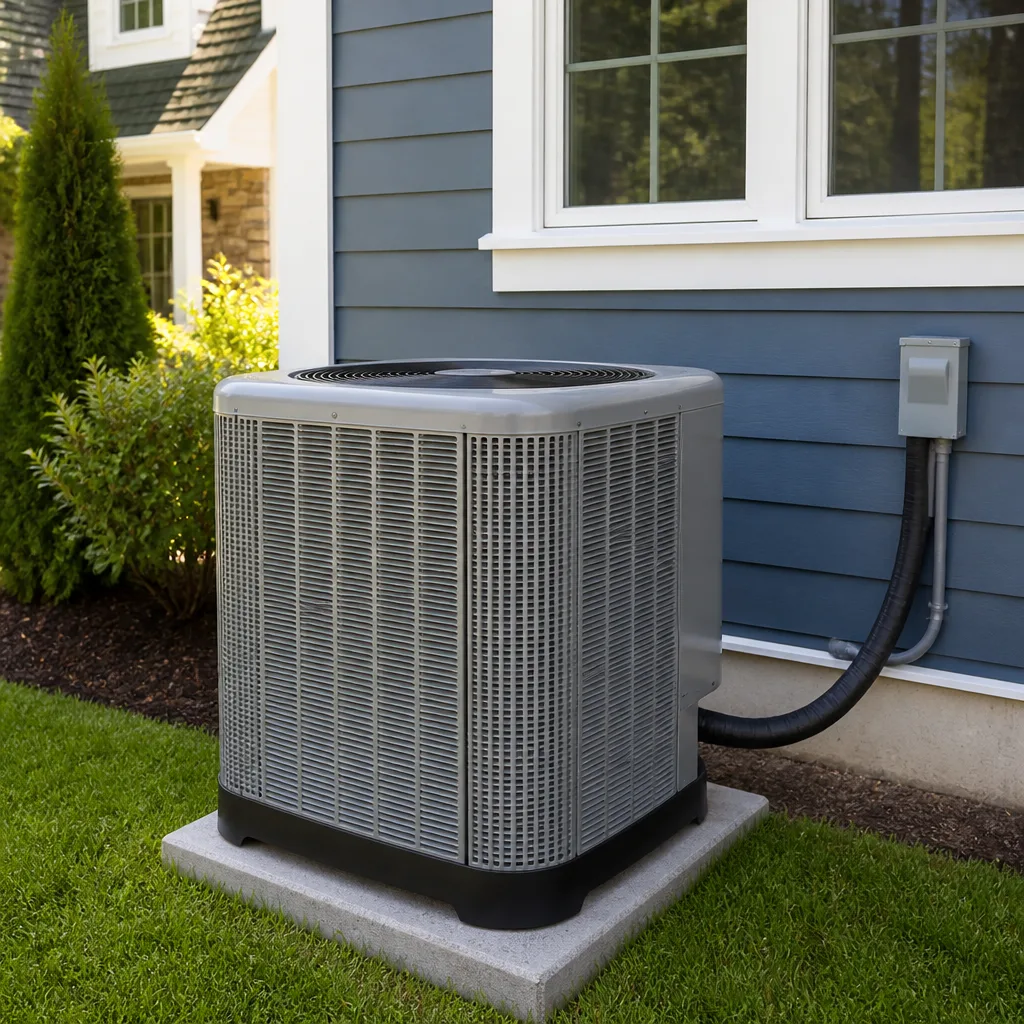 Carrier
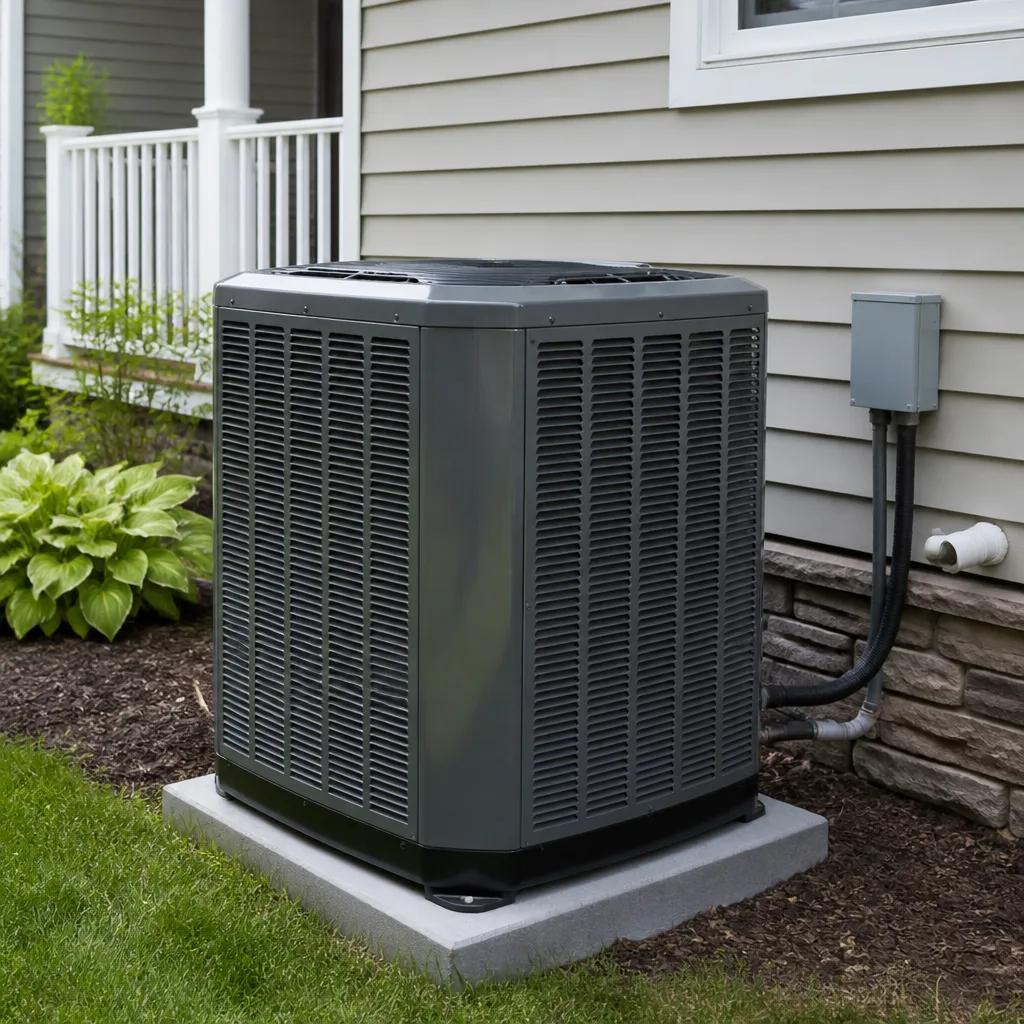 Trane
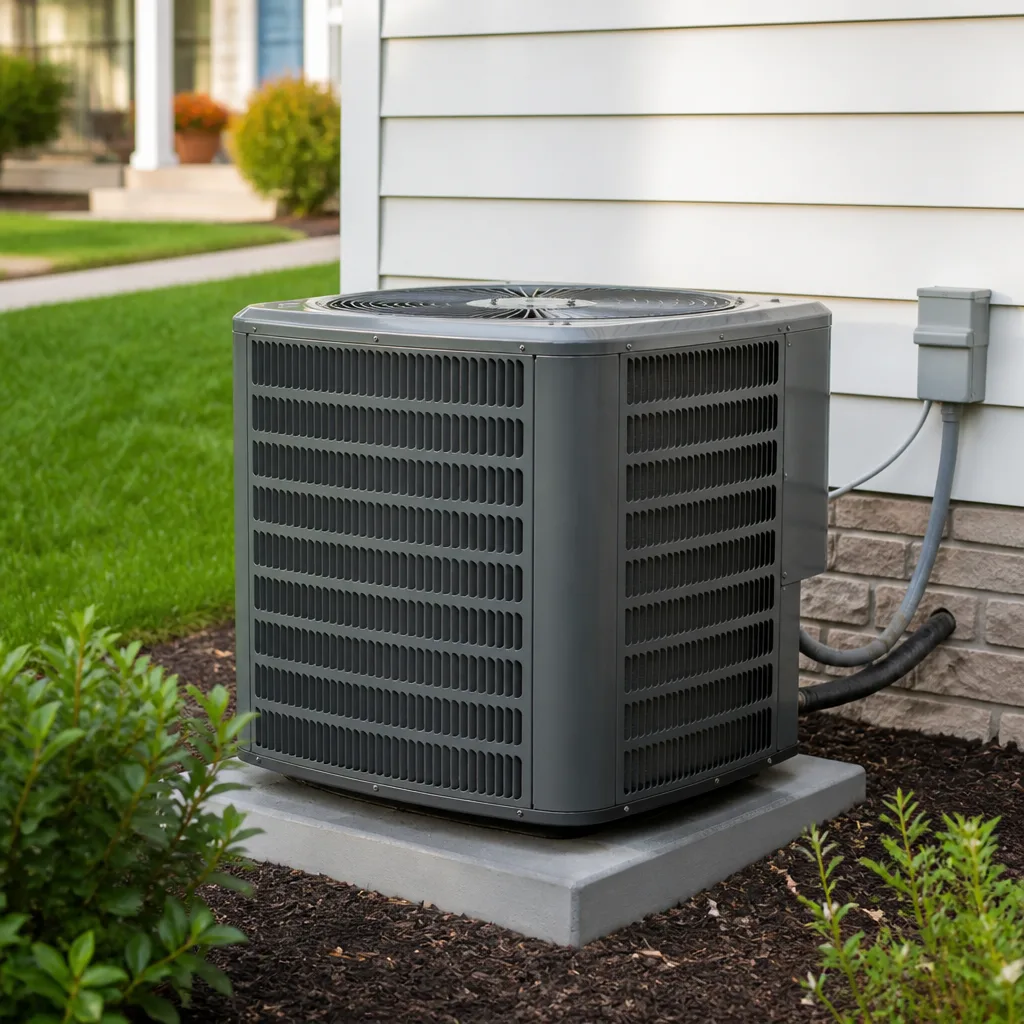 Goodman
Seasonal tune-up and full diagnostic on your Carrier, Trane, or Goodman system - readings shown to you before any repair is proposed
Diagnosis first, numbers second - you approve the repair price before a single part goes in.
Get your free estimateThe Complete AC Repair Guide for Port St. Lucie Homeowners
Most AC repair advice you’ll find online was written for a house that runs its air conditioner four months a year. Port St. Lucie doesn’t work that way. Here, cooling season runs long, humidity stays high, and the equipment in your attic or closet rarely gets a real break. That changes which parts fail, when they fail, and whether a repair is money well spent or money thrown at a system that’s already near the end. This guide walks the whole repair lifecycle in Port St. Lucie: what breaks first, what a technician should check before quoting you, how to read a repair estimate without feeling lost, and how to know whether a fix buys you two more years or eight.
Quick Answer
AC repair in Port St. Lucie usually means fixing one of a handful of wear items: a failed capacitor or contactor, a clogged drain line, a refrigerant leak, a bad blower motor, or a compressor that’s finally given out. The right decision depends less on the symptom than on the system’s age, its refrigerant type, and the condition of the compressor. A good technician diagnoses all three before quoting any repair, and gives you an honest repair-or-replace call rather than pushing whichever one pays better.
Styles & brands we work with
- AC repair
- Furnace & heating
- Heat pumps
- Ductless mini splits
- Carrier
- Trane
- Goodman
Table of Contents
- Why AC Equipment in Port St. Lucie Wears Differently
- The Parts That Fail First in Port St. Lucie Homes
- What a Technician Should Inspect Before Quoting a Repair
- Two Years or Eight? How to Read the Repair-vs-Replace Math
- Why the Repair-or-Replace Math Works Differently in Florida
- How to Read an AC Repair Estimate Without Feeling Lost
- The Repair Lifecycle, Step by Step
- What Actually Prevents Breakdowns Here
Why AC Equipment in Port St. Lucie Wears Differently
An air conditioner doesn’t age by the calendar. It ages by operating hours. In a cooler climate, a system might log 800 to 1,000 hours of runtime a year and coast through mild springs and falls. In Port St. Lucie, the cooling season stretches across most of the year, and the system is expected to hold a house at a comfortable temperature through humid afternoons that start in early spring and linger into late fall. That’s a lot more spinning compressor time, a lot more condensate running through the drain line, and a lot more heat cycling through the electrical components.
What that means in plain terms: a five-year-old system in Port St. Lucie can be closer to the end of a wear item’s life than a ten-year-old system somewhere cooler. Capacitors, contactors, and fan motors all have a finite number of cycles in them. When the system runs year-round, those cycles add up fast.
There’s a second factor unique to this area: humidity. A Port St. Lucie AC does two jobs at once. It cools the air, and it pulls moisture out of it. That moisture has to go somewhere, which is why the condensate drain and drain pan matter so much here. A drain line that’s slow to clog in a dry climate can back up quickly in a humid one, and a backed-up drain can shut the system down or, worse, drip into the ceiling below.
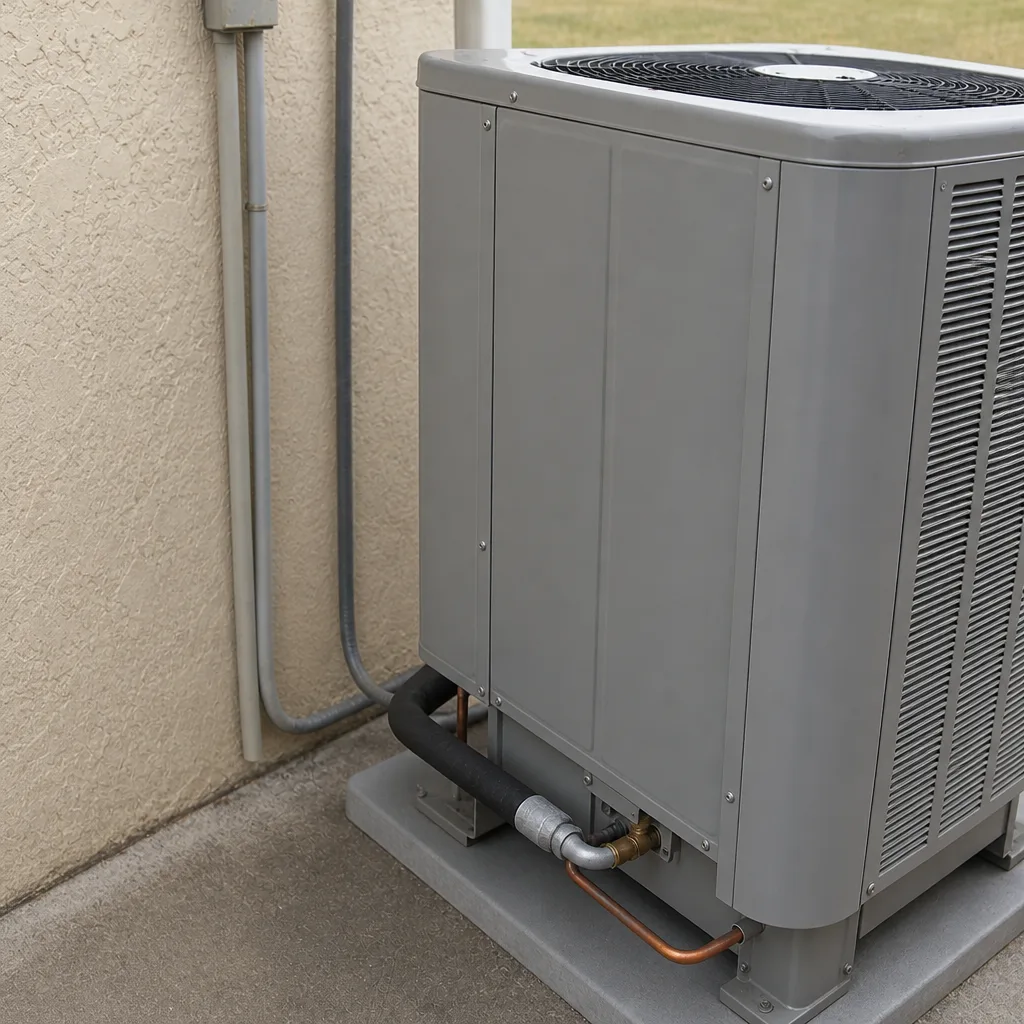
Finally, the sandy soil and the way homes here are built affect airflow and equipment placement. Condensers sit outside in the heat, often against a wall or fence, and if the coil can’t breathe, the system works harder and runs longer. All of this is why we tell Port St. Lucie homeowners to think about their AC in operating hours, not birthdays.
If you want the full local picture, our Port St. Lucie service page covers how we approach equipment in this market.
The Parts That Fail First in Port St. Lucie Homes
After enough repair calls in this climate, the same parts come up again and again. Knowing them by name helps you read a quote without feeling like you’re being handed a foreign language.
- Run and start capacitors. These store and release the jolt of energy that gets the compressor and fan motor turning. They’re cheap parts that fail often, and a bulging or leaking capacitor is one of the most common reasons a system hums but won’t start. In a Port St. Lucie summer, capacitors take a beating from heat.
- Contactors. The contactor is the electrical switch that closes to send power to the outdoor unit. Its points pit and burn over time, and when they do, the unit can chatter, short-cycle, or refuse to come on. Pitted contactors are common on systems that run long hours.
- Condensate drain lines and pans. Humidity means lots of water. Algae and debris build up in the drain, and a clogged line trips the float switch or overflows the pan. This is one of the most preventable failures in the area.
- Blower motors. The indoor blower pushes air through your ducts. It runs every time the system does, so its bearings wear. A failing blower often shows up as weak airflow and rooms that never quite get cool.
- Evaporator and condenser coils. Coils transfer heat, and when they’re dirty or damaged, the system loses capacity. Coil cleaning is part of keeping a Port St. Lucie system efficient.
- Refrigerant leaks. Small leaks at joints, valves, or the coil can slowly starve a system of charge. A system that’s low on refrigerant is a system working too hard for too little cooling.
- The compressor. The heart of the system, and the most expensive single part. When a compressor fails, the repair-or-replace conversation gets serious.
None of these parts care what brand name is on the door. We work on Carrier, Trane, Lennox, Goodman, Rheem, York, Daikin, Bryant, and American Standard equipment, and we see the same failure patterns across all of them. That brand-agnostic view is useful, because it means we can tell you what actually failed rather than what a single-manufacturer shop is set up to sell.
What a Technician Should Inspect Before Quoting a Repair
Here’s a rule worth remembering: nobody should quote you a repair before they’ve looked at the whole system. A symptom like “it’s not cooling” can have half a dozen causes, and a technician who jumps straight to a price without a proper inspection is guessing.
Before quoting any repair, a technician should walk through a sequence like this:
- Confirm the complaint and check the thermostat settings and batteries. Sounds basic, but a surprising number of “failures” are a thermostat in the wrong mode or a dead battery.
- Check airflow. Inspect the filter, the return, and the blower. Restricted airflow mimics refrigerant problems and overheats equipment.
- Test electrical components. Capacitors, contactors, and the disconnect get tested, not just eyeballed. A multimeter tells the truth a visual check can’t.
- Measure refrigerant pressures and temperatures. This is how you tell a charge problem from an airflow problem from a compressor problem.
- Inspect the condensate drain and pan. Especially in Port St. Lucie, where water is a constant. Check for clogs and confirm the float switch works.
- Look at the coils. Both the indoor evaporator and outdoor condenser. Dirty coils cause symptoms that look like failures.
- Assess the compressor and the system as a whole. Age, refrigerant type, and compressor condition should factor into the recommendation, not just the immediate fault.
Red flags to watch for: a technician who quotes a price before opening the unit, who can’t explain in plain language what failed and why, who recommends a full replacement on the first visit without walking you through the numbers, or who won’t tell you the system’s age and refrigerant type. Any of those is a reason to get a second opinion.
Two Years or Eight? How to Read the Repair-vs-Replace Math
Not all repairs are equal. Some fixes buy you a couple of years. Others are a genuine reset that can carry a system for many more. The difference comes down to three things: system age, refrigerant type, and compressor condition.
System age. A repair on a system that’s still in the first half of its expected life is usually straightforward. As the system gets older, each repair is more of a judgment call, because the next failure may be right behind this one.
Refrigerant type. This one matters more than most homeowners realize. Older systems often use a refrigerant that’s being phased down, which can make topping off a leaking system more expensive over time. A system on the newer refrigerant standard is easier and cheaper to keep running. If a leak keeps coming back on an older refrigerant, the math starts to change.
Compressor condition. The compressor is the expensive part. If everything else is healthy and the compressor is fine, most repairs are worth doing. If the compressor itself is failing, you’re looking at the single biggest repair on the system, and replacement usually deserves a hard look.
A rough way to think about it:
- Younger system, cheap part, healthy compressor: repair. It buys years.
- Mid-life system, moderate repair, healthy compressor: repair, with eyes open about the next few years.
- Older system, recurring leaks on a phased-down refrigerant: weigh replacement seriously.
- Any age, failed compressor on an older system: replacement is usually the better long-term call.
The honest answer is that the “two years or eight” question can’t be answered by a price tag alone. It needs the full inspection above.
Why the Repair-or-Replace Math Works Differently in Florida
In a northern state, an air conditioner gets a long winter nap. That downtime stretches a system’s calendar life, which is why you’ll hear “a good AC lasts 15 years” thrown around. In Port St. Lucie, the system doesn’t get that nap. It runs through the cooling season and then keeps running through the shoulder months. That year-round runtime means one calendar year here is closer to several years of use somewhere cooler.
The practical effect: a repair that extends the life of a Port St. Lucie system by two years is worth more in operating hours than the same repair in a colder climate. And the moment when repair stops making sense arrives earlier in calendar terms. A homeowner here shouldn’t be surprised when a system that’s still “young” by national averages needs a real decision, because it’s been worked hard.
There’s a flip side, too. Because the system runs so much, maintenance pays off more here. A clean coil and a clear drain line do more good in a climate with a long cooling season than they would in a house that only runs the AC a few months.
And because we handle both AC repair and AC installation, we can give you an honest answer either way. We’re not a repair shop that loses money if you replace, and we’re not an installer that profits from a premature swap. When a repair will do, we say so.
How to Read an AC Repair Estimate Without Feeling Lost
A good estimate is a short, plain-language document, not a wall of jargon. You should be able to read it and understand exactly what’s being fixed, why, and what it costs. Here’s what to look for.
- The diagnosis in plain words. “Failed run capacitor causing compressor not to start” is good. A part number with no explanation is not.
- The part and the labor separated, or clearly bundled. Either format is fine, as long as you can tell what you’re paying for.
- System age and refrigerant type noted. This shows the technician actually assessed the system, not just the symptom.
- A clear yes/no answer on whether the repair makes sense. If a technician thinks the repair is throwing good money after bad, they should say so and explain why.
- No pressure to decide on the spot. A fair estimate stands on its own. You shouldn’t feel rushed into a signature.
If a quote is missing those elements, ask for them. A technician who’s confident in the diagnosis will happily explain it. One who can’t is a reason to walk away.
This is also where working across nine major brands helps. Because we’re fluent in Carrier, Trane, Lennox, Goodman, Rheem, York, Daikin, Bryant, and American Standard equipment, we recognize the failure pattern on your specific system rather than treating every brand like a mystery. That makes the estimate more accurate and the explanation clearer. A York system and an American Standard system can fail in similar ways, but the parts and the specifics differ.
The Repair Lifecycle, Step by Step
Every repair follows the same general arc. Knowing the steps takes some of the mystery out of the process.
- You notice a symptom. Weak cooling, strange noises, short cycling, or a system that won’t turn on. Note when it started and whether anything changed.
- You call and describe what’s happening. Specifics help: how long it’s been going on, whether it’s the whole house or one room, and any sounds or smells.
- A technician inspects the system. This is the full walkthrough from the earlier section, not a quick look at the thermostat.
- You get a diagnosis and an estimate. Plain language, the part and labor, and an honest repair-or-replace call.
- The repair gets done. Many common fixes, like capacitors and contactors, are quick. Refrigerant work and compressor issues take longer.
- You get a clear explanation of what was fixed and what to watch. A good technician tells you what to keep an eye on going forward.
For most common failures in Port St. Lucie, same-day service is realistic. Call (833) 659-7543. We answer 24/7. Fast dispatch from 7am to 7pm, Sunday through Friday. A call outside dispatch hours is booked into the next opening, Sunday through Friday, 7am to 7pm.
What Actually Prevents Breakdowns Here
The best repair is the one you never needed. In a climate with a long cooling season, a few habits go a long way.
- Change the filter on schedule. In heavy runtime, filters load up faster. A clogged filter strains the blower and the whole system.
- Keep the condensate drain clear. In humid Port St. Lucie, the drain is a frequent failure point. Clear it before it clogs.
- Keep the outdoor unit breathing. Clear vegetation and debris away from the condenser so it can shed heat.
- Get a seasonal checkup. A technician can catch a failing capacitor or a pitted contactor before it leaves you without cooling.
- Watch for warning signs. Weak airflow, odd noises, and short cycling are early signals. Deal with them before they become a no-cool emergency.
Our technicians have up to 9 years of experience, and the patterns they’ve seen across brands and systems are part of what makes a maintenance visit useful. We’re not paid on what we sell, so a checkup finds what’s there and reports it straight.
Common Mistakes to Avoid
- Assuming a system that won’t cool needs a new one. A failed capacitor or a clogged drain can mimic a much bigger problem. Get a diagnosis before you start pricing replacements.
- Paying for a quote before anyone has looked at the system. A fair estimate is based on an inspection, not a phone description.
- Ignoring the drain line in humid weather. A clogged drain can shut a system down or cause water damage. It’s one of the most preventable failures in Port St. Lucie.
- Choosing a repair without knowing the refrigerant type. Older refrigerants being phased down can change whether a leak repair is worth it.
- Letting one brand choice limit your options. A single-manufacturer shop will steer you toward what it sells. Ask whether the technician works on the brand you already have.
- Skipping the filter. A dirty filter is the cheapest way to shorten a system’s life and the easiest thing to fix.
- Waiting for a full failure. Warning signs like weak cooling and short cycling are cheaper to fix than a no-cool emergency in the middle of a hot stretch.
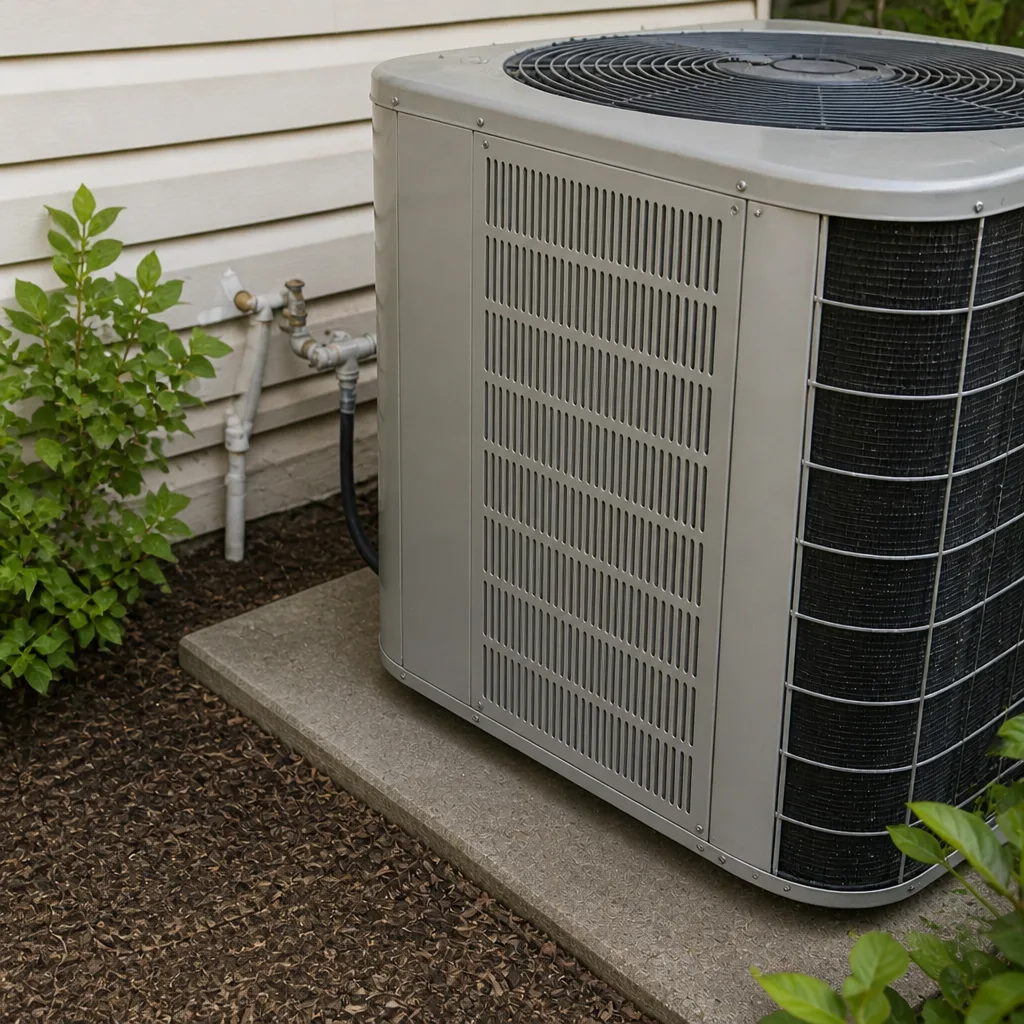
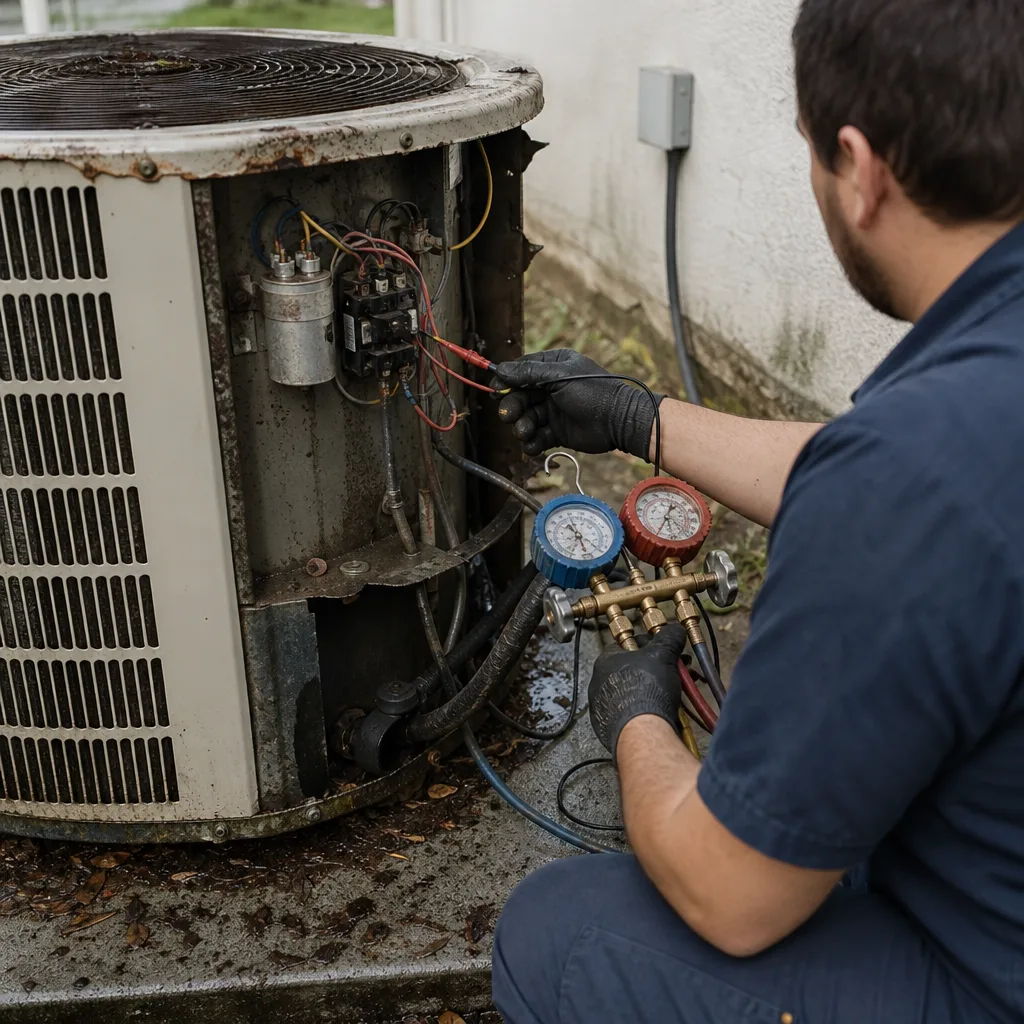
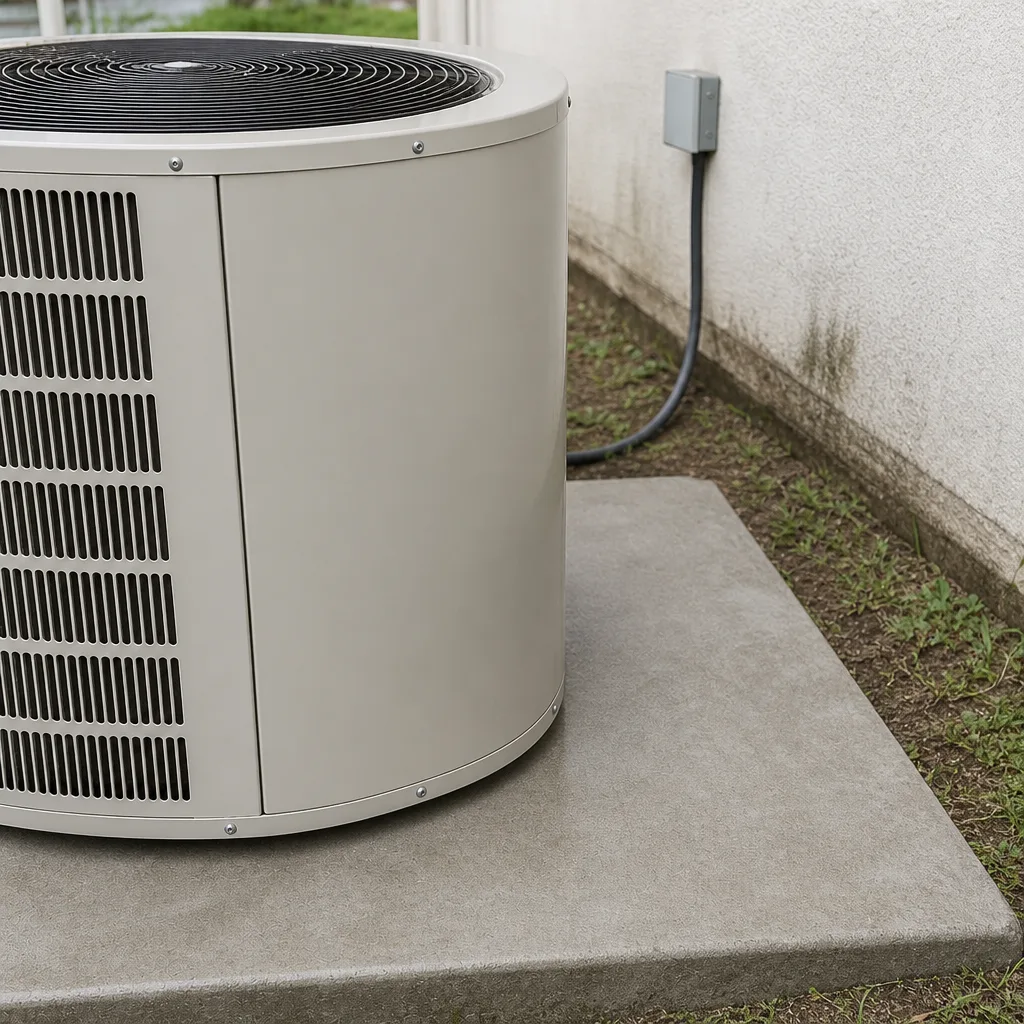
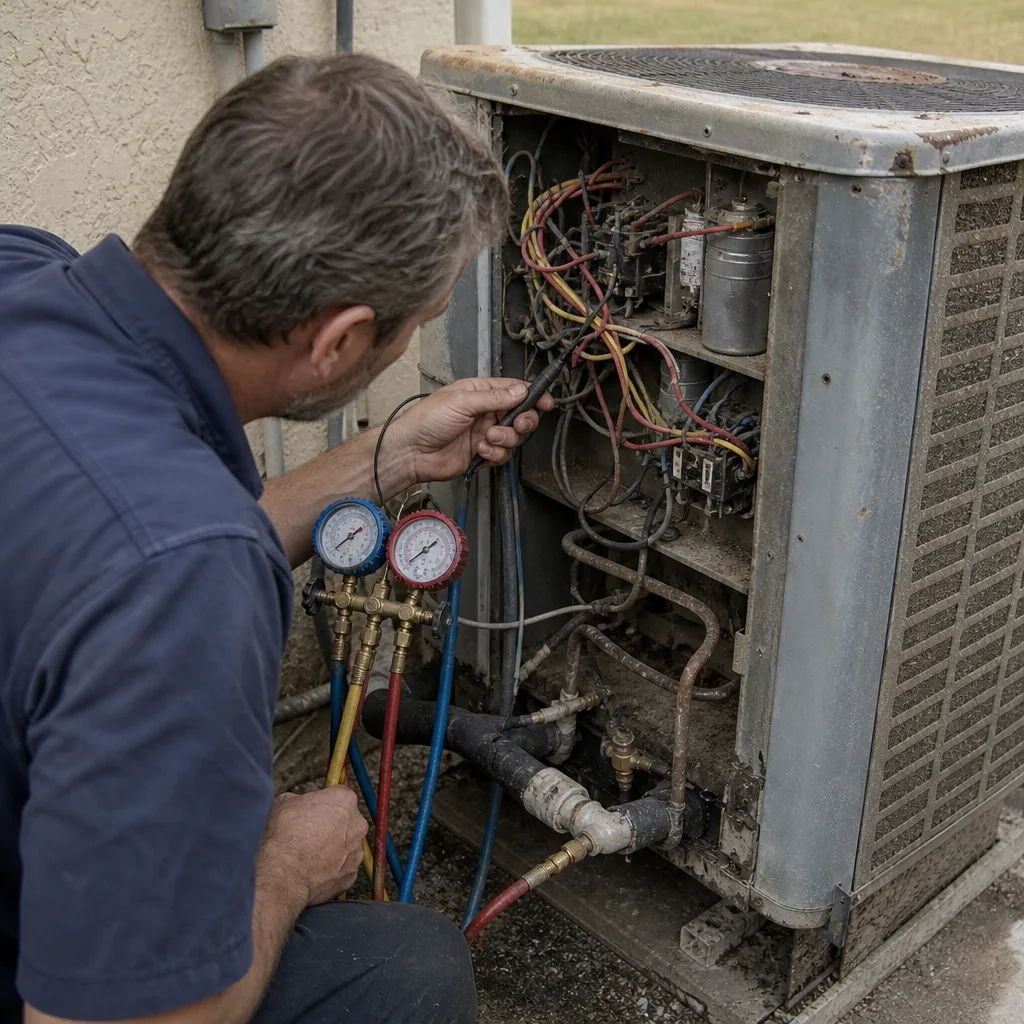
See the difference
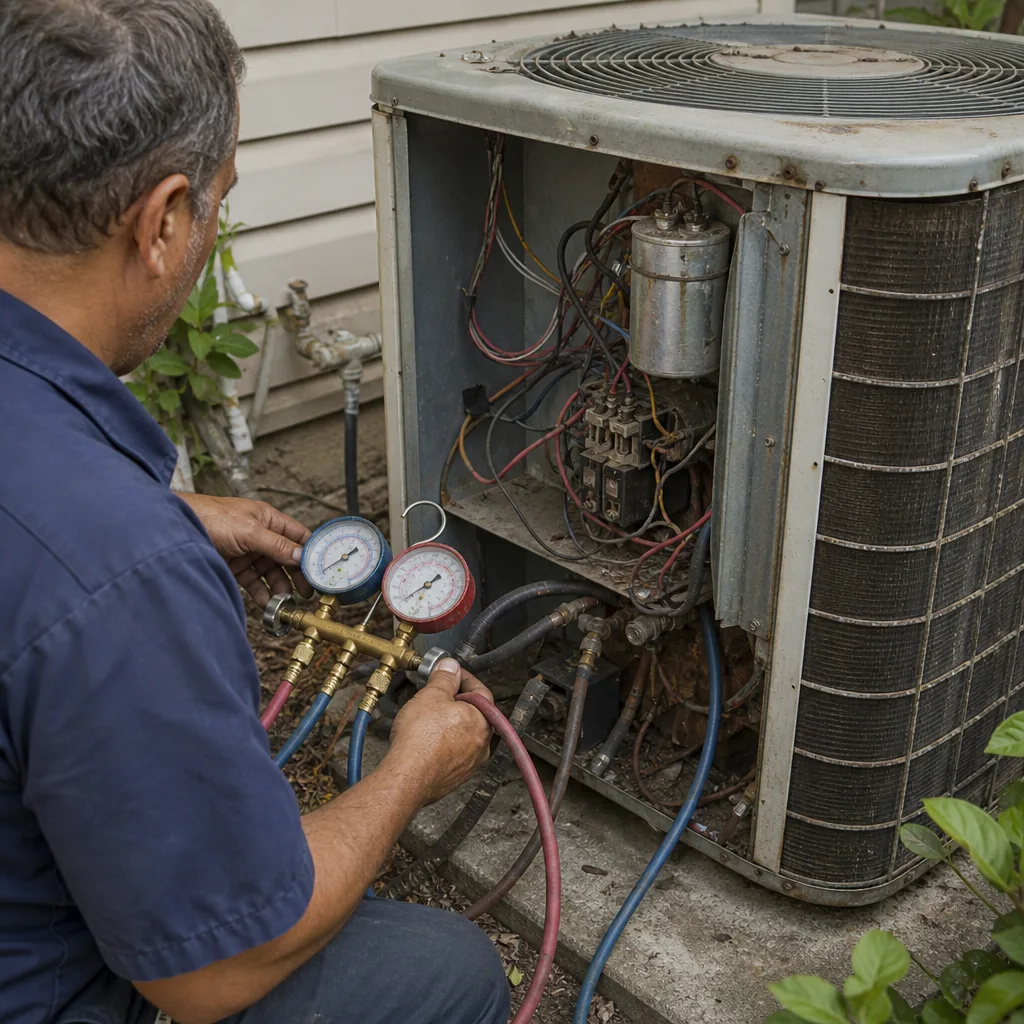 Before
 After
 Before
 After
 Before
 After
When to Call a Professional
Some things aren’t a homeowner fix, and refrigerant work and electrical components are the big ones. Refrigerant handling requires training and the right tools, and electrical components carry real shock risk. If you’re seeing a system that won’t start, repeated tripped breakers, ice on the indoor coil, or water around the indoor unit, call a professional rather than opening anything up yourself. In Port St. Lucie, where the cooling season runs long, a system down in the heat isn’t something to sit on. Our team at Dayspring AC Repair offers free estimates in Port St. Lucie – call (833) 659-7543. We answer 24/7. Fast dispatch from 7am to 7pm, Sunday through Friday.
Frequently Asked Questions
Cost depends on the part and the labor involved, and a written estimate sets the final price. Common fixes like capacitors and contactors are at the lower end, while refrigerant work and compressor issues cost more. The estimate is free and based on an actual inspection, not a guess over the phone. Call (833) 659-7543 for an exact quote – estimates are free.
We service nine major brands, including York, Daikin, Bryant, and American Standard, so you don’t need to hunt for a brand-specific shop. That matters because a generic guide won’t tell you what’s actually failing on your system. Call (833) 659-7543 to book an inspection.
It depends on system age, refrigerant type, and compressor condition. A younger system with a healthy compressor and a cheap failed part is usually a repair. An older system with recurring leaks on a phased-down refrigerant, or a failed compressor, often points toward replacement. We’ll tell you which one actually makes sense. Call (833) 659-7543 for a free estimate.
Humidity. A system that’s pulling moisture out of the air all year produces a lot of condensate, and that line clogs faster than in a dry climate. Regular clearing prevents the backup, and a technician can confirm the float switch is working. Call (833) 659-7543 if you’re seeing water or a system that won’t stay on.
For most common failures, same-day service is realistic. Call (833) 659-7543. We answer 24/7. Fast dispatch from 7am to 7pm, Sunday through Friday. A call outside dispatch hours is booked into the next opening, Sunday through Friday, 7am to 7pm.
Not automatically. In Port St. Lucie, systems age by operating hours more than calendar years, so the better question is how much life is left in the compressor and whether the refrigerant type still makes sense to repair. An inspection answers that. Call (833) 659-7543 for a free estimate.
The Bottom Line
AC repair in Port St. Lucie is a decision, not just a transaction. Your system runs more hours than most, so parts wear faster, drains clog sooner, and the repair-or-replace line arrives earlier than the national averages suggest. The good news is that a proper inspection, a plain-language estimate, and an honest read on whether a repair buys two years or eight will get you to the right call every time. Work with a technician who knows your brand, explains what failed, and tells you the truth about repair versus replacement. That’s the whole guide in a sentence.
When you’re ready, call (833) 659-7543 for a free estimate. We answer 24/7. Fast dispatch from 7am to 7pm, Sunday through Friday.
Written by the team at Dayspring AC Repair.