
Last updated November 15, 2026
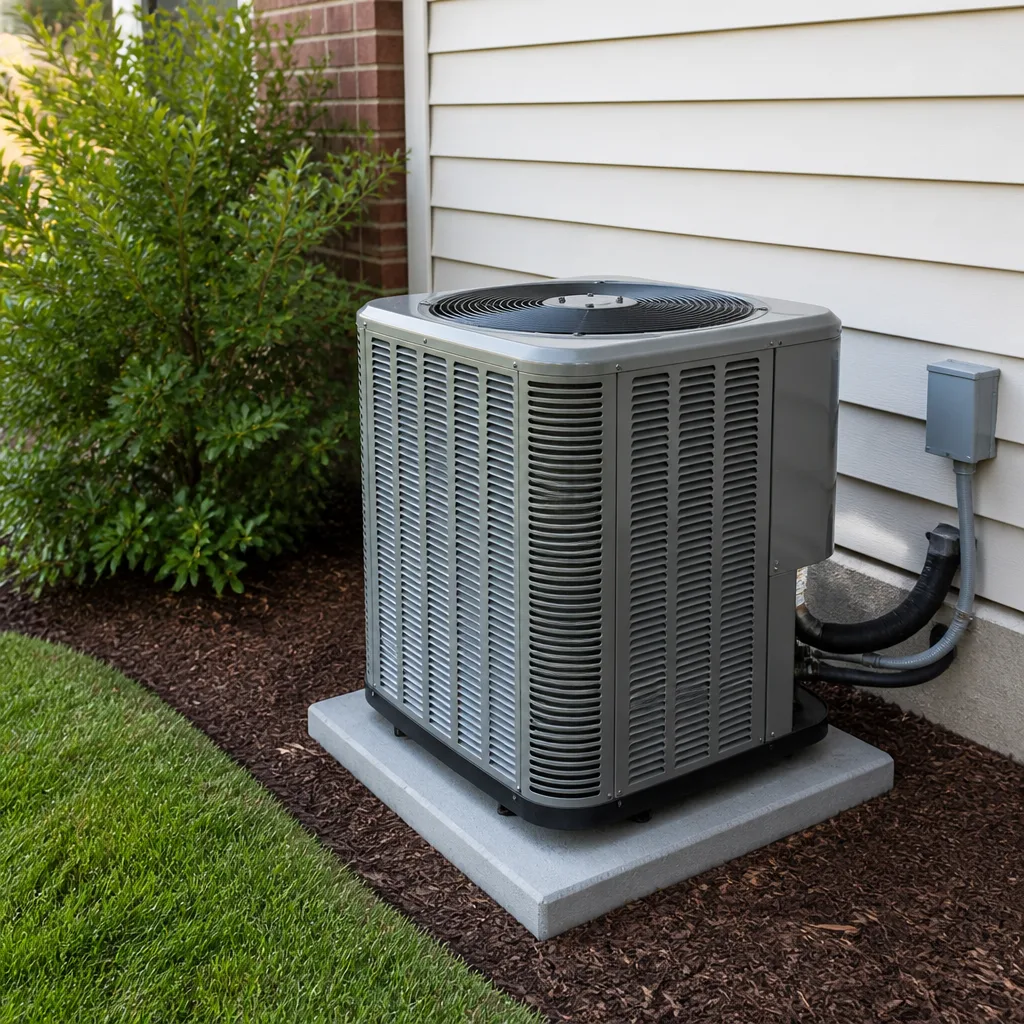 AC repair
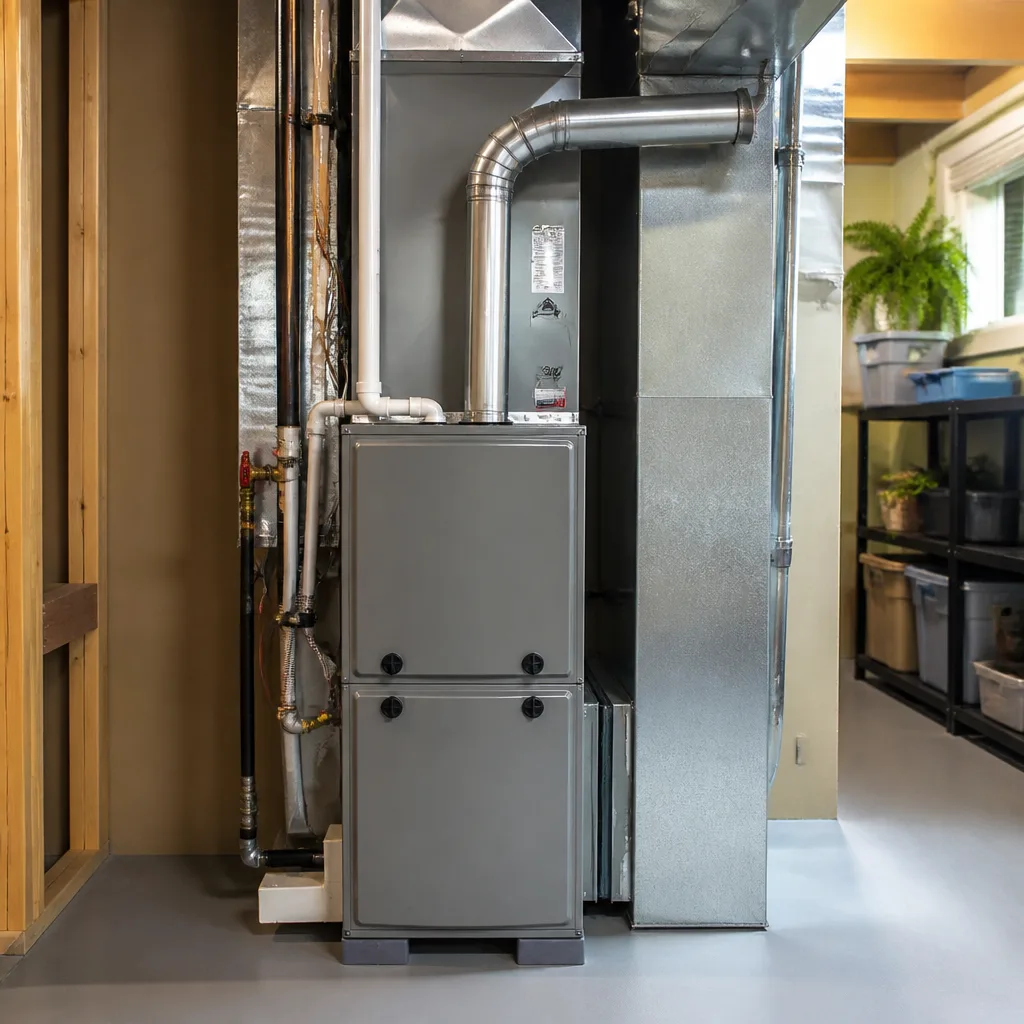 Furnace & heating
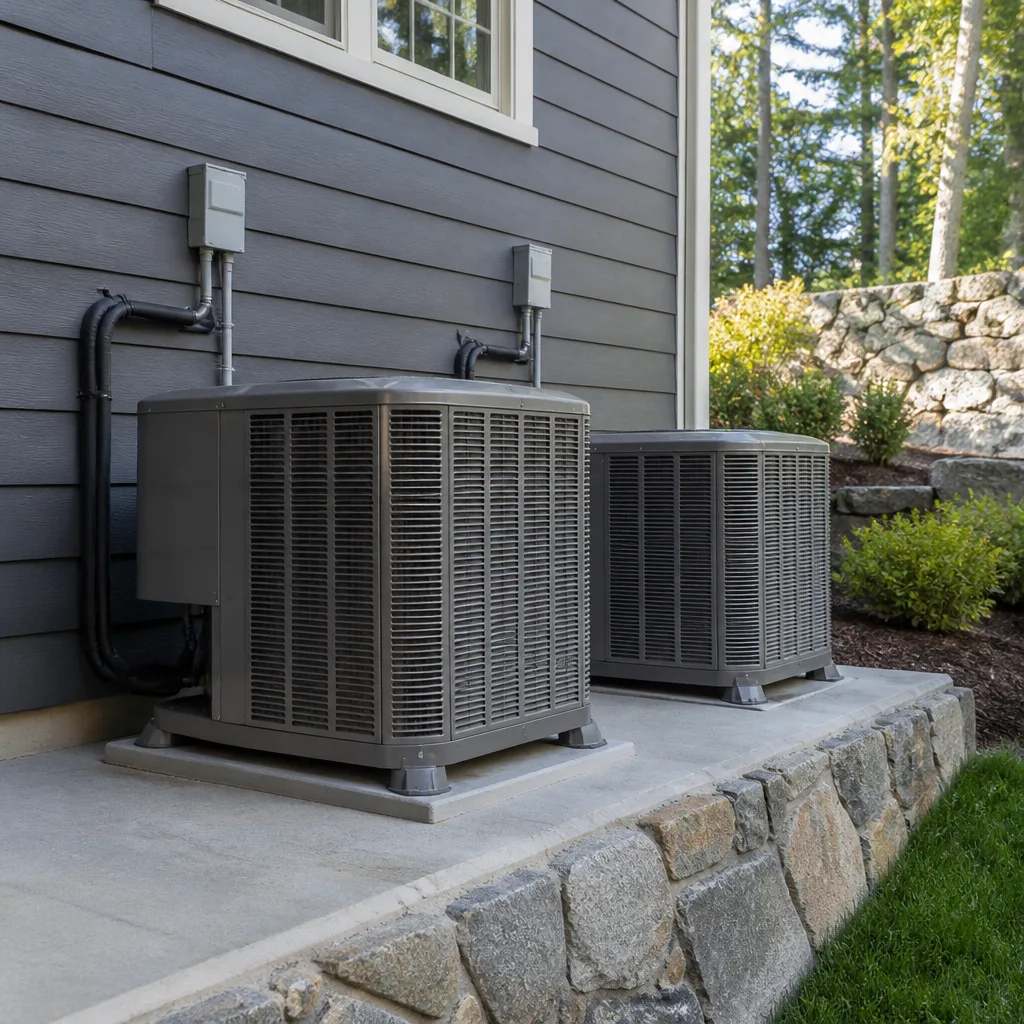 Heat pumps
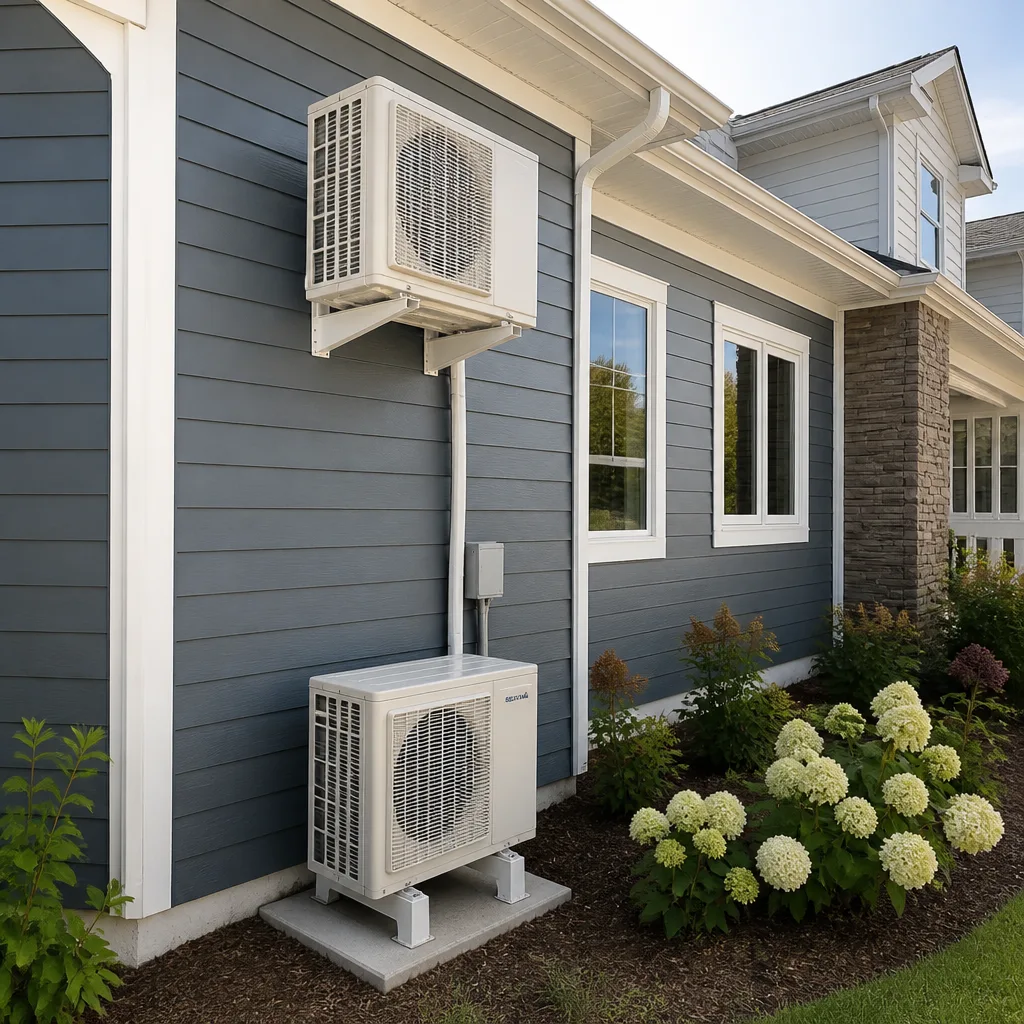 Ductless mini splits
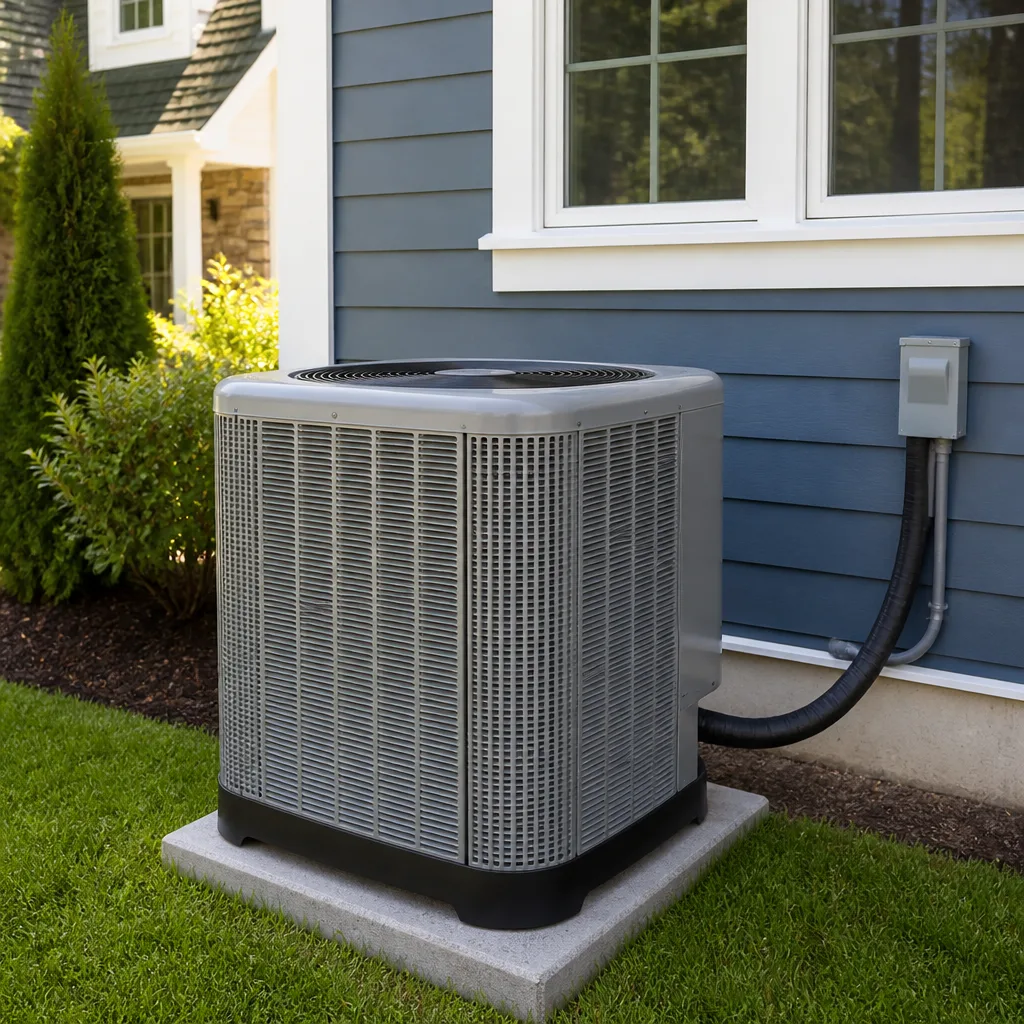 Carrier
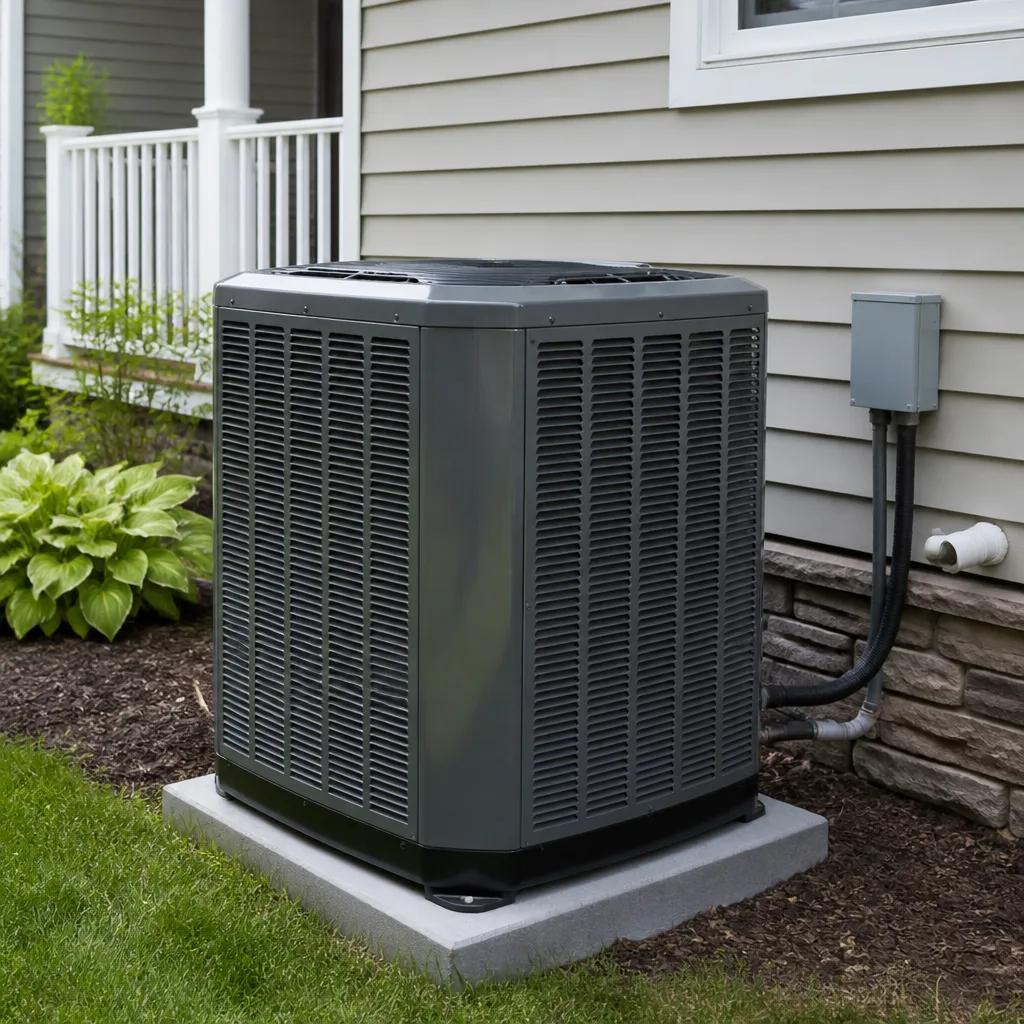 Trane
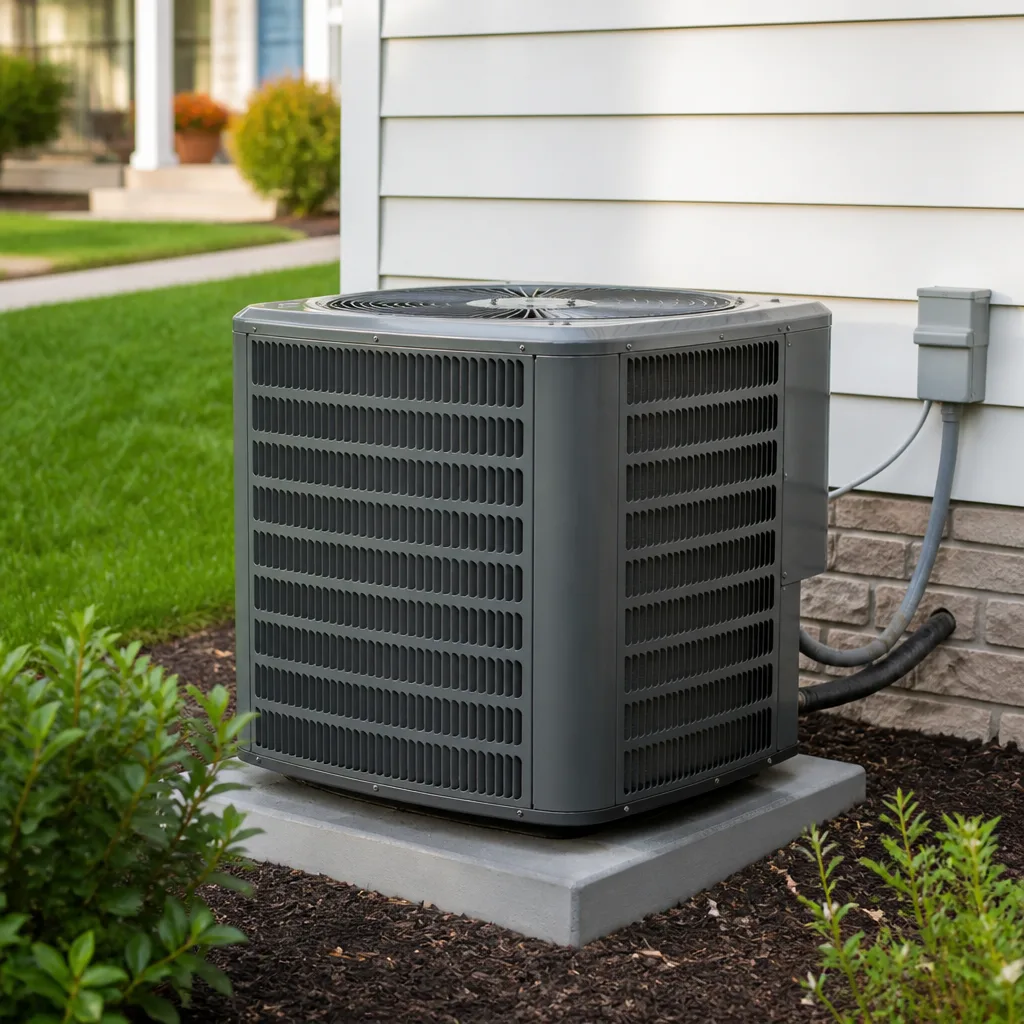 Goodman
Seasonal tune-up and full diagnostic on your Carrier, Trane, or Goodman system - readings shown to you before any repair is proposed
Diagnosis first, numbers second - you approve the repair price before a single part goes in.
Get your free estimateDIY vs Professional HVAC: The Port St. Lucie Homeowner’s Decision Guide
Most homeowners treat “should I fix this myself?” as one question. It isn’t. It’s a stack of smaller questions, and the answers change depending on which task you’re actually holding. In Port St. Lucie, the legal boundary is sharper than most people expect. Handling refrigerant without EPA Section 608 certification isn’t a gray area or a suggestion – it’s a federal violation. That one fact settles roughly 40% of the “can I DIY this?” calls we get. What follows maps each job into three honest categories: legal and safe for a homeowner, legal but technically demanding, and licensed-only. You’ll also see where a cheap DIY attempt quietly costs far more than it saves.
Quick Answer
Filter changes, thermostat swaps, and a careful drain-line flush are legitimate DIY tasks in Port St. Lucie. Capacitor replacement is legal for a homeowner but demands real electrical care. Anything involving refrigerant, sealed-system work, gas lines, or electrical panel changes requires a licensed professional. When in doubt, a free estimate costs you nothing and a wiring mistake costs a lot.
Styles & brands we work with
- AC repair
- Furnace & heating
- Heat pumps
- Ductless mini splits
- Carrier
- Trane
- Goodman
Table of Contents
- The Three Categories of HVAC Work
- Legal and Safe DIY Tasks
- Legal but Technically Demanding
- Licensed-Only Work Under Florida and Federal Law
- Coil Cleaning and Mold Risk in Port St. Lucie’s Humidity
- When a DIY Attempt Voids Your Manufacturer Warranty
- The Cost Reality Check: A Capacitor Isn’t Always $15
- How to Prepare Your System for a Technician Visit
- Common Mistakes to Avoid
- When to Call a Professional
- Frequently Asked Questions
The Three Categories of HVAC Work
Before you touch anything, sort the task into one of three buckets. This is the single most useful habit a homeowner can build.
Category 1 – Legal and safe DIY. Routine maintenance that doesn’t open refrigerant circuits or involve energized electrical components. Filter swaps, thermostat replacement, and clearing a drain line all fit here. No certification needed, low risk when you follow the manufacturer’s instructions.
Category 2 – Legal but technically demanding. Work a homeowner can legally perform but that rewards real skill and carries genuine shock or equipment-damage risk. Capacitor replacement is the clearest example. Nothing about it is illegal. But a discharged-versus-charged capacitor, reversed wiring, or a mismatched microfarad rating turns a small job into a dead control board.
Category 3 – Licensed-only. Refrigerant handling (federal EPA Section 608), sealed-system repair, gas line work on furnaces, and electrical panel changes. No homeowner DIY here, full stop.
In Port St. Lucie, most of the year runs long cooling season, so a system that’s down during July heat hits differently than a brief outage in a mild month. Knowing which category you’re in tells you whether to grab a screwdriver or a phone.
Legal and Safe DIY Tasks
These are the jobs where doing it yourself is genuinely fine. They don’t require a license, they don’t risk refrigerant, and the downsides of a mistake are small.
- Air filter changes. A clogged filter is the most common cause of reduced airflow and strain on the system. Check it monthly during heavy cooling months and replace it per the filter’s rating. It’s the highest-return five minutes in HVAC.
- Thermostat replacement. Swapping a basic thermostat is legal and safe if you cut power at the breaker first. Match the wiring labels exactly; a misplaced wire can stop the system from starting.
- Drain line flush. Condensate lines clog, and when they do, water backs up. A careful flush with water or a mild vinegar solution keeps the line clear. Note that this is maintenance of the drain – not the coil.
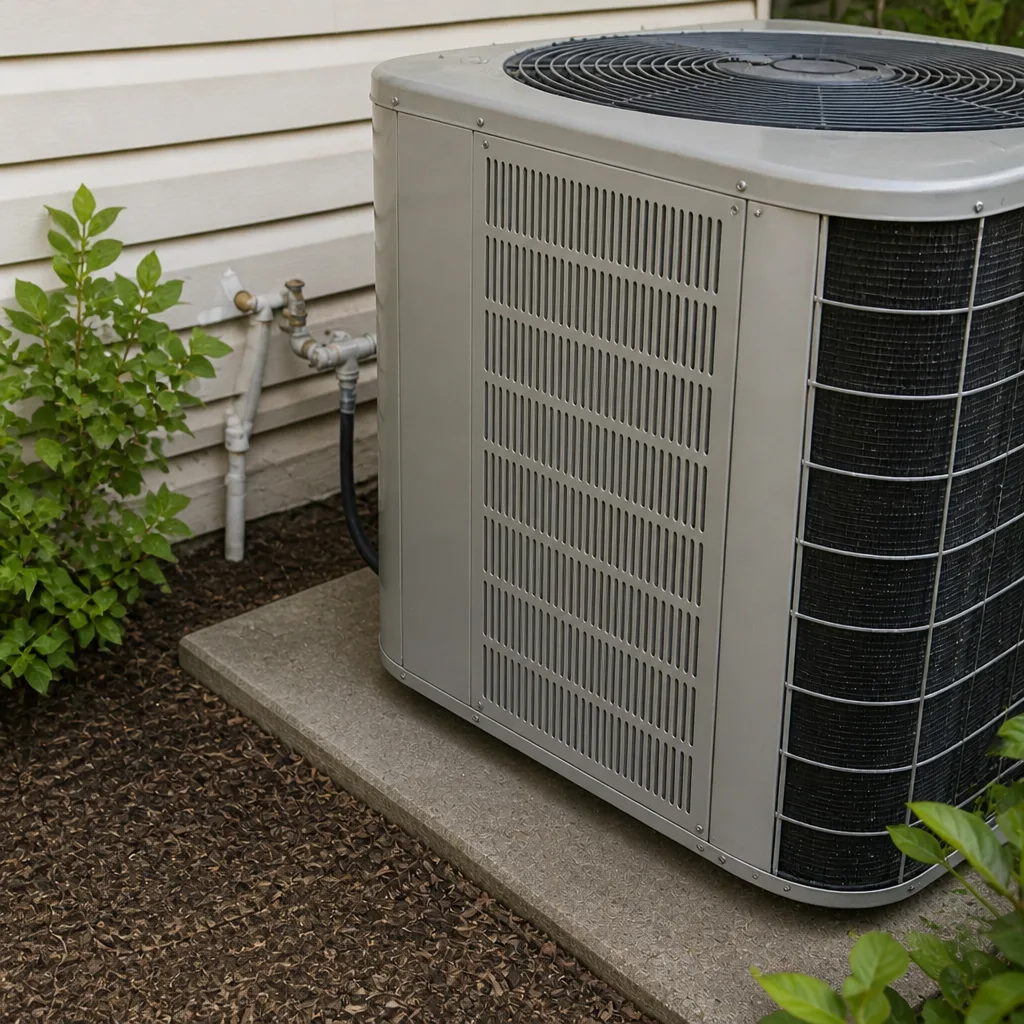
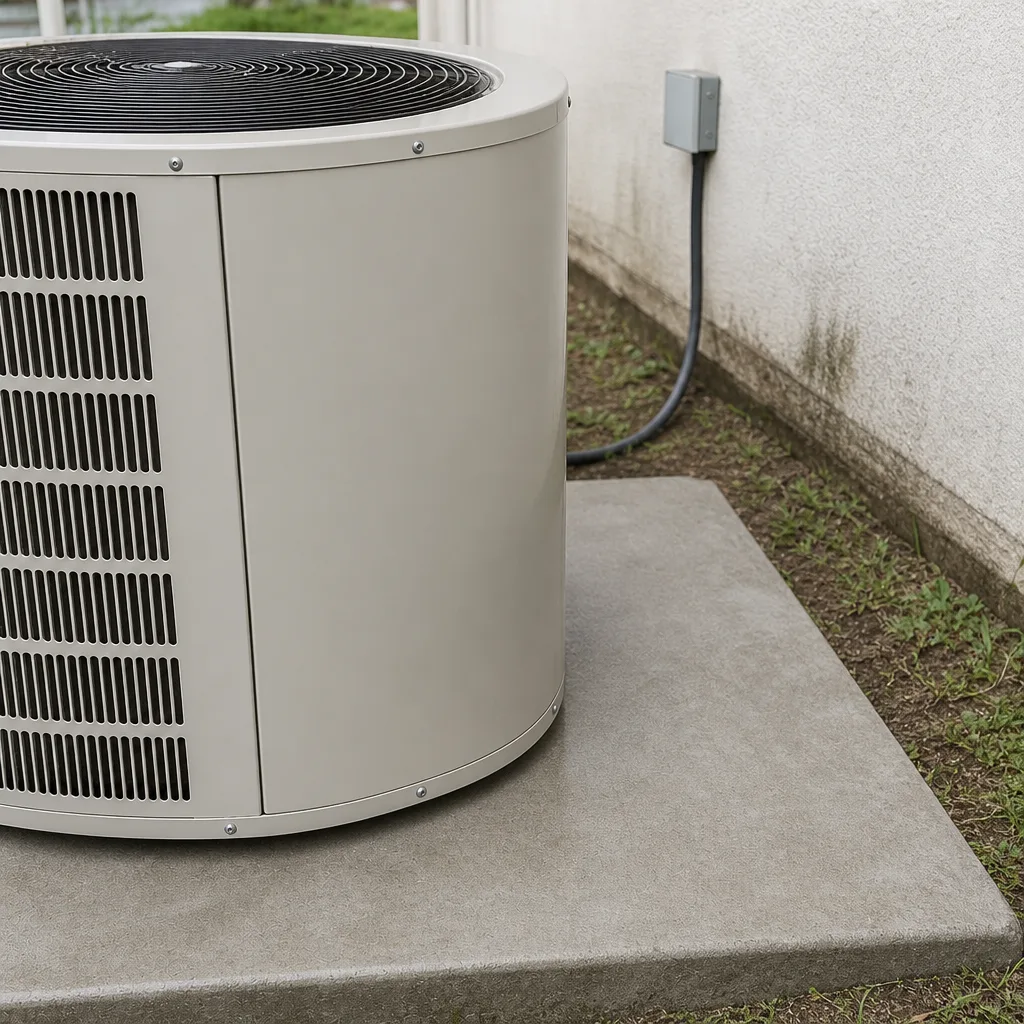
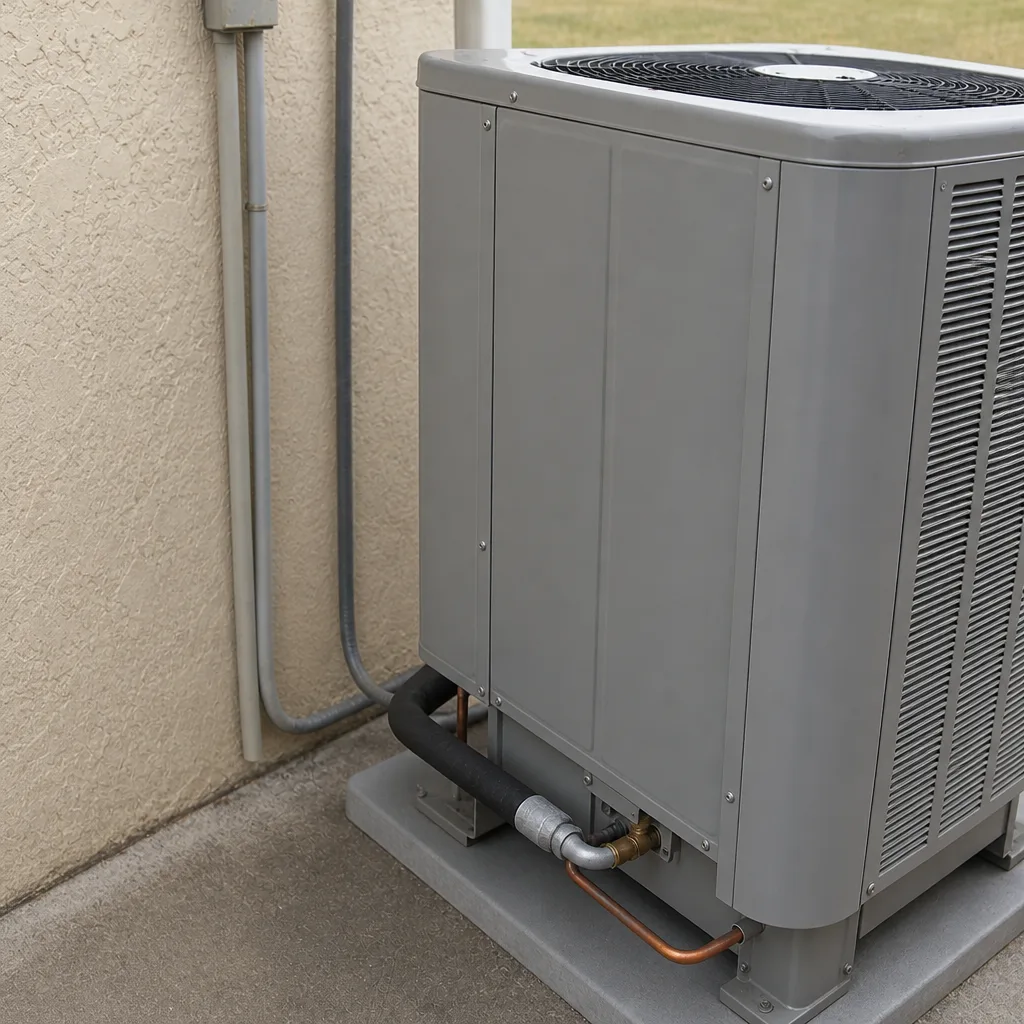
- Outdoor unit clearing. Keeping leaves, debris, and weeds away from the outdoor condenser supports airflow and is entirely within a homeowner’s reach.
These tasks are also where our technicians spend less time when they arrive, because basic upkeep is already done. If you’d rather just hand the routine side off, our Dayspring AC Repair team handles the whole comfort loop – cooling and heating – so a single relationship covers both.
Legal but Technically Demanding
Some work won’t get you reported to anyone, but it can get you hurt or leave your system worse than you found it. Capacitor replacement is the classic case, and it deserves a straight explanation.
A run capacitor helps start and run the compressor and fan motor. When it fails, the system may hum and not start, or start weakly. A new capacitor is inexpensive – often a $15 part. Replacement seems simple: discharge it, disconnect, reconnect, done. Here’s what that glosses over.
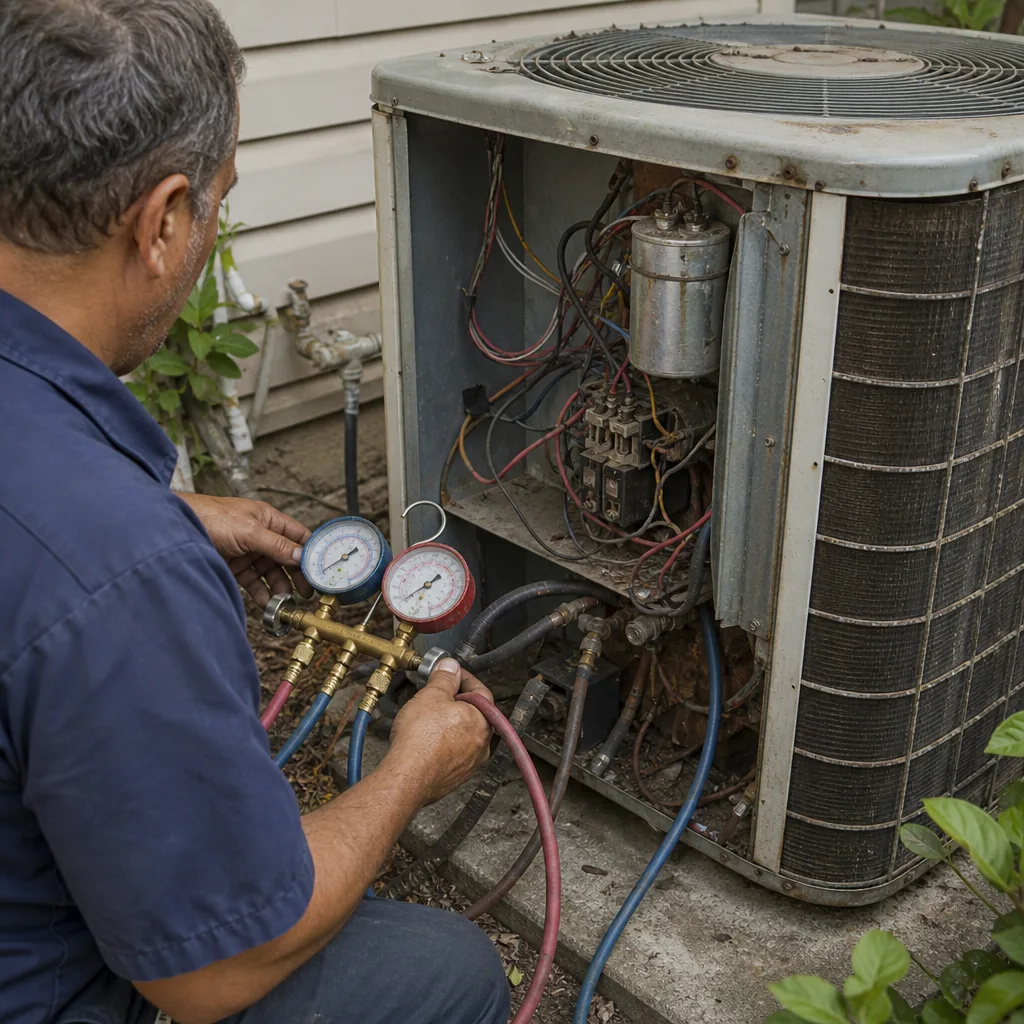
Capacitors store a charge even after power is cut. They can deliver a painful shock if not properly discharged. Microfarad ratings have tolerances, and the wrong rating stresses the motor. Wire orientation matters, and a reversed connection can fry the compressor. And diagnosing which component actually failed – capacitor versus contactor versus motor – takes experience. We work across Rheem, York, and Daikin systems, among others, and failure patterns differ enough by brand that guessing costs time and parts.
If you’re confident, careful, and have the right meter, this is your call to make. If you’re not, the risk-reward math tips toward a technician – and the diagnosis is where most of the value lives anyway.
Licensed-Only Work Under Florida and Federal Law
These tasks aren’t “hard.” They’re off-limits to homeowners, and it’s not a preference. Two separate regimes lock them down: federal law on refrigerant and Florida law on HVAC contracting and electrical work.
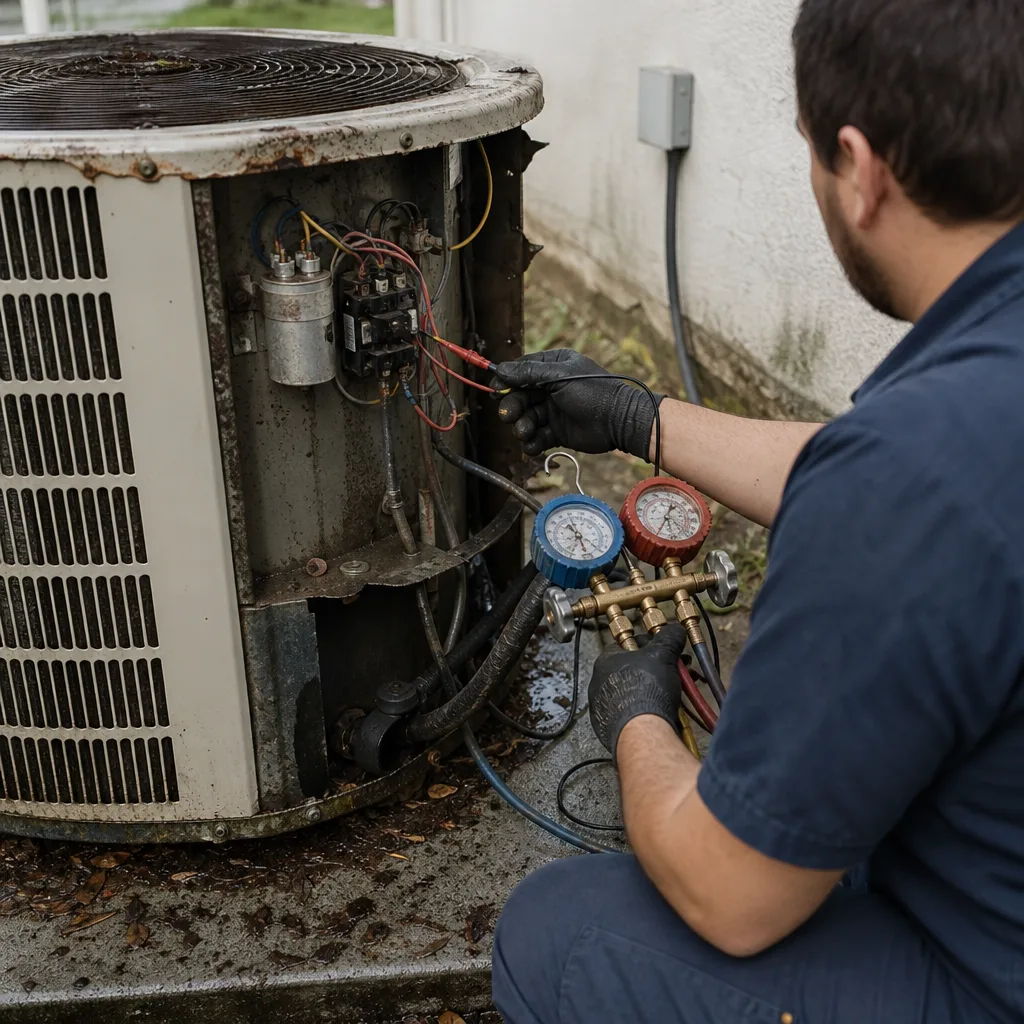
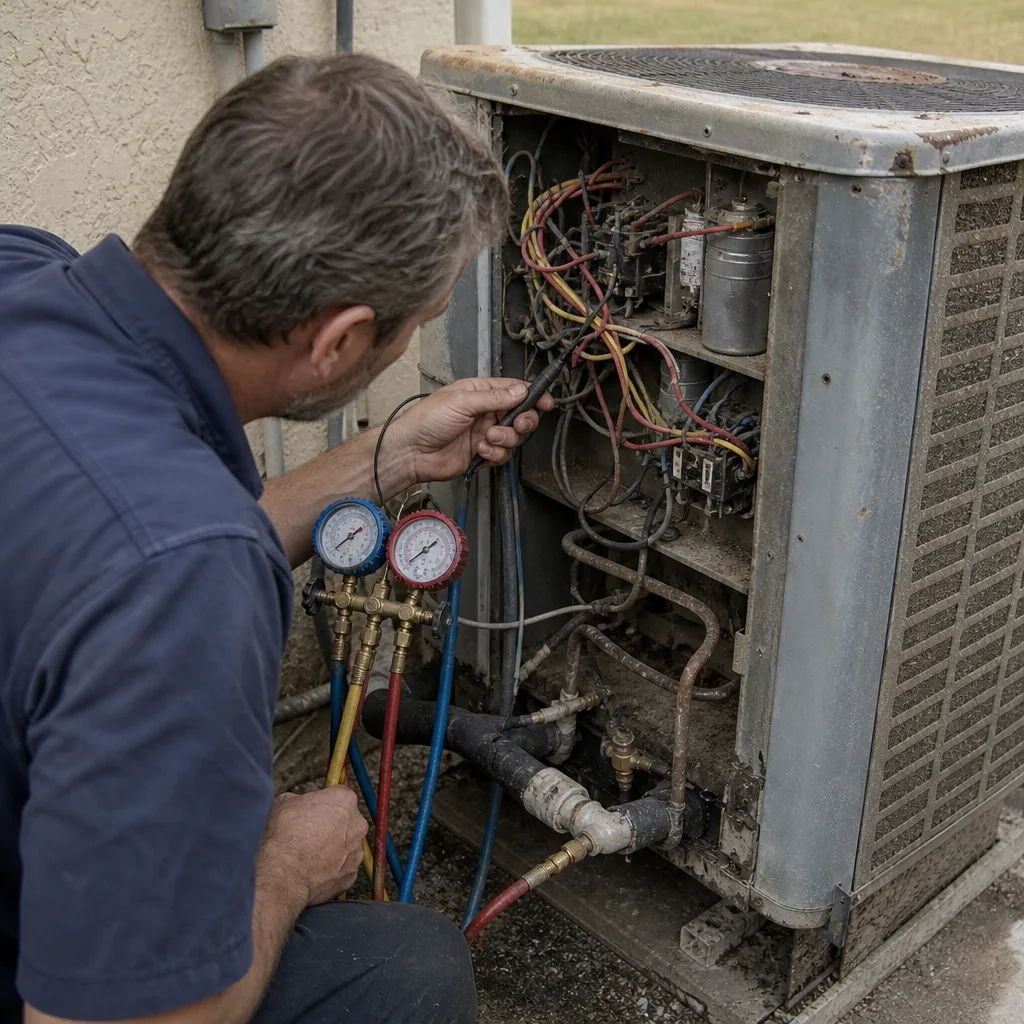
- Refrigerant handling and charging. Under the EPA’s Section 608 program, only certified technicians may handle refrigerants. Recharging, recovering, and repairing a leaking sealed system fall entirely in this bucket.
- Compressor and sealed-system repair. Any work that opens the refrigerant circuit – including diagnosed leaks and component replacement inside the loop – is licensed-only.
- Gas line work on furnaces. Gas connections are dangerous and regulated. This is not a homeowner repair, ever.
- Electrical panel and dedicated-circuit changes. Adding or altering a breaker or dedicated circuit is a licensed electrical task in Florida. Never open a panel to chase HVAC wiring.
The refrigerant rule alone answers a huge share of “can I just top it off?” questions. Topping off a leaking system masks the leak and creates a bigger problem. If your system is low on charge, the real task is finding the leak – and that means AC repair by a trained professional, not a can of refrigerant.
Coil Cleaning and Mold Risk in Port St. Lucie’s Humidity
Port St. Lucie’s humidity shapes how a coil should be cleaned. The evaporator coil sits wet and cold during the cooling season. In a humid climate, a coil that’s cleaned improperly – or not cleaned at all – is where mold takes hold. That mold then rides the airstream into the home.
“Done correctly” means a controlled process, not a spray-and-hope approach:
- Power down safely. The system is fully de-energized before any coil work.
- Protect the surrounding area. Drainage is managed so water and cleaner don’t pool inside the cabinet, where moisture invites growth.
- Use the correct cleaner for the coil type. Evaporator and condenser coils don’t take the same product or the same method.
- Rinse completely and dry thoroughly. Residue left on a wet coil is a breeding ground. Proper drying matters more in a humid climate than in a dry one.
- Verify drainage afterward. The condensate path has to flow freely once the coil is clean.
Homeowners can help by keeping the filter clean and the drain clear. Beyond that, coil cleaning is one of those tasks that’s legal to attempt but practically inadvisable here, because the humidity punishes anything short of a full, correct job. When we service Port St. Lucie homes, the coil and drain get attention precisely because the climate is unforgiving about moisture.
When a DIY Attempt Voids Your Manufacturer Warranty
Many HVAC manufacturers require that installation and certain repairs be performed by a licensed professional for warranty coverage to hold. That means a DIY attempt on covered equipment can void your coverage – even if the repair “works” afterward.
The warranty-void scenarios are specific:
- Opening the sealed refrigerant system without certification. Manufacturers routinely require licensed handling for warranty claims on any sealed-system work.
- Improper electrical work causing component failure. If a DIY capacitor or wiring job burns out a board or motor, the failure is traced to the work done.
- Installation done outside the manufacturer’s requirements. This can affect the whole unit’s coverage.
- Undocumented or unverified repairs. When a warranty claim needs a paper trail, a licensed record matters.
Before you gamble on a DIY fix, ask one question: is this system still under manufacturer coverage? If it is, the math usually favors a professional diagnosis. The savings from one DIY job rarely outweigh standing coverage on a whole system. Our own technicians work across Carrier, Trane, Lennox, Goodman, Rheem, York, Daikin, Bryant, and American Standard, so the brand you already have is the brand we already know.
The Cost Reality Check: A Capacitor Isn’t Always $15
The $15 part line is honest – a capacitor is cheap. The repair isn’t always cheap, because the failure that mattered may have been downstream.
Here’s the chain that turns a small job into a big one. A failed capacitor or misdiagnosis leads to a start attempt that stresses the compressor. Or a reversed connection sends the wrong signal to the control board, which fails. The part was $15; the board repair runs into the hundreds. Add a compressor in the worst case, and the DIY tab far exceeds a professional repair that would have diagnosed the real fault.
Diagnosis is where the money actually goes, and it’s the part most homeowners underestimate. A technician doesn’t just replace a part – they confirm which component failed, verify the replacement is correct, and check that nothing upstream is masking a second problem. That’s why the same “small repair” is a few quick steps for a pro and a minefield for a homeowner.
If you need a repair, we can help you get back to comfortable. Call (833) 659-7543. We answer 24/7. Fast dispatch from 7am to 7pm, Sunday through Friday. The estimate is free, and the written estimate sets the final price – no surprises when the work is done.
How to Prepare Your System for a Technician Visit
Here’s a DIY angle that actually pays off. The better prepared you are when you call, the faster a technician can diagnose – and faster diagnostics mean a more efficient visit. None of this is repair. It’s information gathering.
- Note the symptoms precisely. Is it not cooling, not turning on, short-cycling, or making noise? “Not cooling” narrows things; “not cooling and the outdoor unit hums but won’t start” narrows it further.
- Record the brand and model of the outdoor unit and air handler. Knowing you have a Bryant or a Daikin helps the right experience arrive for your equipment.
- State when the problem started and what changed. A new thermostat, a breaker flip, or a recent power event are all clues.
- Check the filter first. If it’s badly clogged, note it – that’s relevant information, not a diagnosis.
- Clear access. Make sure the technician can reach the outdoor unit and the air handler without moving furniture.
This preparation isn’t about becoming your own repair person. It’s about making the visit count. If you’re weighing repair against replacement, our AC installation team handles that conversation honestly, without a quota pushing a new unit. Our technicians have up to 9 years of experience across those nine major brands, and brand-fluent diagnostics often spot the pattern faster when the homeowner has done this homework.
Common Mistakes to Avoid
- DIYing refrigerant handling. This is a federal violation under EPA Section 608, not a matter of opinion. Only certified technicians touch the refrigerant loop.
- Topping off a known leak. It masks the leak, wastes refrigerant, and can damage a compressor over time. The real fix is finding the source.
- Rushing a capacitor swap. An improperly discharged capacitor can shock you badly, and a wiring mistake can take out the control board. If you’re not fully confident, stop.
- Coil cleaning without controlling moisture. In Port St. Lucie’s humidity, sloppy coil cleaning leaves residue and moisture that invite mold growth. “Done correctly” means full power-down, proper cleaner, complete rinse, and thorough drying.
- Ignoring warranty terms before a DIY attempt. Work that voids manufacturer coverage can nullify protection on a system you still rely on. Check the coverage first.
- Mismatching capacitor ratings. The wrong microfarad value stresses the motor. Buy the exact rating or leave it alone.
- Watching the internet instead of your meter. Symptom-matching from a video often leads people to replace a good part while the real fault sits elsewhere. Diagnosis takes measurement.
When to Call a Professional
Call a professional the moment the task touches refrigerant, gas, a sealed system, or electrical panels. If the system won’t cool and the filter is clean, that’s a call. If you smell gas near the furnace, shut it down and call. If the outdoor unit hums but won’t start, a technician can tell within a short visit whether it’s a capacitor, a contactor, or the motor. If you’re unsure which category a task lands in, that uncertainty is your answer. In Port St. Lucie, a cooling failure in the middle of summer heat is a health and comfort issue, not a matter of pride, so call earlier rather than later. Dayspring AC Repair offers free estimates in Port St. Lucie – call (833) 659-7543. We answer 24/7, with fast dispatch from 7am to 7pm, Sunday through Friday.
Frequently Asked Questions
No. Handling refrigerant requires EPA Section 608 certification, and doing it without that certification is a federal violation. Recharging, recovering, and sealed-system repair all fall under this rule.
Yes, it’s legal for a homeowner, but it carries serious electrical risk. Capacitors store a charge, ratings must match exactly, and wiring errors can damage the compressor or control board. If you’re not fully confident, a professional is the safer choice.
Filter changes, thermostat replacement, and drain-line flushes are the safe DIY set. Keeping the outdoor unit clear of debris helps too. These tasks support the system without opening refrigerant circuits or energized components. Call (833) 659-7543 for an exact quote on anything beyond them – estimates are free.
It can. Many manufacturers require licensed professional work for coverage to hold, especially on sealed-system repairs and installation. If your equipment is still under manufacturer coverage, check the terms before attempting any repair.
Long cooling season and high humidity keep the evaporator coil wet and cold much of the year. Improper cleaning leaves residue and moisture that let mold take hold, which then enters your home’s air. Correct cleaning means powering down, using the right cleaner, rinsing fully, drying completely, and checking the drain.
Yes. A cheap part installed wrong can damage a control board or compressor, turning an inexpensive repair into a costly one. In our experience, the diagnosis is the valuable part, not the part itself. Call (833) 659-7543 for an exact quote – estimates are free.
The Bottom Line
The DIY-versus-professional decision isn’t one answer – it’s a task-by-task sort. Filters, thermostats, and drain lines are yours to handle. Capacitor work is legal but demands care. Refrigerant, gas, sealed-system, and panel work belong to licensed professionals, and that line is set by federal and Florida law, not comfort. In Port St. Lucie’s humidity, sloppy coil cleaning invites mold, and a small DIY mistake can void manufacturer coverage or damage components far costlier than the part. When the category is unclear, call. A free, no-pressure estimate tells you exactly where you stand for homes across Port St. Lucie.
Ready to sort out a repair or talk through repair-versus-replace? Call (833) 659-7543 for a free estimate. We answer 24/7. Fast dispatch from 7am to 7pm, Sunday through Friday.
Written by the team at Dayspring AC Repair.
See the difference
 Before
 After
 Before
 After
 Before
 After