
Last updated November 15, 2026
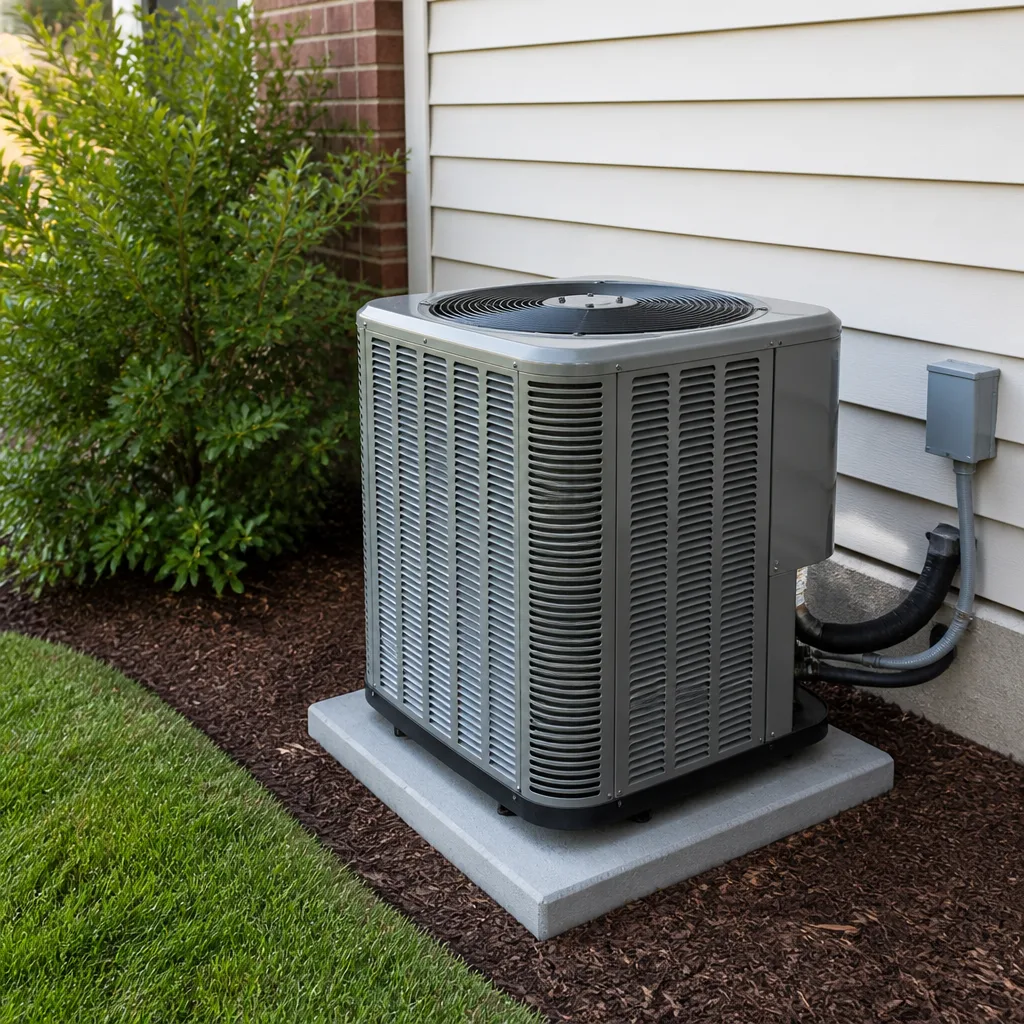 AC repair
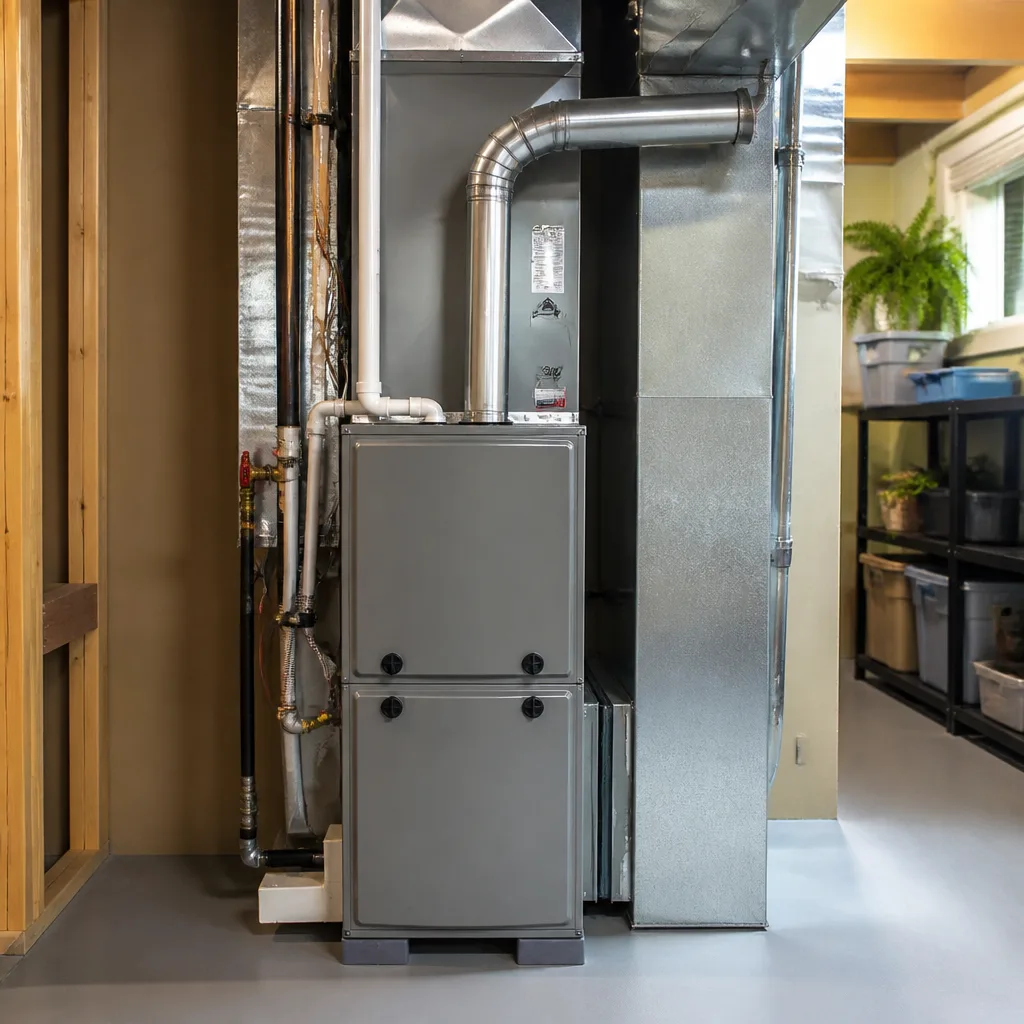 Furnace & heating
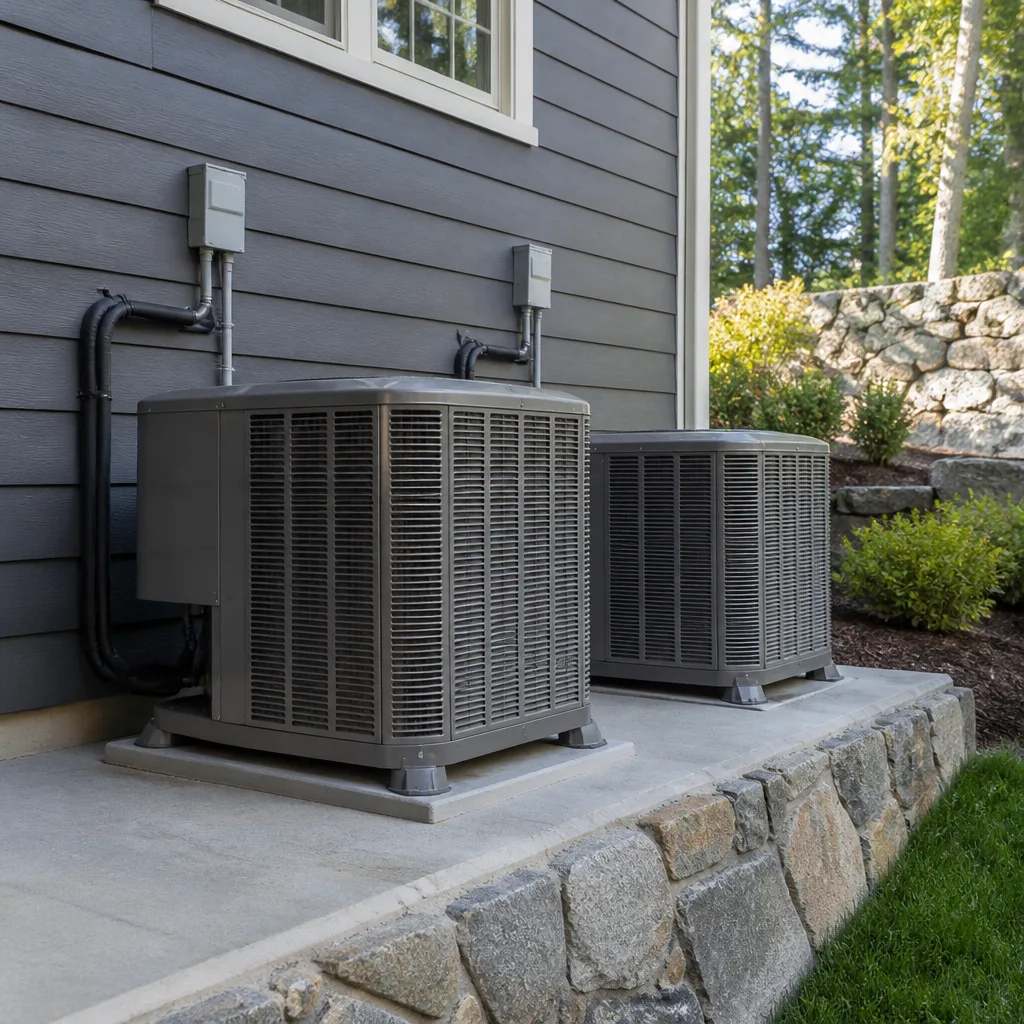 Heat pumps
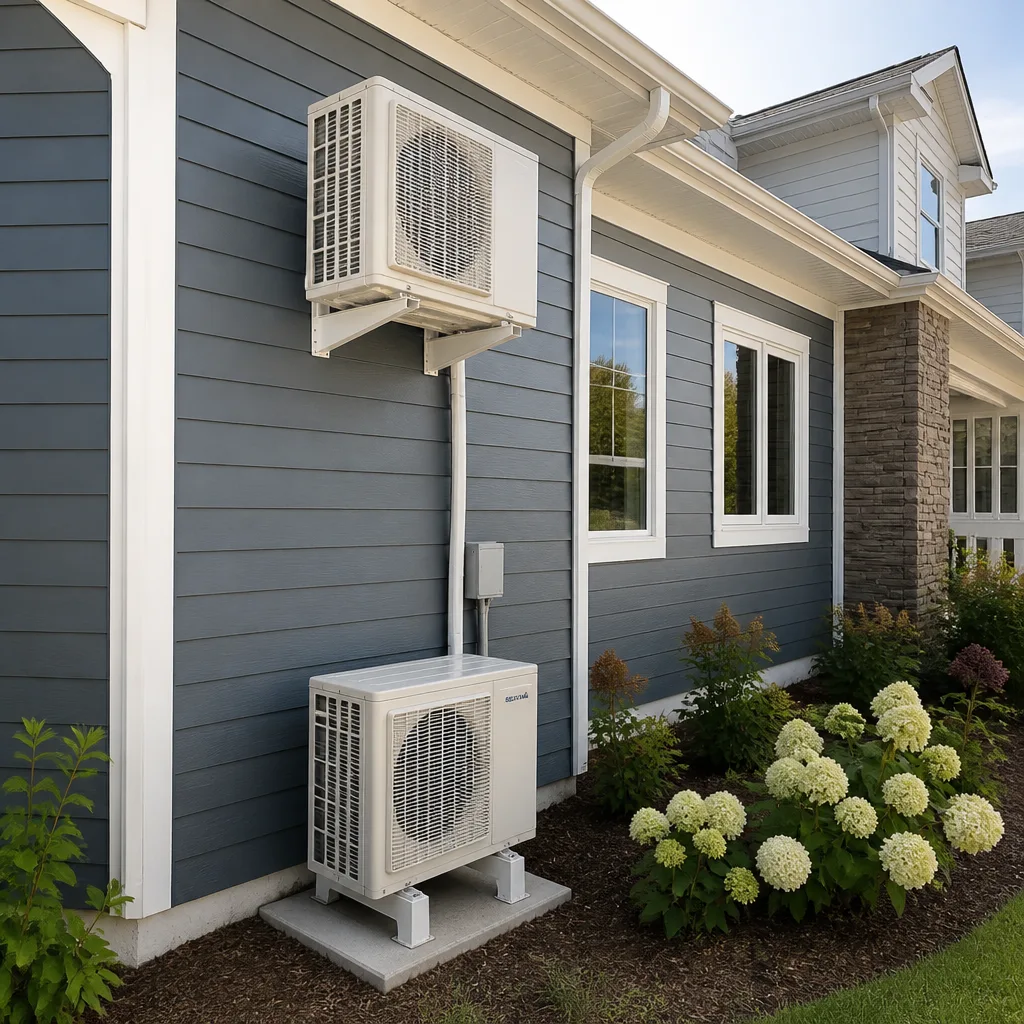 Ductless mini splits
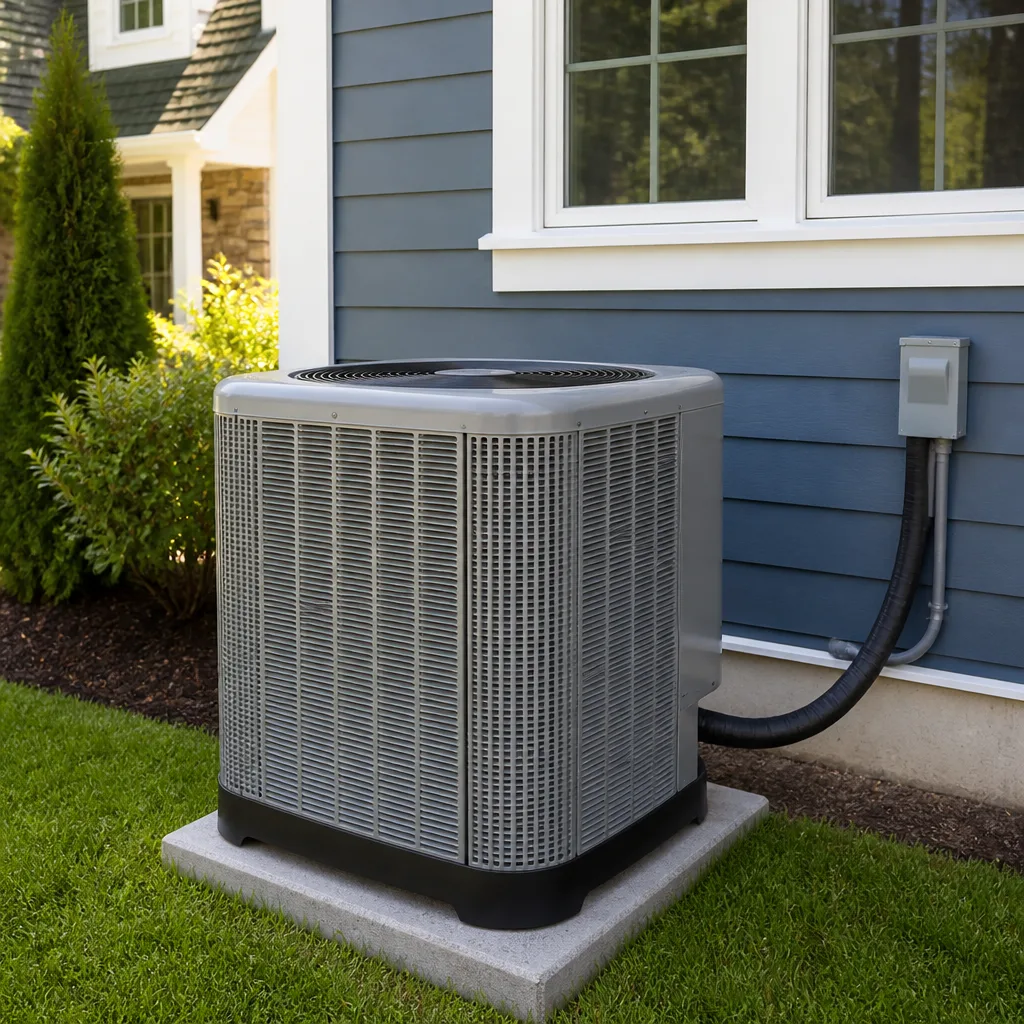 Carrier
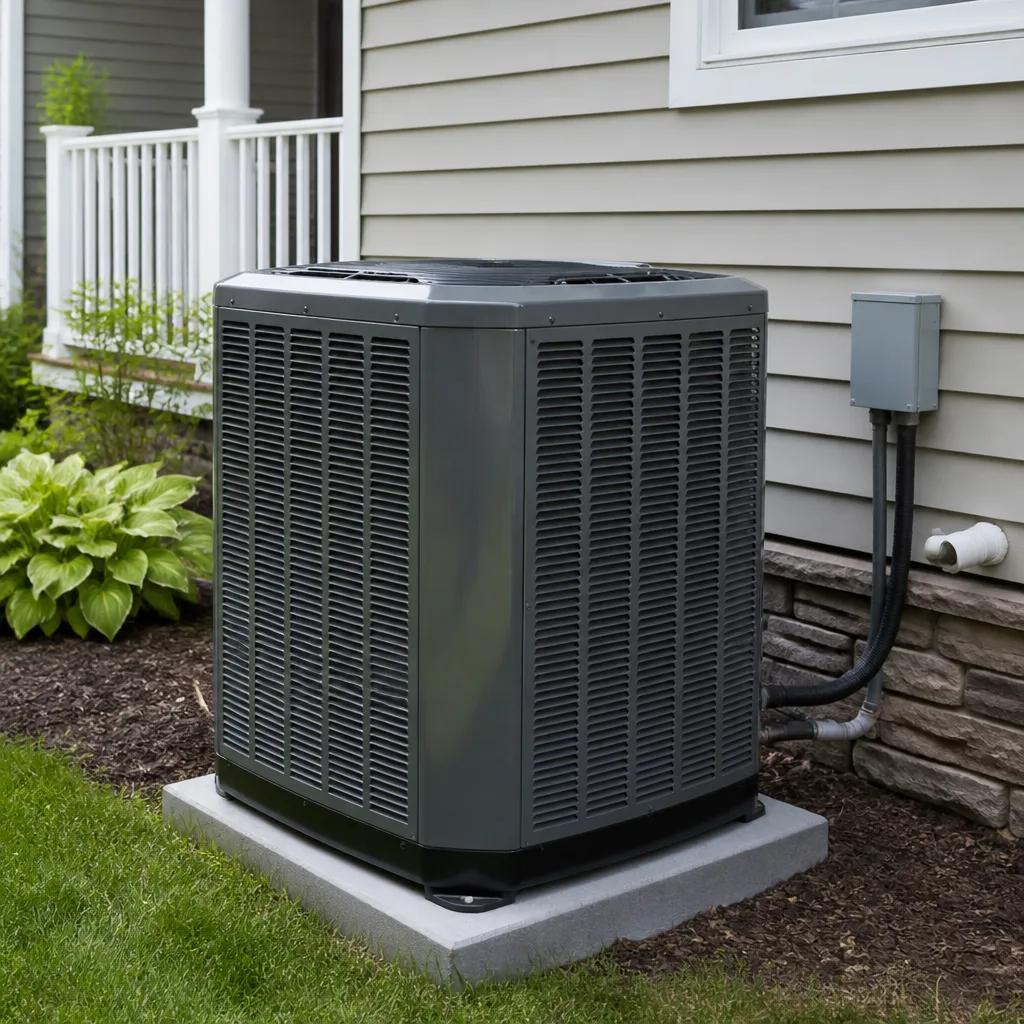 Trane
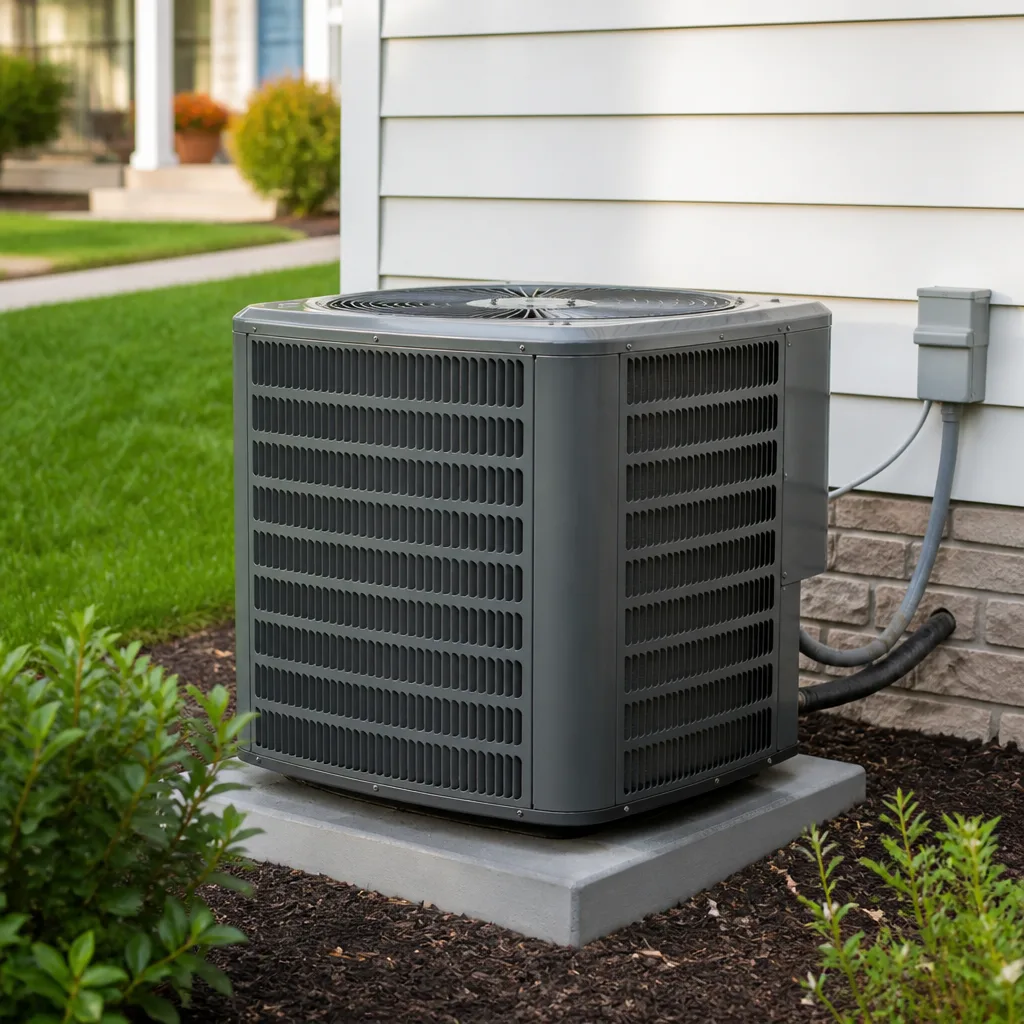 Goodman
Seasonal tune-up and full diagnostic on your Carrier, Trane, or Goodman system - readings shown to you before any repair is proposed
Diagnosis first, numbers second - you approve the repair price before a single part goes in.
Get your free estimateAC Repair Maintenance Checklist for Port St. Lucie Homeowners
Here’s the math most maintenance schedules ignore: a Port St. Lucie AC system racks up roughly the same runtime hours in twelve months that a system in Charlotte, North Carolina logs in twenty. Our cooling season doesn’t end in September. The compressor keeps cycling in January, the condensate line keeps draining, and the coils keep pulling moisture out of the air almost every week of the year. Most checklists floating around the internet were written for milder climates, where equipment gets a long winter nap. Yours doesn’t. This guide is organized by failure frequency in our actual heat load, not by season or alphabet, and it’ll walk you through what to check, how often, and the warning signs that mean you’re about to have a bad week.
Quick Answer
A Port St. Lucie AC maintenance checklist should prioritize the failures that hit first in near-year-round runtime: a monthly condensate drain flush instead of once a year, coil inspection every six months for formicary corrosion, capacitor and contactor checks calibrated to Florida heat cycles, UV-resistant insulation review on exterior line sets, and a homeowner-logged delta-T reading each month. Filter changes stay on the list, but they’re the easiest item, not the most important one. The order below reflects what we actually repair most, not what looks tidy on paper.
Styles & brands we work with
- AC repair
- Furnace & heating
- Heat pumps
- Ductless mini splits
- Carrier
- Trane
- Goodman
Table of Contents
- Why Port St. Lucie Systems Wear Differently
- Drain Line Flushing: Why Once a Year Isn’t Enough
- Coil Inspection and Formicary Corrosion
- Capacitors and Contactors: Florida Heat Cycles
- Refrigerant Line Insulation and UV Breakdown
- Tracking Your Delta-T as an Early Warning
- Filters and Airflow in a Humid Climate
- A Practical Maintenance Schedule
Why Port St. Lucie Systems Wear Differently
Standard HVAC maintenance guidance assumes a climate with a distinct heating season and a cooling season that ends. Port St. Lucie doesn’t have that. The system runs through humid spring, punishing summer, wet fall, and mild winter, and the equipment never really rests. That matters because AC components don’t wear out on a calendar. They wear out on cycles. Compressor starts, blower hours, and the total moisture the coil has had to pull out of the air all accumulate faster here.
The housing stock adds another variable. Many homes in Port St. Lucie are single-story block construction with the air handler in the garage or a closet and the condenser on a sunny exterior pad. Attic ducts and garage-mounted equipment see heat the interior of the house never does. That combination means electrical components carry load at higher ambient temperatures, insulation takes more sun, and condensation forms constantly.
Our technicians have up to 9 years of experience, and across that time the pattern is consistent: the same handful of failures show up over and over in this climate, and they show up in a predictable order. If you want a broader look at what we handle, our Dayspring AC Repair page covers the full scope. But this checklist is the order that matters.
Here’s a quick comparison to make the point:
- A milder-climate system might log 1,800 to 2,200 cooling hours a year and sit idle half of that time.
- A Port St. Lucie system runs 10 to 11 months of the year, sometimes longer in a warm winter, with only short relief.
- The result: components near the end of their rated life in cooler climates fail a year or two earlier here, and maintenance intervals written for a temperate season fall short.
Drain Line Flushing: Why Once a Year Isn’t Enough
Condensate drain lines in Port St. Lucie need flushing roughly every two to three months, not once a year. A system pulling moisture out of humid air for ten months generates a steady film of biological growth inside the drain line, and that film thickens into a partial clog faster than annual maintenance assumes. Once-a-year flushing is a schedule written for a place where the AC runs for a few summer months. It’s not enough here.
The frustrating part is that a partial clog is easy to miss. What to watch for:
- Rust or mineral staining around the drain pan under the air handler.
- Water pooling in the emergency pan, or a wet spot on the ceiling or wall near a horizontal drain run.
- The line dripping slowly at the exterior termination point rather than flowing, or stopping altogether.
- A musty smell near the air handler, which often means standing water in the pan is growing something.
- Your float switch tripping and shutting the system off, which is a protective feature but not one you want to discover during the hottest week of the year.
If you’re not comfortable flushing the trap cleanout yourself, this is one item worth handing to a technician. A slow leak behind drywall in a Port St. Lucie home carries real damage risk, and the flush takes minutes when it’s done regularly. When it’s neglected, we’ve seen a drain that was partially blocked for months, and the first sign of trouble was a ceiling stain into a garage. Standard annual maintenance would have missed it entirely. Our AC repair visits include a drain flush for exactly that reason.
Coil Inspection and Formicary Corrosion
Formicary corrosion is a specific failure mode most generic checklists skip. It’s a pitting corrosion on the copper coil tubes, driven by organic acids that form when moisture, airborne chemicals, and copper meet over long periods. It shows up as tiny pinholes that leak refrigerant. In a consistently humid indoor environment like Port St. Lucie, the conditions for it are present almost the entire year.
You won’t spot formicary corrosion by looking at the outside of the cabinet. It’s found by inspecting the coil surface and, in more advanced cases, by watching for refrigerant charge loss that isn’t explained by a mechanical leak. This is why we inspect the evaporator coil at least every six months in this climate rather than annually. Indoor coil pinholes are one of the failures we see most often on units that have made it past roughly their seventh year of service.
The inspection method for homeowners is to watch the symptoms and let a professional handle the coil itself:
- Watch for refrigerant loss signs: the system cools but runs longer than it used to, or the humidity inside the house climbs even when the thermostat hits its target.
- Look under the coil cabinet and the drain pan for oily residue. Refrigerant leaks often leave an oil trace.
- Note the system’s age and whether refrigerant has had to be topped off in the past. Refrigerant is sealed; if it’s low, it leaked somewhere.
- Call for a coil inspection if any of those symptoms appear. A technician has the tools to pressure-check and, if a coil is leaking, tell you honestly whether the repair is worth it.
On a Daikin, Bryant, or American Standard coil, formicary pits can sometimes be repaired and sometimes mean the coil needs replacement. We’ll tell you which without pushing you one way or the other.
Capacitors and Contactors: Florida Heat Cycles
Capacitors and contactors fail faster in Florida than national maintenance intervals assume, and the reason is thermal load. The contactor and capacitor sit in the outdoor condenser cabinet, which in Port St. Lucie sits in direct sun and runs for most of the year. Components that were rated for a certain number of cycles and a moderate ambient temperature see both pushed higher and more often.
What this means for your schedule:
- Capacitors: check every six months once the system passes about five years of age. A weak capacitor is the single most common cause of “the AC won’t start” and “the fan runs but no cool,” and the failure is nearly always gradual, not sudden.
- Contactors: inspect every six months. Pitted contacts cause intermittent operation and can overheat, sometimes arcing. In our experience a contactor that’s starting to pit is a fire risk worth addressing quickly.
- Wiring connections: check the terminal lugs at the same interval. Loose lugs at high ambient temperatures loosen further.
The homeowner-visible warning signs are worth knowing:
- The outdoor fan runs but the compressor doesn’t kick on.
- The compressor hums, tries to start, and trips off.
- The lights dim briefly when the unit starts.
- The unit runs constantly without cooling well.
If any of those appear, call. Running a capacitor to failure can damage the compressor, and a compressor replacement is the most expensive repair in the trade. A capacitor check takes minutes; a compressor replacement usually doesn’t make sense on a system that’s already near the end of its life.
Electrical safety note: capacitors and contactor terminals hold a dangerous charge even after power is off. Do not open the condenser cabinet or attempt to test or replace these components yourself. This is work for a trained technician, and it’s work we do routinely. If you ever notice a burning smell or scorched cabinet wiring, switch the system off at the breaker and call for a technician before running it again.
Refrigerant Line Insulation and UV Breakdown
The refrigerant line insulation on the exterior run of most Port St. Lucie homes takes year-round sun, and UV exposure breaks it down. It cracks, peels, or thins. When it does, the line set picks up heat from the outside air before the refrigerant ever reaches the indoor coil, and the system loses efficiency. This is one of the most overlooked maintenance items on the list, and one of the easiest to inspect.
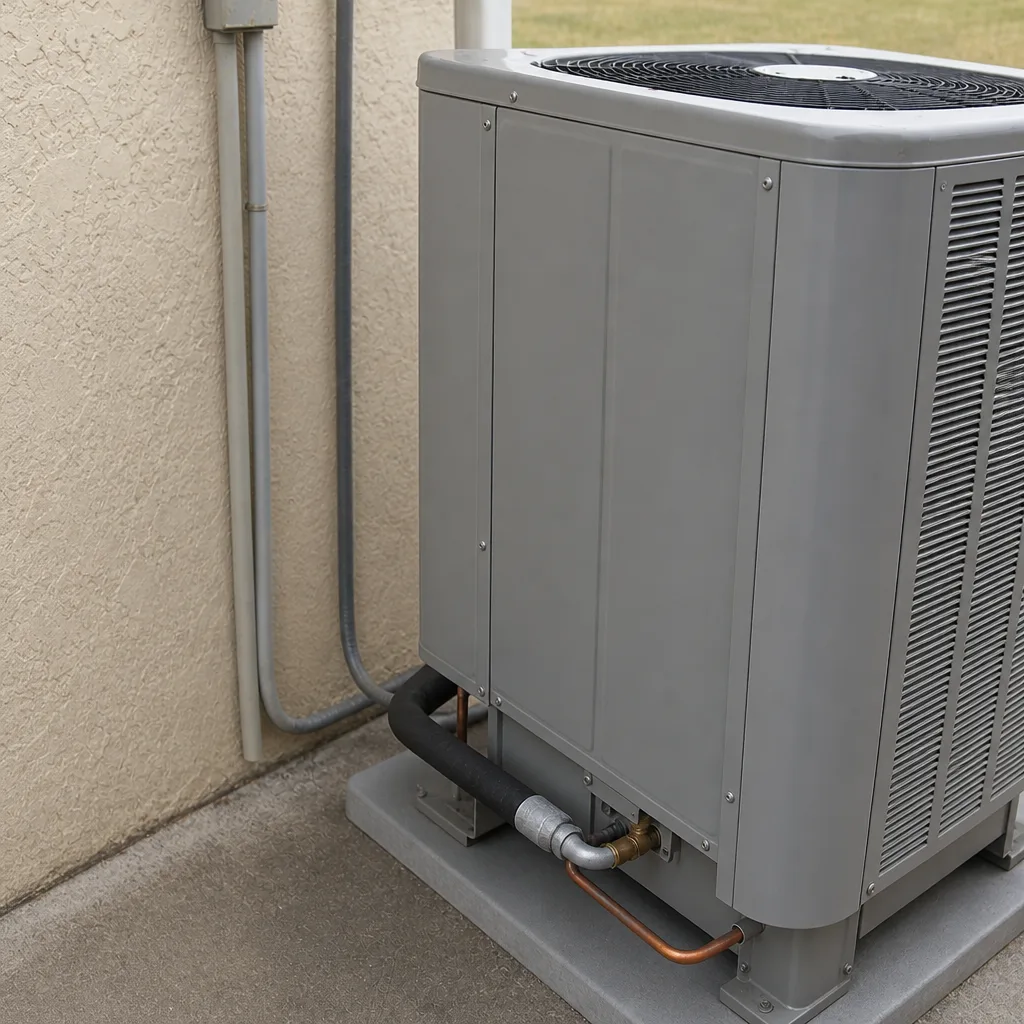
Walk outside and look at the two copper lines running from the condenser to the wall or slab:
- The larger, insulated suction line should be fully wrapped in intact insulation from end to end, with no exposed copper showing through.
- Cracked or chalky insulation that flakes off when you touch it is UV breakdown, not just damage.
- The smaller liquid line should also be insulated in most installations.
- Ties and wraps should still hold the insulation snug; sagging areas expose more copper.
Replacing sun-damaged insulation on an exposed line set is inexpensive and one of the highest-value maintenance items you can do on a system running almost year-round. The catch is that it’s also an item most homeowners never touch because it’s outside and easy to walk past. We check line set insulation on every maintenance visit and on every AC installation, because a system that’s cooling is easy to leave alone.
The insulation on an improperly installed or unmaintained line set is worth checking at least every six months in Port St. Lucie. UV degradation starts early and gets worse, and once the insulation is gone, the line is exposed to sun and physical damage.
Tracking Your Delta-T as an Early Warning
Delta-T is the temperature difference between the air going into your return grille and the air coming out of your supply vent. If your system is cooling the way it should, that difference should fall in a healthy range, and if the number drops, you have an early warning before the system completely fails. This is the single most useful maintenance metric a homeowner can track, and hardly anyone does it.
The method takes about fifteen minutes and one inexpensive probe thermometer:
- Let the system run in cooling for at least 10 to 15 minutes so the readings stabilize. Close doors and windows.
- Take the return air reading at a return grille near the air handler, or at the largest return in the house.
- Take the supply air reading in the center of the airflow at a supply vent, not at the edge of the grille.
- Subtract the supply reading from the return reading. That’s your delta-T.
- Log the number with the date in a note on your phone. Repeat once a month, and after any major weather event.
A healthy delta-T on a properly charged system typically lands somewhere in the 15 to 22 degree Fahrenheit range in our climate, but the exact target depends on the system, the humidity, and the airflow. What matters more than any single reading is the trend. If you’ve been logging 18 degrees for months and you see 12, something is off: low refrigerant, dirty coil, failing blower, or restricted airflow. And a delta-T that starts drifting down is exactly the kind of early signal that lets you call for AC repair before a small problem turns into a hot house.
Filters and Airflow in a Humid Climate
Filter changes matter here, but not in the way most checklists suggest. In a humid climate, a clogged filter pulls double duty: it chokes airflow to the coil, the coil runs colder than it should, and the condensation the system is supposed to drain into the pan starts freezing on the coil instead. That frozen coil then thaws, drips, and often overflows the pan. So the filter is not just an air-quality issue; it’s a drain and freeze issue.
Frequency in Port St. Lucie:
- Standard 1-inch filters: check every 30 days, replace roughly every 60 to 90 days, more often if you have pets or run the system constantly.
- Thicker pleated filters: check monthly, replace every 90 days or per manufacturer guidance.
- Washable electrostatic filters: clean every 30 days. These are common in Port St. Lucie homes and, if neglected, are one of the top causes of restricted airflow.
The filter slot itself is worth a look every few months. If the filter frame is dusty, the return plenum is pulling dust, and the coil behind it is doing the same. A periodic coil cleaning isn’t on most homeowners’ schedule, but in this climate it pays for itself.
If you’re not sure of the filter size for your system, our team can size and source it. We service Carrier, Trane, Lennox, Goodman, Rheem, York, Daikin, Bryant, and American Standard systems, so we work on the brand you already have rather than a single brand a technician is certified to push.
A Practical Maintenance Schedule
Here’s the checklist in the order that matters for a running-year-round Port St. Lucie system. It’s organized by failure frequency in this climate, not by calendar or alphabet.
Every month:
- Change or clean the filter. Check it at 30 days; replace or clean it as needed.
- Inspect the drain pan and exterior drain line termination. Look for standing water, staining, or a line flowing slowly.
- Log your delta-T. Write it down with the date so you can spot a trend.
- Walk the line set. Look for sun-cracked insulation or exposed copper.
Every two to three months:
- Flush the condensate trap and drain line. Pour water through the trap cleanout to confirm flow, then flush with a mild solution.
- Check the float switch. Lift the switch briefly to confirm the system shuts off as designed. Restore it immediately after.
Every six months (or every year, depending on your comfort with the work):
- Capacitor and contactor check by a technician. This is not a homeowner item.
- Evaporator coil inspection for formicary corrosion, refrigerant loss, or oil residue.
- Condenser coil cleaning. Rinse the outdoor coil and clear surrounding debris; keep the area around the condenser planted at least two feet back.
- Line set insulation review for UV damage and to replace any sections that have cracked.
- Electrical connection tightening at the contactor terminals and lugs by a technician.
If you want a full maintenance walk-through by a technician who knows what to look for on Port St. Lucie equipment, we handle that as part of our repair calls. Call (833) 659-7543 and we’ll set it up. We answer 24/7. Fast dispatch from 7am to 7pm, Sunday through Friday.
Common Mistakes to Avoid
- Flushing the drain line once a year. It’s the single biggest mistake we see in Port St. Lucie. The line builds a biological film year-round here, and by the time a partial clog becomes visible as a water stain, you’re dealing with drywall, not a $0 repair.
- Skipping the coil inspection because the system “seems fine.” Formicary corrosion and slow refrigerant loss rarely announce themselves with a shutdown. A system can cool acceptably for months while a pinprick leak empties the charge.
- Replacing a capacitor with the wrong rating. Using a lesser-rated capacitor off a parts shelf to get the system back online often costs more downstream than the correct part. This is one of several jobs best left to a technician.
- Ignoring sun-damaged line insulation. It’s inexpensive to fix, and letting it sit exposes the suction line to heat gain and physical damage year-round.
- Skipping the log. Changing the filter is a habit; logging the delta-T is a system. The written trend is what tells you the system is changing, and without it you can miss an early problem for months.
- Running the system on a tripped float switch. If the float switch shuts the system off, do not bypass it. Something is wrong with the drain, and running without the protective switch is how water damage becomes a larger repair.
- Assuming a seasonal schedule fits here. If your maintenance plan was copied from a northern-climate guide, it probably covers a system that rests half the year. Yours doesn’t. Match the schedule to the runtime.
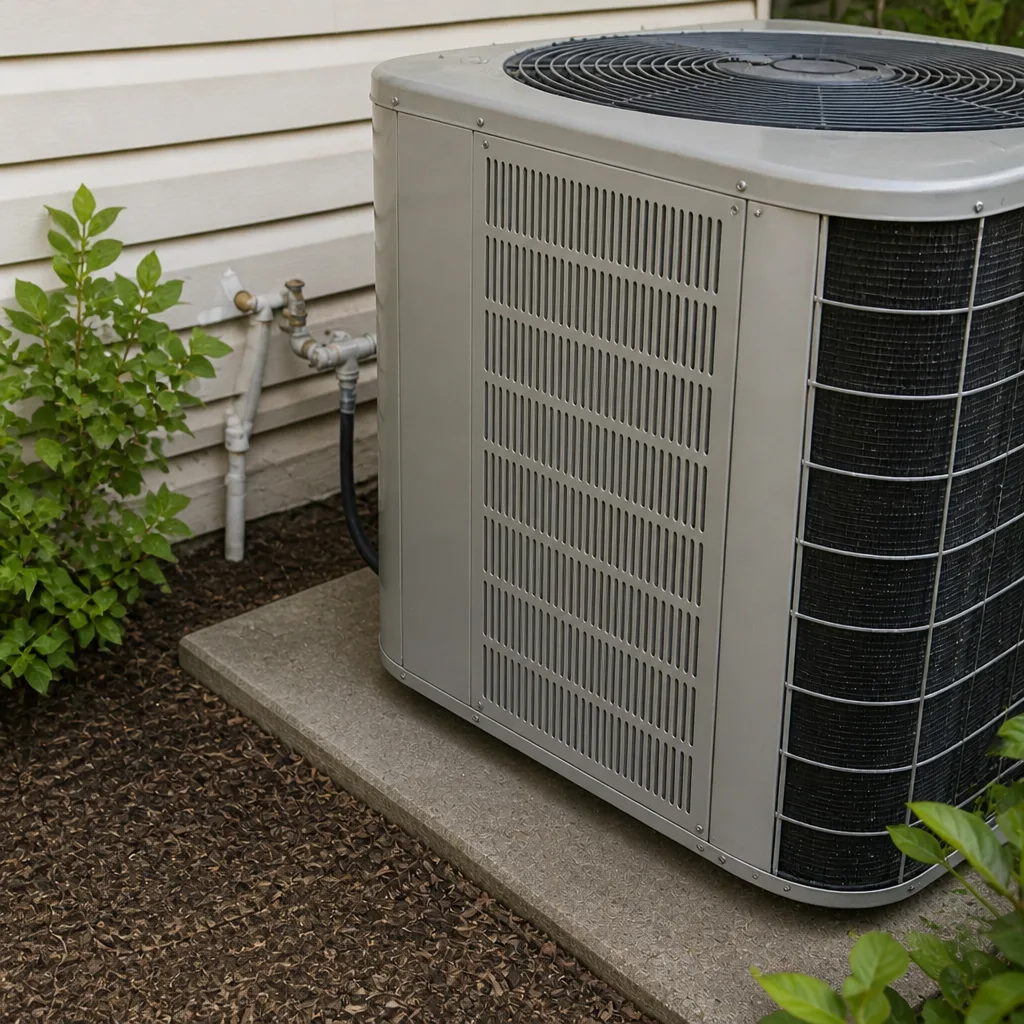
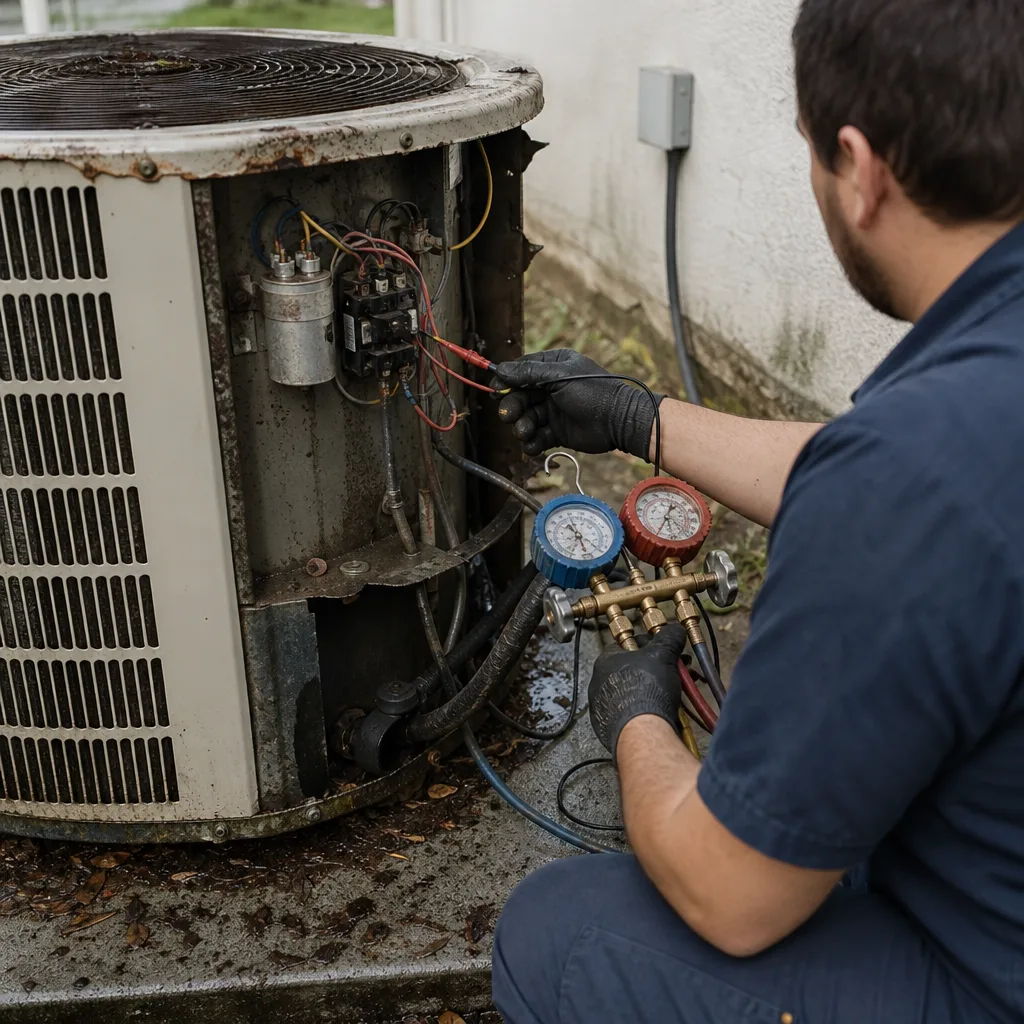
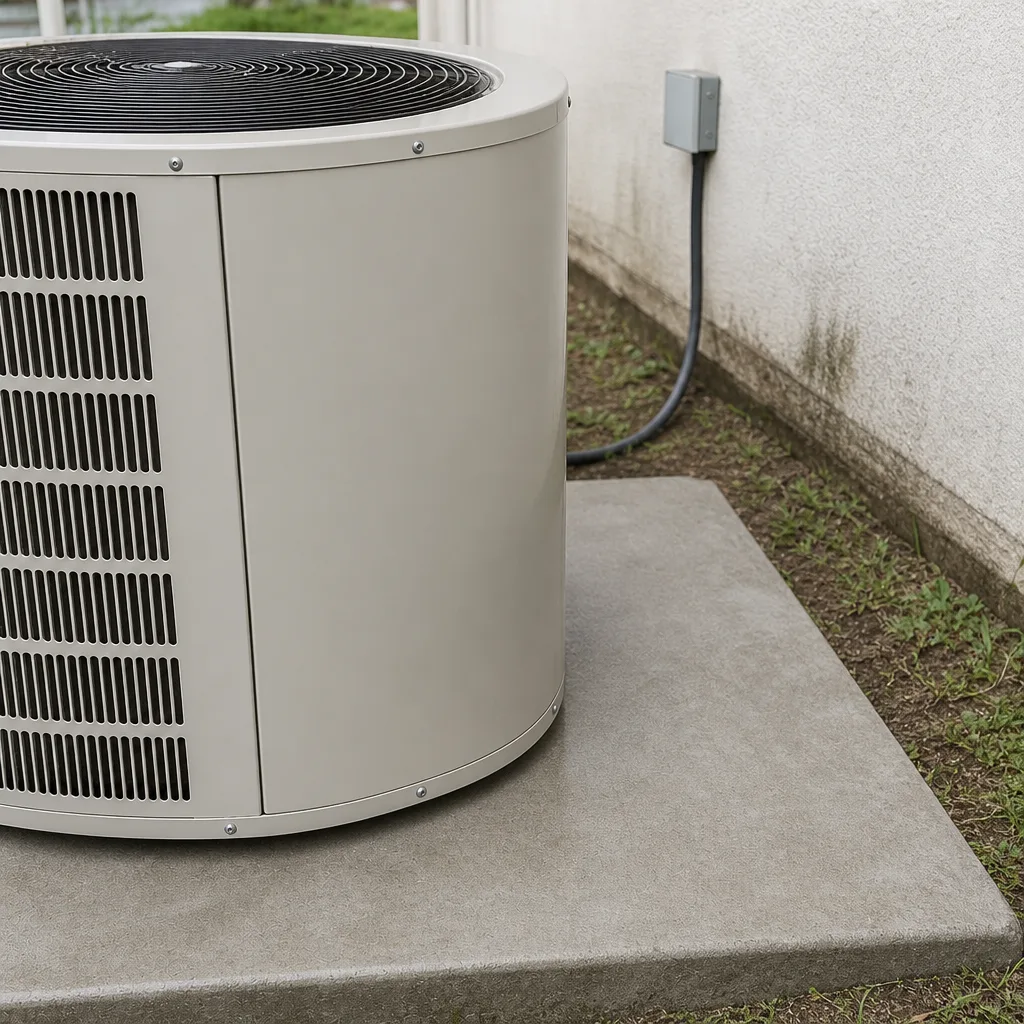
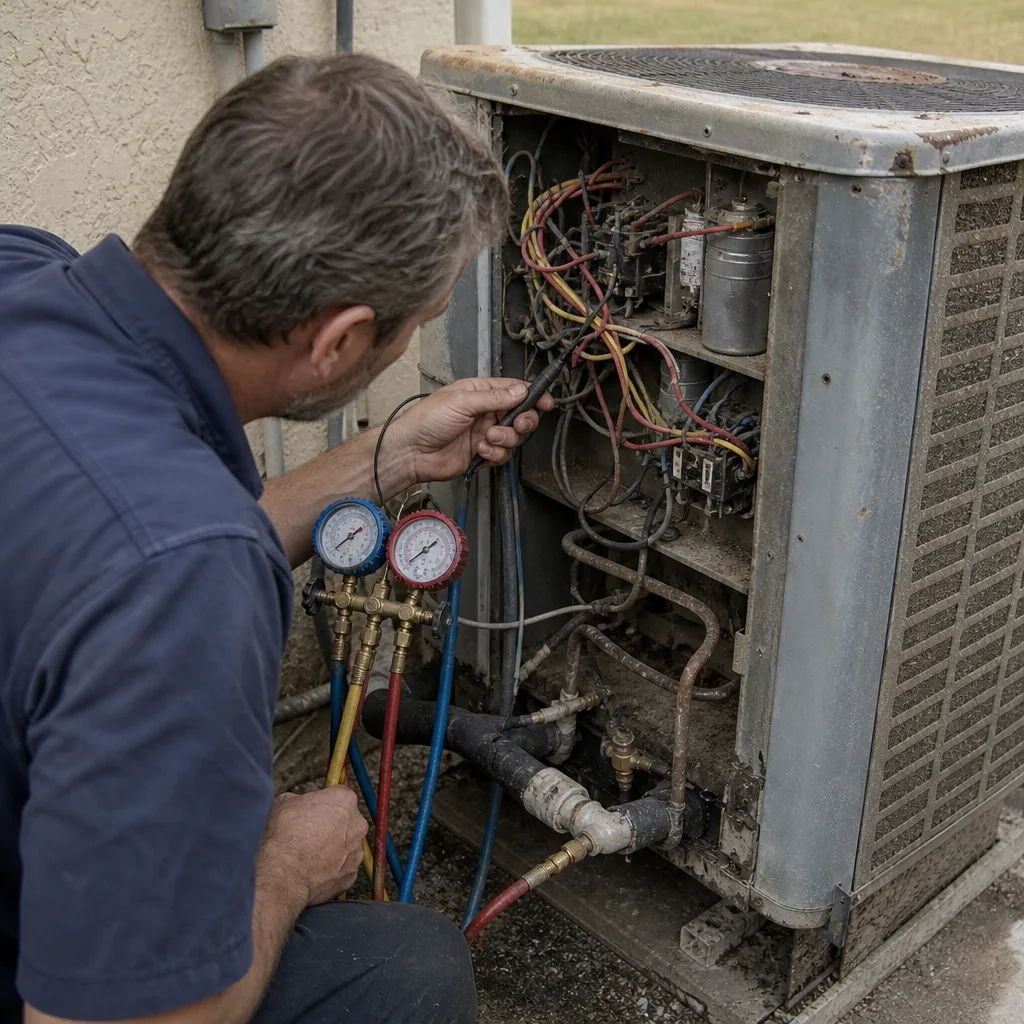
See the difference
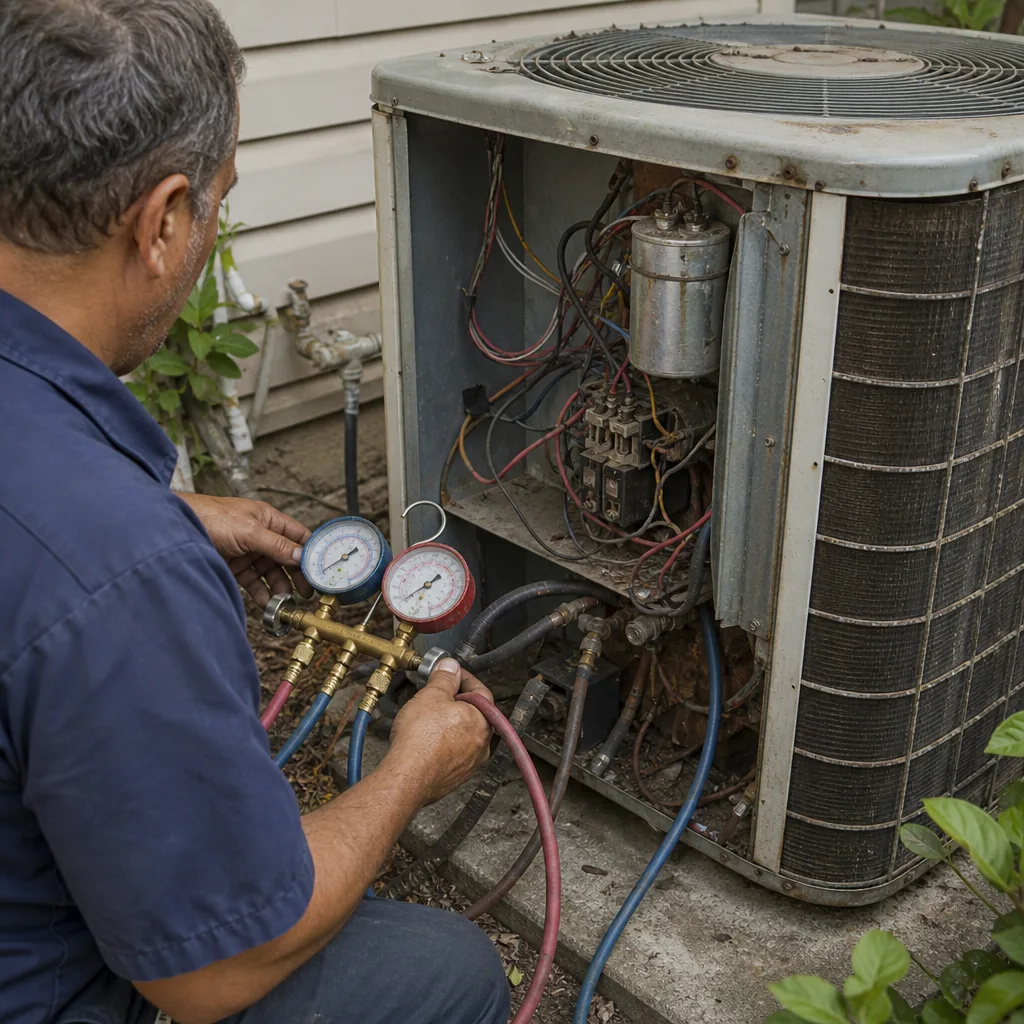 Before
 After
 Before
 After
 Before
 After
When to Call a Professional
Call for a technician when you see any of these: the system is blowing warm air while the thermostat is set to cool, the outdoor unit hums and trips, the breaker on the condenser trips repeatedly, water is pooling in the emergency pan or dripping from the ceiling near a drain line, the delta-T has dropped noticeably from your log, refrigerant has had to be topped off at any point, or the system is approaching seven or eight years of age and has never had a coil inspection. Any of these is the point where homeowner maintenance has done its job and the rest is diagnostic work. Dayspring AC Repair offers free estimates in Port St. Lucie. We answer nine major brands and we tell you straight whether a repair makes sense or a replacement does. Call (833) 659-7543. We answer 24/7. Fast dispatch from 7am to 7pm, Sunday through Friday. If you’re outside those hours, a call is booked into the next opening.
Frequently Asked Questions
Twice a year is the practical answer in this climate, once in the spring and once in the fall, rather than the annual service schedule most guides recommend. The system runs year-round here and the components accumulate more cycles than a yearly visit accounts for. If you can only manage one visit, make it the spring visit before the heaviest cooling season. Call (833) 659-7543 for a free estimate on maintenance and repair work.
Every two to three months, not once a year. The system pulls moisture out of humid air almost the entire year, and the drain line builds a biological film continuously. Annual flushing is a schedule written for a shorter cooling season. Call (833) 659-7543 if your drain is slow, staining, or tripping the float switch.
Formicary corrosion is a pitting corrosion on the copper coil tubes caused by organic acids that form when moisture and airborne chemicals meet copper over long periods, and it shows up as small pinholes that leak refrigerant. It matters in Port St. Lucie because the humid indoor air keeps the conditions for it present almost year-round. A coil inspection every six months catches it before the charge is gone. Call (833) 659-7543 for a coil inspection.
No. Capacitors and contactor terminals hold a dangerous charge even after power is off, and opening the condenser cabinet or testing these components by hand carries real risk of shock or fire. This is work for a trained technician. If you smell burning near the condenser or see scorched wiring, switch the system off at the breaker and call. Call (833) 659-7543 – estimates are free.
A healthy delta-T usually lands somewhere around 15 to 22 degrees Fahrenheit on a properly charged system, though the exact target depends on your equipment, humidity, and airflow. The trend matters more than any single reading. A drop of several degrees from your logged baseline is an early warning. Call (833) 659-7543 if your delta-T is drifting down.
Repair usually makes sense when the system is under roughly eight years old, the problem is a single component, and the refrigerant charge has held. Replace when the system is in its later years, the compressor is failing, the coil needs replacement, or the combined repair cost starts to approach the cost of a new unit. We work on both sides of that decision, so we can tell you which one actually makes sense without a quota pushing either way. Call (833) 659-7543 for a free estimate on AC repair or a replacement quote.
The Bottom Line
Standard AC maintenance checklists assume the system rests half the year. In Port St. Lucie, it doesn’t, and the failure order changes as a result. Flush the drain every two to three months, inspect the coil for formicary corrosion twice a year, check capacitors and contactors on a Florida-calibrated interval, keep an eye on the line set insulation under year-round sun, and log your delta-T so you spot a problem while it’s still a phone call instead of a system swap. For a broader look at what we cover across this Port St. Lucie community, we’re a phone call away. Call (833) 659-7543. We answer 24/7. Fast dispatch from 7am to 7pm, Sunday through Friday.
Written by the team at Dayspring AC Repair.