
Last updated November 15, 2026
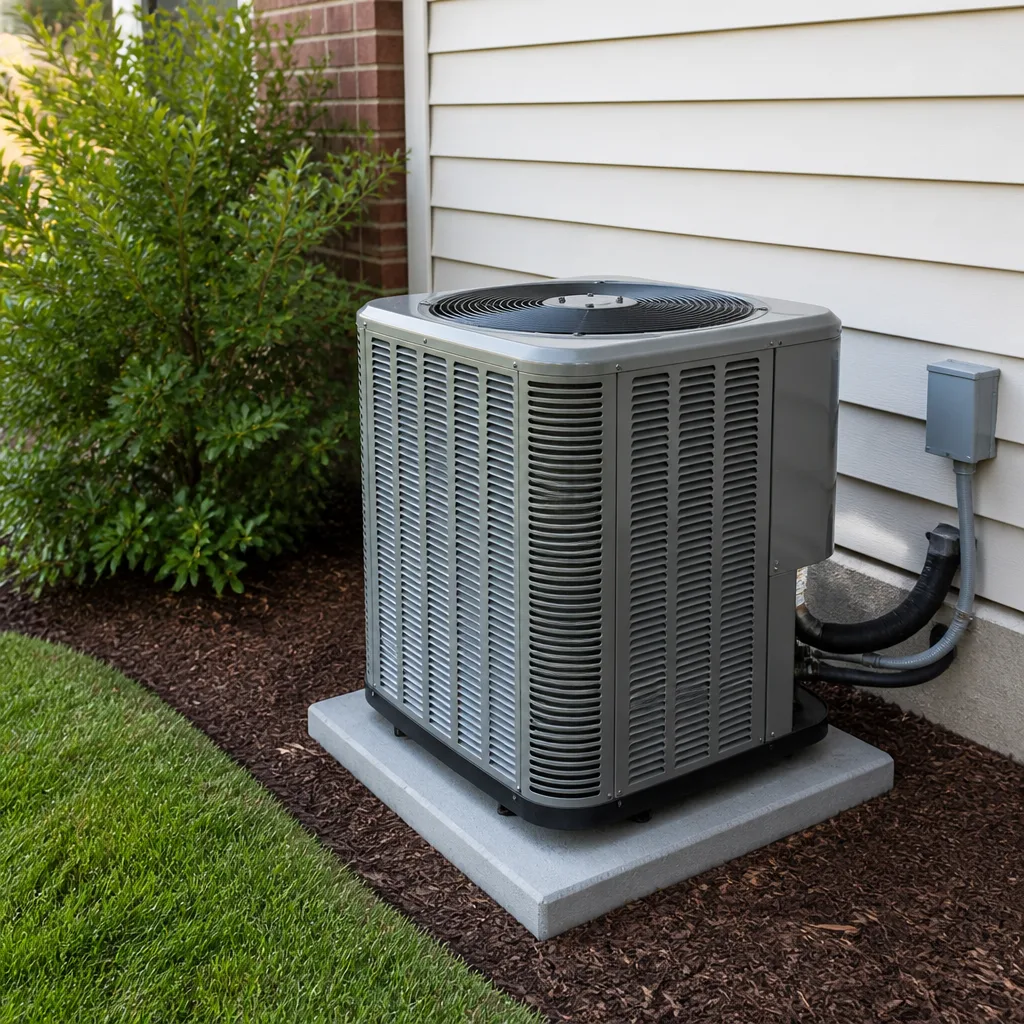 AC repair
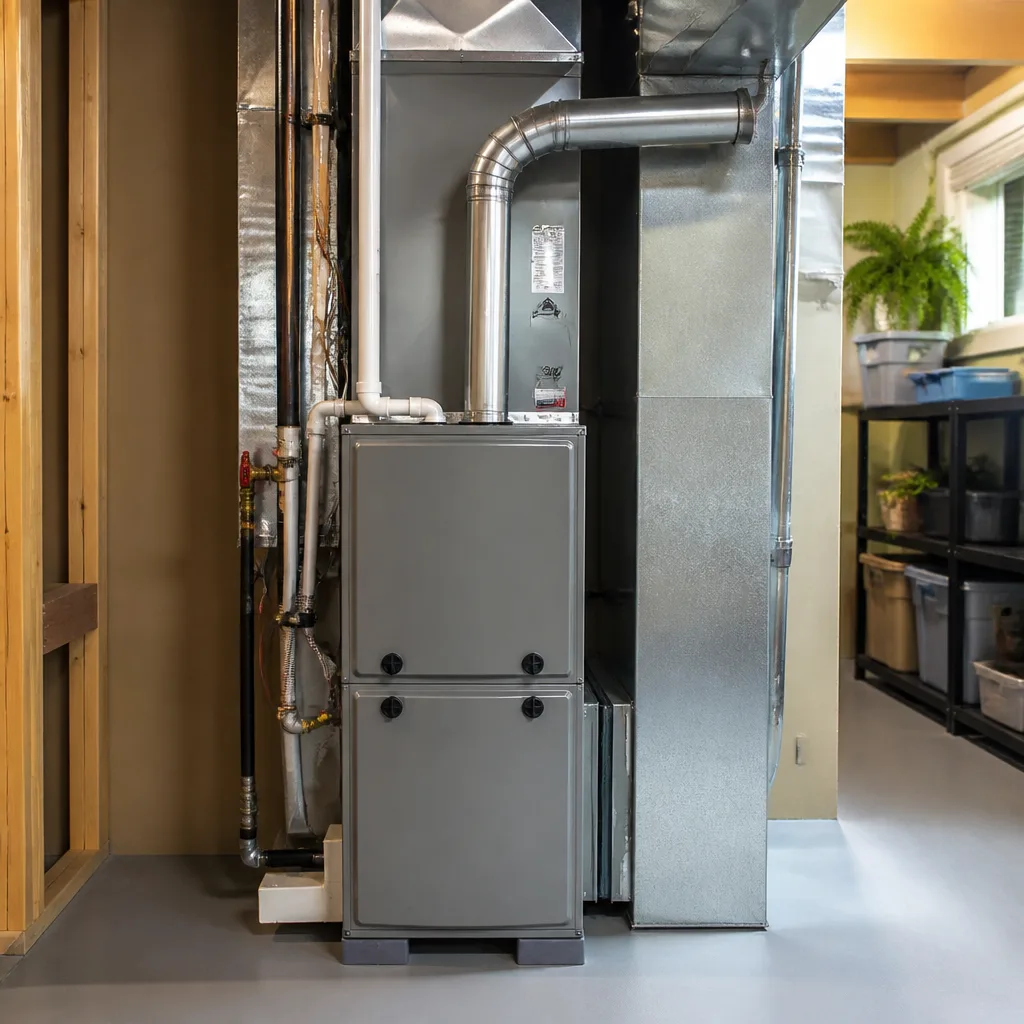 Furnace & heating
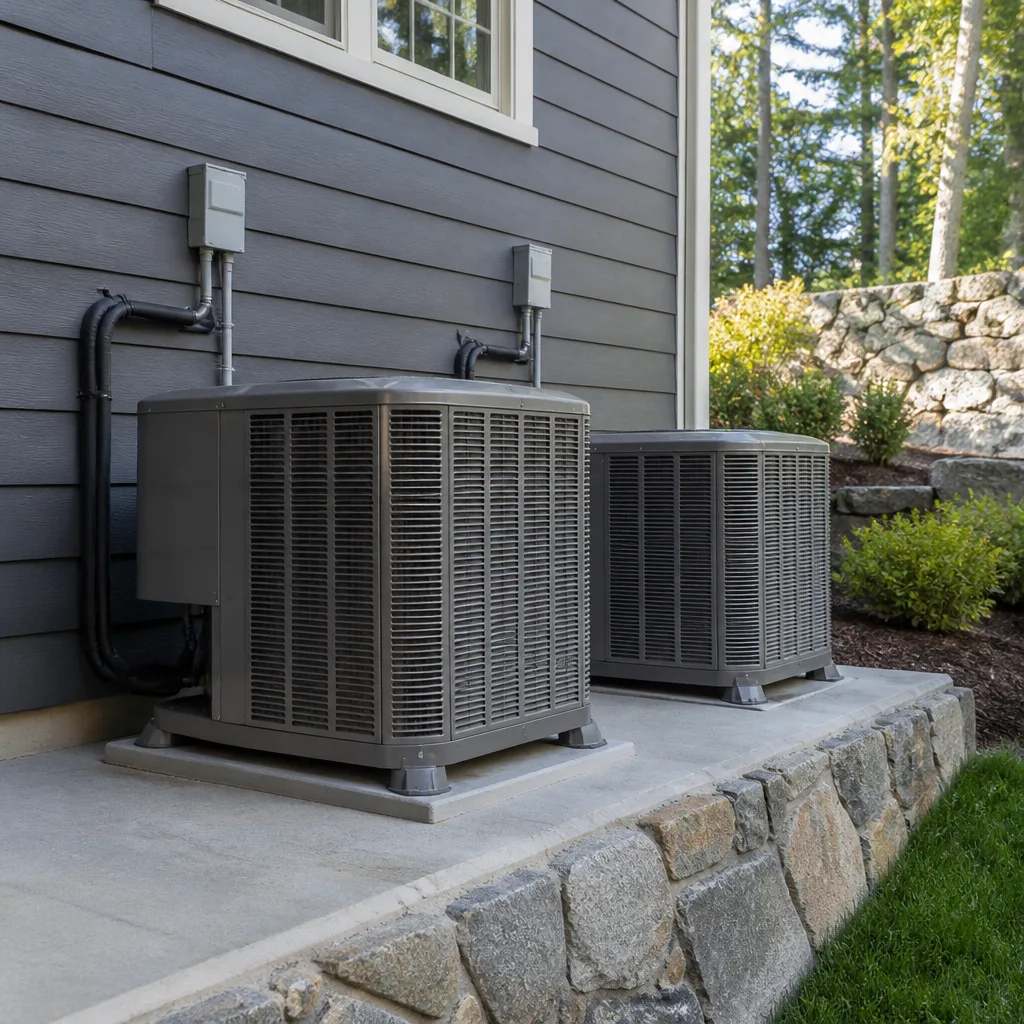 Heat pumps
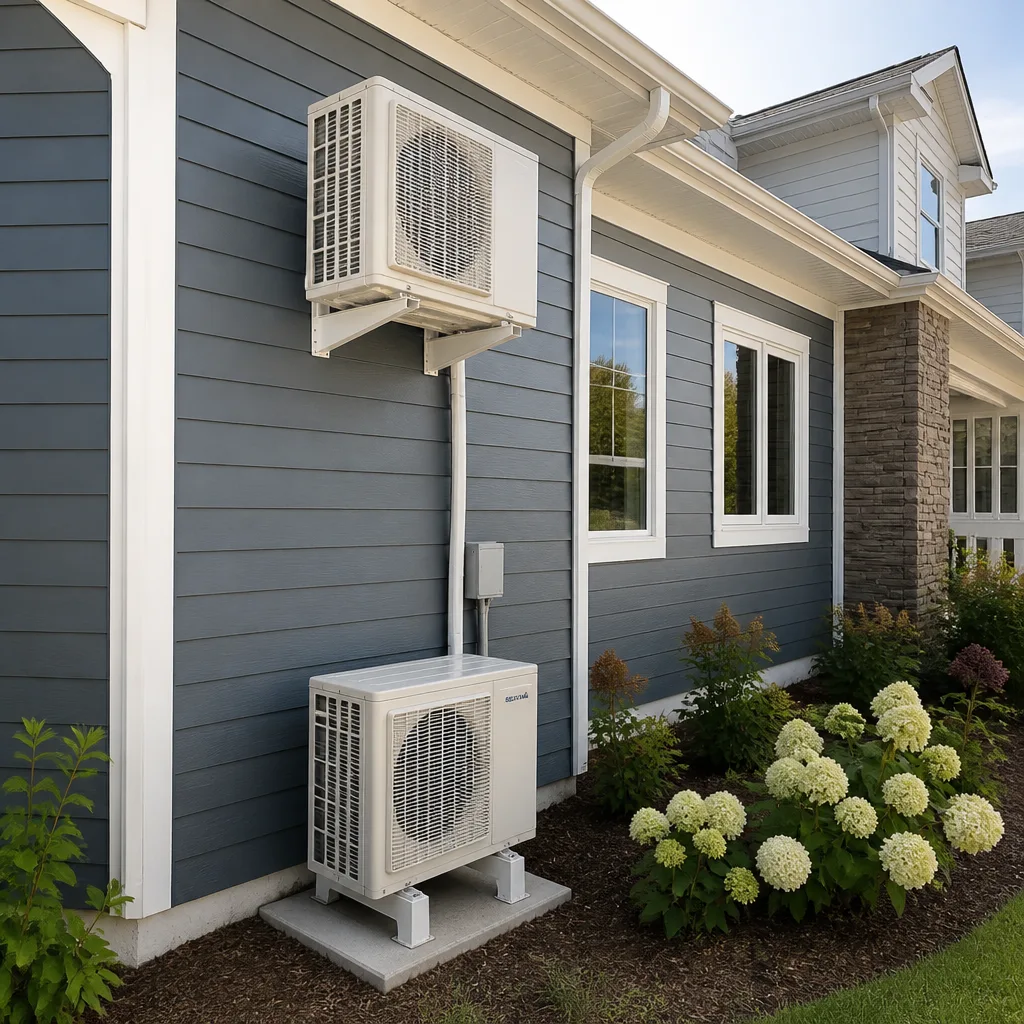 Ductless mini splits
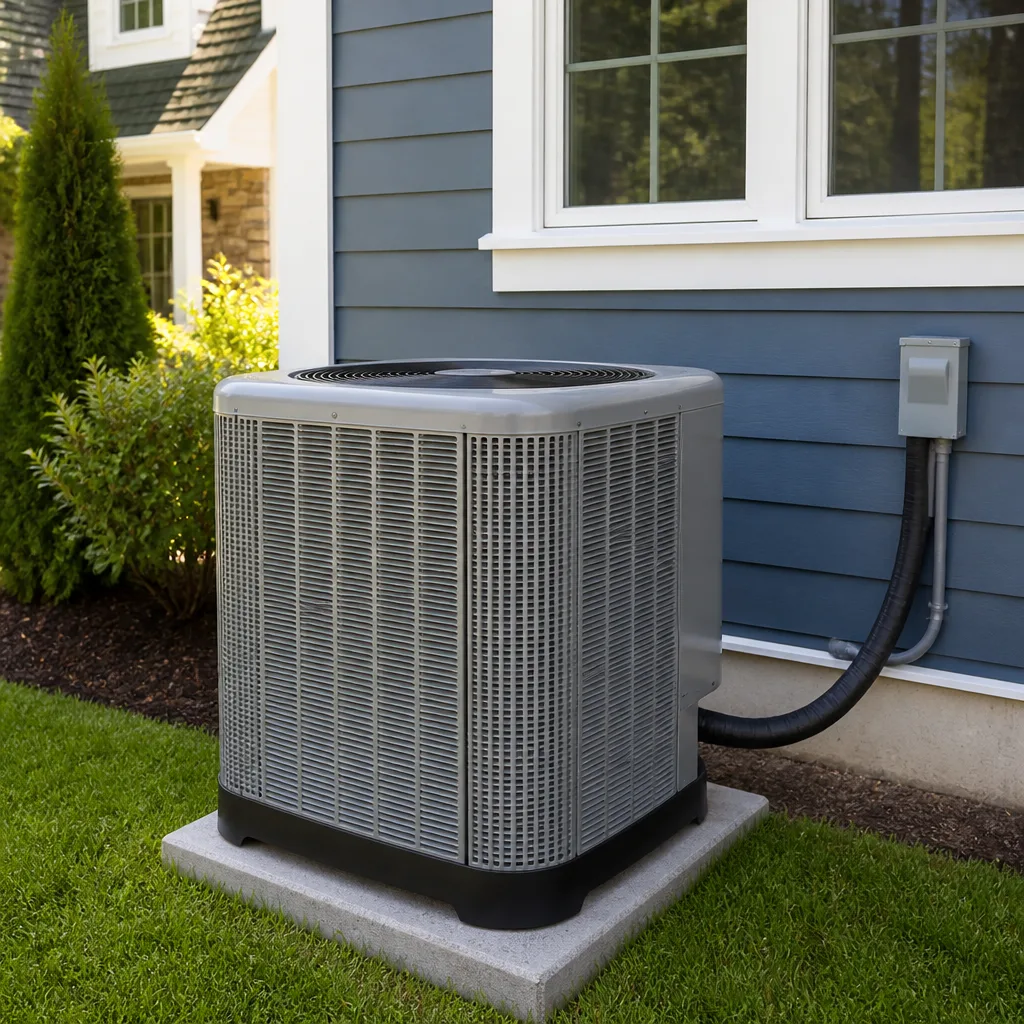 Carrier
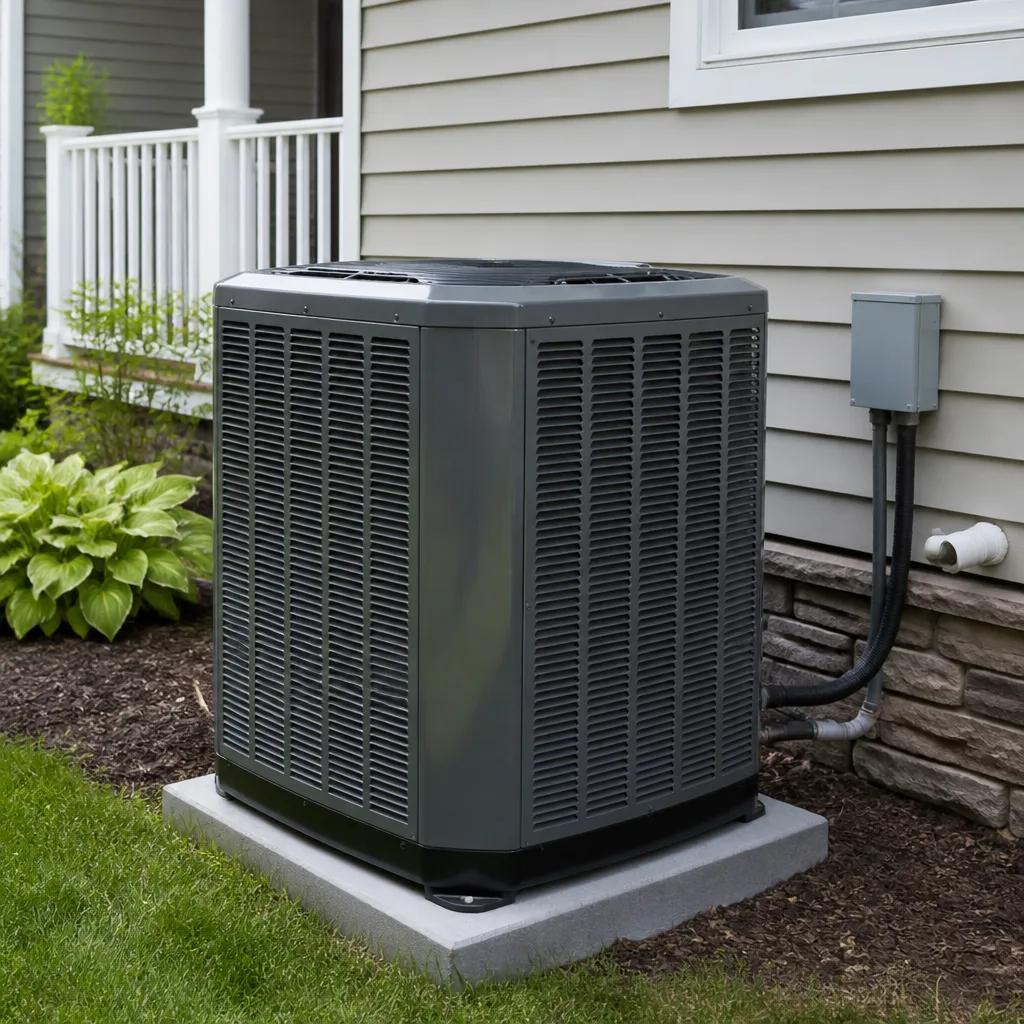 Trane
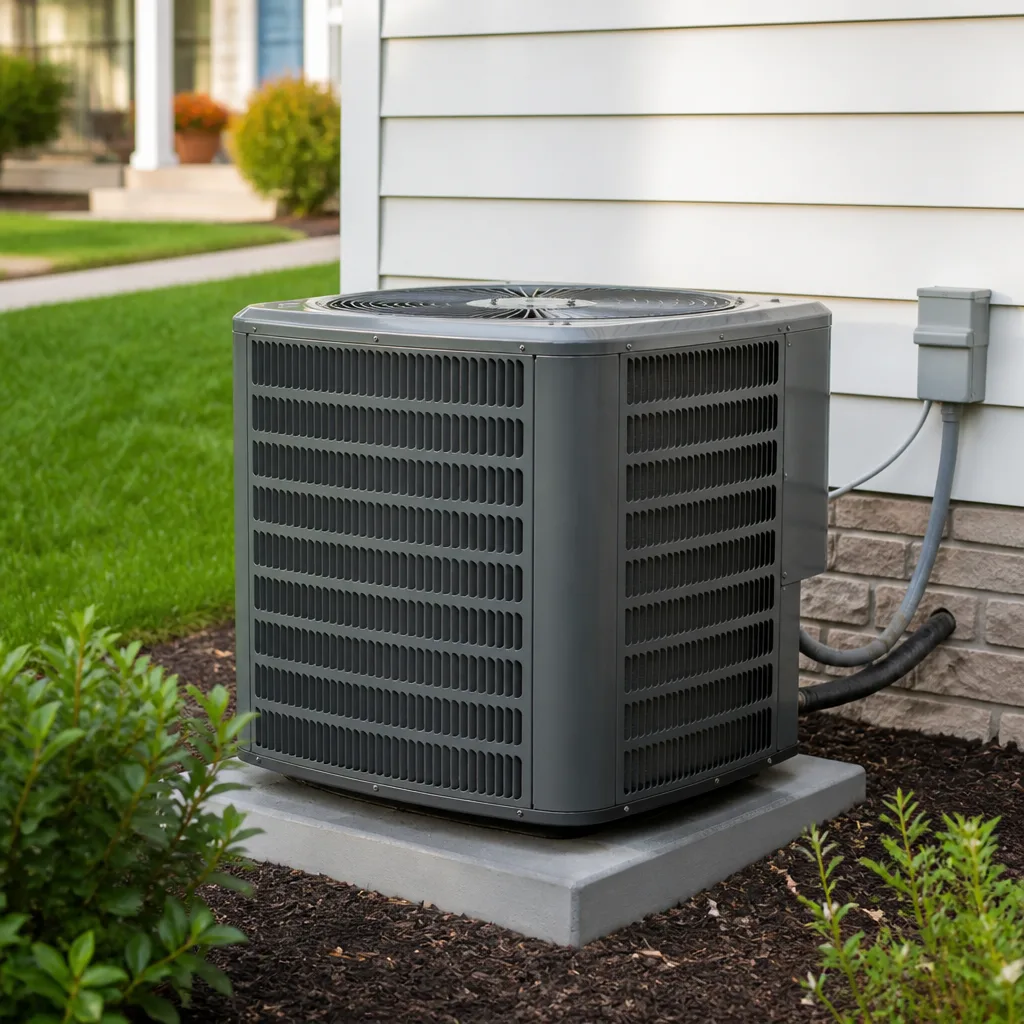 Goodman
Seasonal tune-up and full diagnostic on your Carrier, Trane, or Goodman system - readings shown to you before any repair is proposed
Diagnosis first, numbers second - you approve the repair price before a single part goes in.
Get your free estimateSeasonal HVAC Care for Port St. Lucie: Year-Round Homeowner’s Guide
The standard HVAC advice you’ll find almost everywhere tells you to service your system in spring and again in fall. That calendar was written for places with four roughly equal seasons. Port St. Lucie doesn’t have those. What we actually get is a long cooling season that runs most of the year, a short mild stretch where the system barely works, and a tense few weeks in late spring when everyone suddenly remembers hurricane season is coming. The single most useful maintenance window here falls in the six-week stretch from late February to early April, when systems are in light use, parts move without storm-season delays, and technicians aren’t yet booked solid. Most homeowners miss it. This guide maps seasonal AC maintenance Port St. Lucie FL homeowners actually need to that real climate calendar, phase by phase.
Quick Answer
In Port St. Lucie, HVAC care follows a climate calendar rather than four equal seasons: a February-April pre-season service window, a May hurricane-prep checklist, June-September peak-load management, an October-November coil-cleaning window, and a December-January heat-pump heating check. The most valuable single step is booking a full system service in that late-winter window, before the cooling season locks in technician schedules and storm-season parts delays begin.
Styles & brands we work with
- AC repair
- Furnace & heating
- Heat pumps
- Ductless mini splits
- Carrier
- Trane
- Goodman
Table of Contents
- Why Port St. Lucie Needs Its Own HVAC Calendar
- The February-April Pre-Season Window
- May: The Hurricane Prep Checklist
- June-September: Peak Load Management
- October-November: The Coil-Cleaning Window
- December-January: What Heating Mode Means Here
- What to Check Weekly vs. Monthly
- Common Mistakes to Avoid
- When to Call a Professional
Why Port St. Lucie Needs Its Own HVAC Calendar
Most of the country runs its air conditioner hard for three or four months and lets it rest the other eight. Port St. Lucie runs it hard for most of the year. That changes the math on maintenance. When a system sits idle for months, the wear concentrates into a short burst and a single spring tune-up can carry it. When a system runs near-continuously from roughly March into November, wear accumulates steadily and the small problems that a short season would tolerate add up before anyone notices them.
The other difference is timing. Every HVAC company in Port St. Lucie faces the same calendar crunch: a flood of calls in May and June as temperatures climb and systems that coasted all winter start to struggle. In that window, technicians are booked out, and parts for common equipment can take longer to source. Book the same service in February or March, and both pressures ease. The work gets more attention, and if a component shows wear, there’s time to order it before the system becomes critical.
This is why we treat Port St. Lucie maintenance as a year-round project split into five phases. Each phase has its own tasks, and together they cover the whole home’s climate system rather than just the cooling side. Heating and cooling handled by the same team is the point: a heat pump here cools for most of the year and heats for a few weeks, and both jobs need attention.
The five phases at a glance
- February-April: Full pre-season service and tune-up.
- May: Hurricane prep, surge protection, documentation.
- June-September: Peak-load monitoring and airflow management.
- October-November: Deep coil cleaning in the low-use window.
- December-January: Heat-pump heating-mode check and auxiliary-heat review.
The February-April Pre-Season Window
This is the six weeks that matter most, and it’s the one most Port St. Lucie homeowners skip. From late February to early April, the system is in light use. Days are warm enough to run it, but not so hot that it’s working all day. That light load makes it easy to test the cooling cycle properly, and it means the equipment is available for a thorough inspection rather than a rushed one.
Two practical advantages stack up here. First, technician availability is at its best. The May-June rush hasn’t started, so a full service can be scheduled without a long wait. Second, if the inspection turns up a part that needs replacing, you’re ordering in a normal market, not competing for components while the whole region is calling for help at once. That timing is why late winter is the smartest moment to move.
What a pre-season service covers
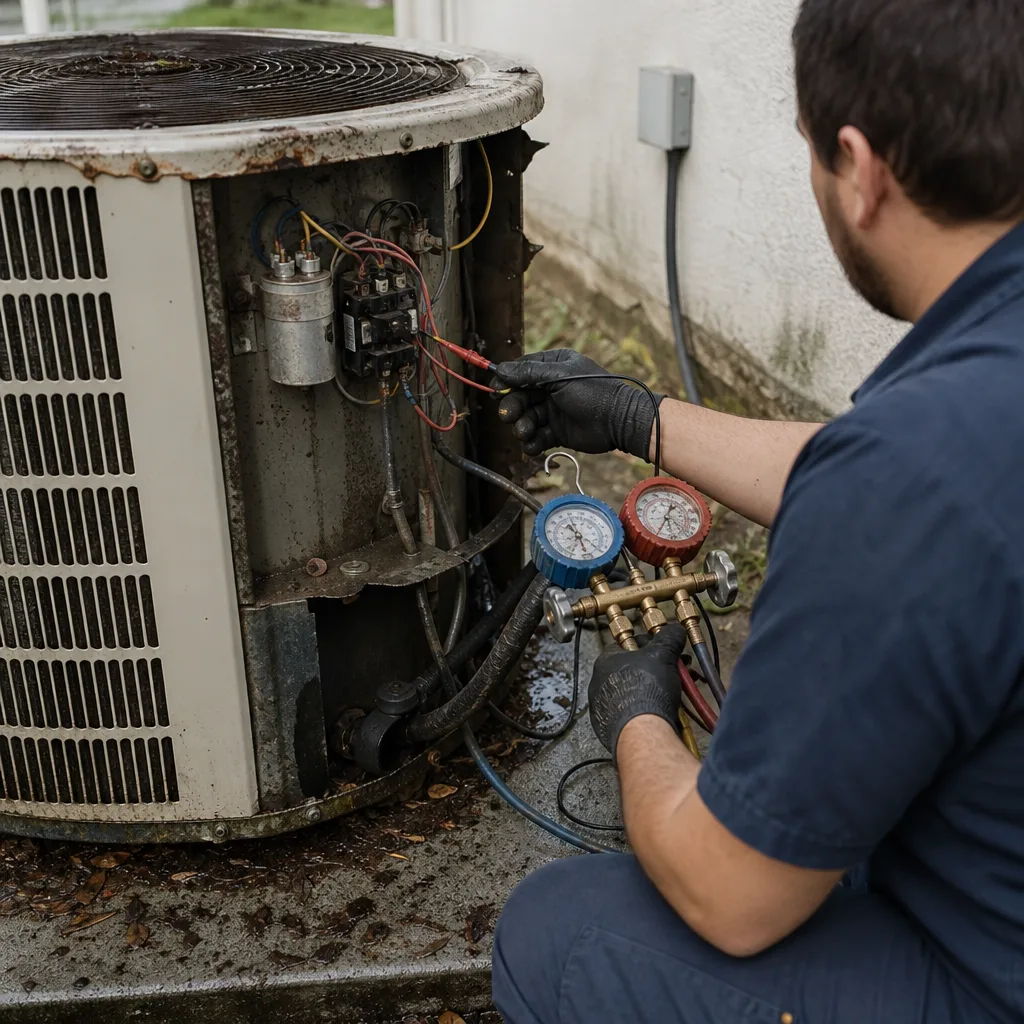
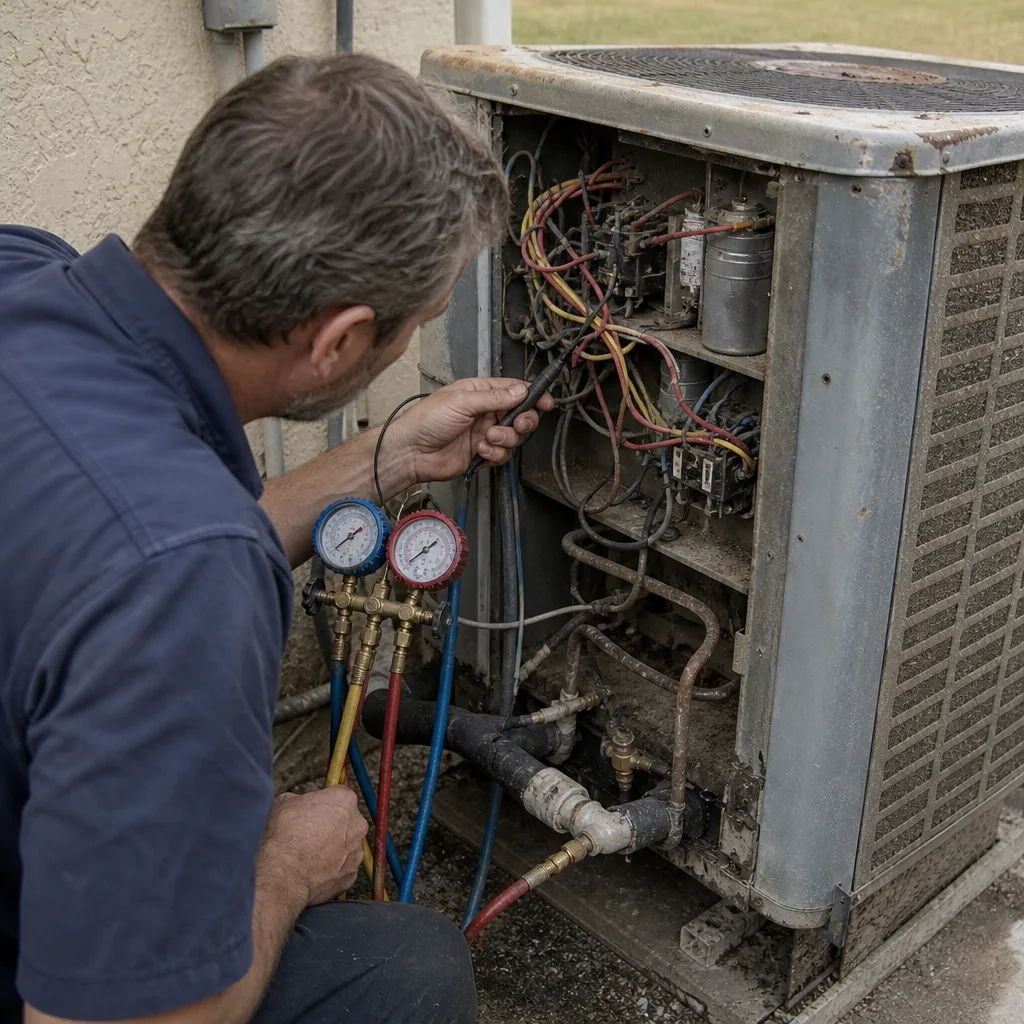
- Refrigerant charge check and line-set inspection.
- Condensate drain clearing and pan check, since a clogged drain line is one of the most common warm-weather failures.
- Blower motor and belt inspection where applicable.
- Coil condition assessment, with cleaning scheduled for the fall window if it’s needed.
- Electrical connection tightening and capacitor testing.
- Thermostat calibration and setpoint review.
- Air filter replacement and airflow check.
A pre-season visit is also the right time to ask a straight question: is this system good for another season, or are we looking at replacement? Because we cover both AC repair and AC installation, we can answer that honestly without a quota pushing either direction. If a Goodman or Rheem unit has years left and just needs a charge and a clean, that’s the answer. If it’s near the end, you’ll hear that in late winter, when you have time to plan rather than in July when you don’t.
Our technicians have up to 9 years of experience, and across that time they’ve learned that the pre-season visit catches more problems per dollar than any other phase. It’s the cheapest insurance against a mid-summer breakdown you didn’t see coming.
May: The Hurricane Prep Checklist
May is the inflection point in Port St. Lucie. The cooling season is fully on, and the region turns its attention to storm season. HVAC prep belongs on that list, and not for the reasons most people assume. The goal isn’t to protect the system from wind. It’s to make sure that after a disruption, you can document what you had so an insurance claim process moves cleanly, and so the system restarts without damage when power comes back.
Your May hurricane-prep steps
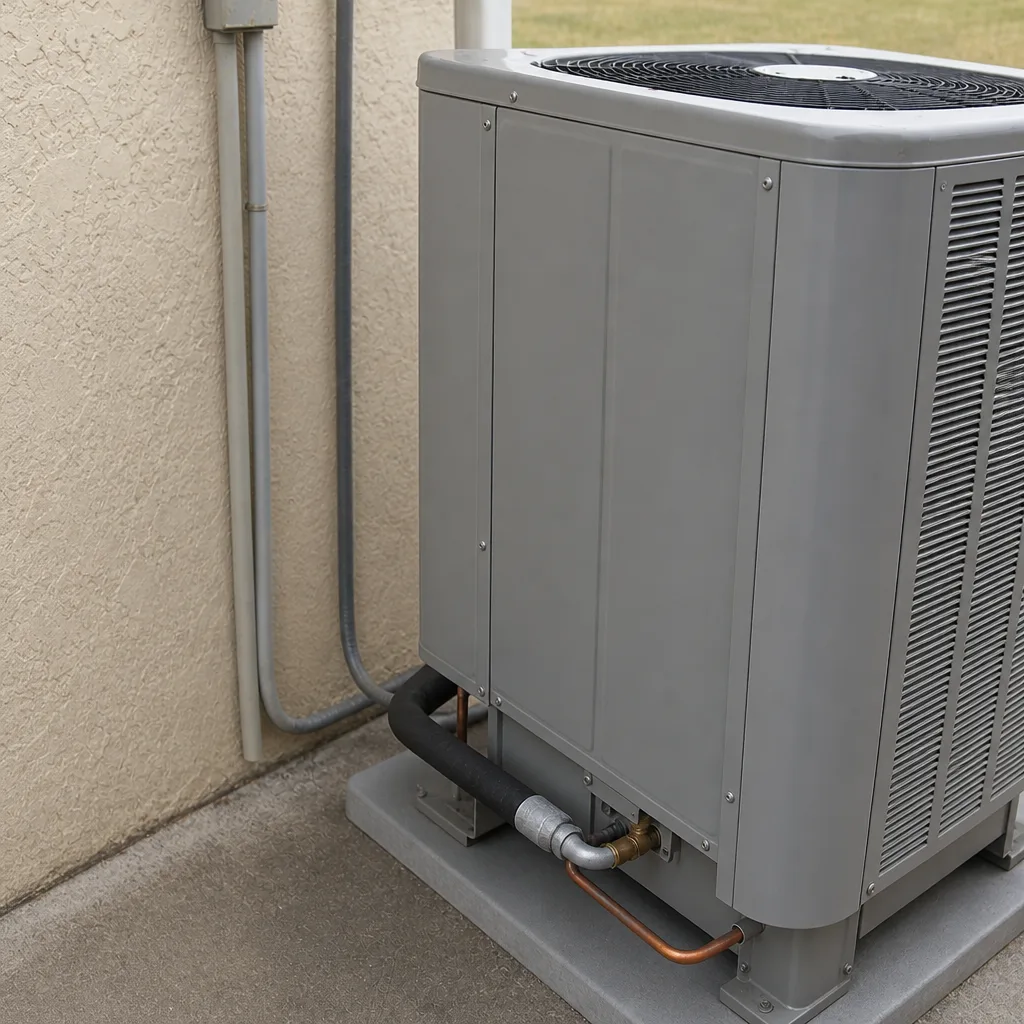
- Inspect and secure line-set insulation. The insulated refrigerant lines running to the outdoor unit take sun and weather all year; cracked or missing insulation makes the system work harder and lets the lines degrade. Replace any that’s failing before storm season.
- Review surge protection. Power restoration after an outage can send a surge through the system. Have a licensed electrician confirm your home’s surge protection, and know that HVAC electronics are among the most surge-sensitive parts in the house.
- Document the system’s current condition. Take clear photos of the outdoor unit, data plate, and indoor air handler, and note the model and serial numbers. Should a storm damage the equipment, this record makes the insurance conversation far simpler.
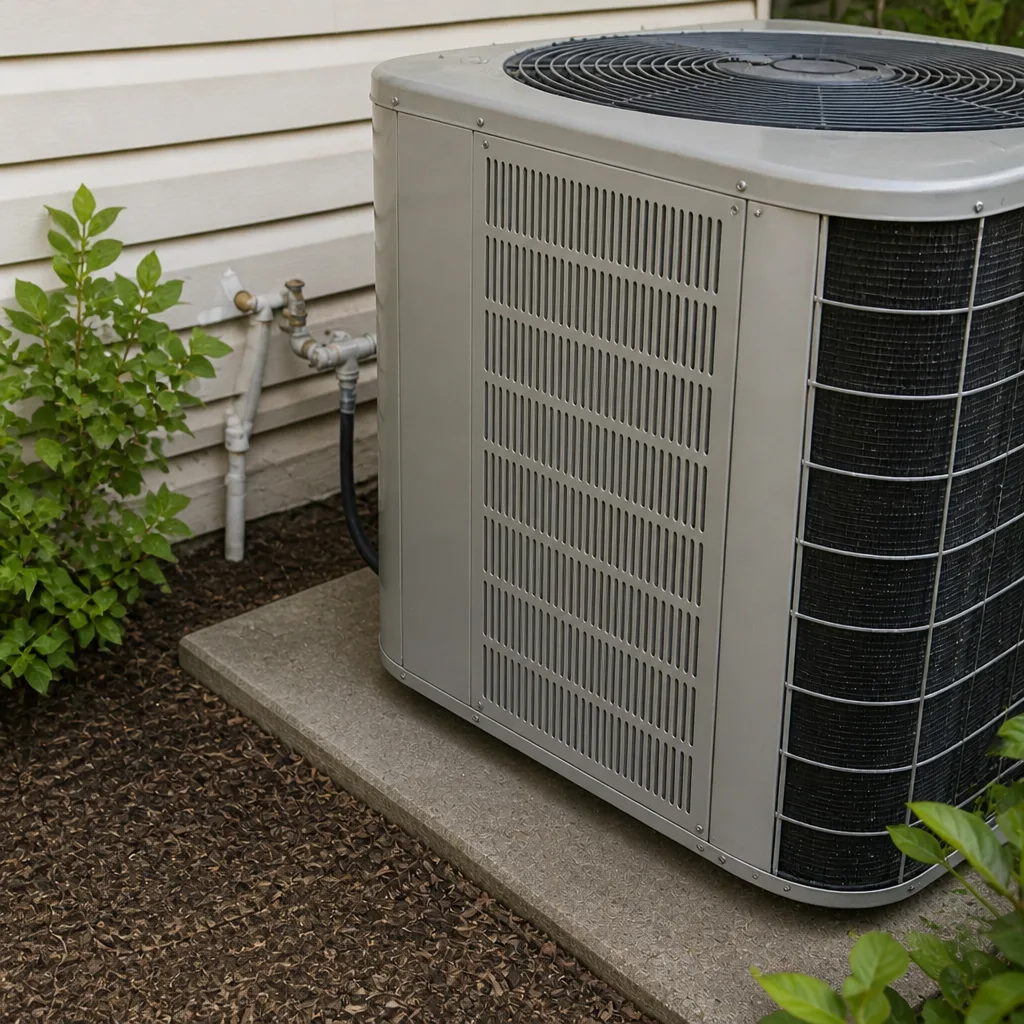
- Clear the outdoor unit’s surroundings. Trim vegetation back and remove debris that could become a projectile. A clear perimeter protects the coil and cabinet.
- Confirm the condensate drain is flowing freely. In a long outage followed by heavy rain and high humidity, a clogged drain becomes a water problem fast.
None of this is exotic. It’s the routine work that makes the difference when the routine gets interrupted. Schedule it in early May so it’s done before the storm-season distraction takes over.
June-September: Peak Load Management
Through the hottest months, the system in a Port St. Lucie home runs near-continuously. The maintenance question shifts from “what should we service” to “what should we watch.” Peak-load management is mostly about airflow, thermostat discipline, and noticing changes early. Heat is a genuine health risk during a long outage of cooling, so staying ahead of a failing system matters here in a way it doesn’t in milder climates.
Thermostat setpoints that actually work
Pick a single comfortable setpoint and leave it. Constantly adjusting the thermostat up and down, or setting it much lower to “cool faster,” doesn’t cool the house any quicker; it just runs the system longer and drives up wear. A steady setpoint lets the system cycle normally. If humidity is the real complaint rather than temperature, that’s an airflow or run-time question, not a setpoint question, and worth a service call.
Airflow balancing
- Check the air filter every month during peak season. A clogged filter is the single most common cause of reduced cooling and frozen coils.
- Confirm supply vents are open and unobstructed in every room you use.
- Watch for rooms that never seem to cool. Uneven cooling usually points to a duct or balancing issue rather than a failing unit.
- Keep the outdoor unit clear and free of debris; restricted airflow outdoors makes the compressor work harder in exactly the months it can least afford it.
What we watch during peak season
We see the same failure patterns across brands in these months: weak capacitors, failing contactors, and condensate problems. Because we work on so many manufacturers, including York and Daikin equipment alongside Carrier, Trane, Lennox, Bryant, and American Standard, we recognize the patterns across product lines rather than only the one brand a narrower shop specializes in. That breadth is why homeowners aren’t told their system is out of scope. If something’s failing, call (833) 659-7543. We answer 24/7, with fast dispatch from 7am to 7pm.
October-November: The Coil-Cleaning Window
Come October and November, the system backs off. Days shorten, the load eases, and for a few weeks Port St. Lucie gets something rare in the HVAC calendar: a stretch when the system isn’t running constantly. That quiet window is the right time to deep-clean the evaporator coil, and it’s an opportunity most homeowners let pass.
Why does timing matter for coil cleaning? Because a proper evaporator coil cleaning is a real job. The coil sits in the air handler, and cleaning it well means getting to it, and depending on the equipment, sometimes working around it. Doing that work when the system is off and the house isn’t depending on it for comfort makes the job safer and cleaner. Do it in July and you’re fighting the clock to get cooling restored. Do it in October and there’s no pressure.
Signs the coil needs attention
- Cooling feels weaker than it did earlier in the season.
- The system runs longer to reach the same temperature.
- Musty or damp odors when the air comes on.
- Higher humidity inside than the outdoor conditions would suggest.
- Visible buildup on the coil during a service visit.
The fall window also suits drain-line work and duct inspection, for the same reason: the system is quiet enough to work on without disrupting the home. If the pre-season service flagged a coil that was borderline, schedule the cleaning now rather than waiting to see if it becomes a problem next June.
December-January: What Heating Mode Means Here
Port St. Lucie’s winter is brief and mild. Nights can drop into the 55-65°F range, cool enough that a heat pump will switch into heating mode, but not cold enough that homes have to think about it much. That’s exactly why heating problems here go unnoticed until they’re uncomfortable: the system only needs to heat for a few weeks, so a fault can hide for the rest of the year.
How a heat pump heats
A heat pump doesn’t generate heat the way a furnace does. It moves heat from the outdoor air into the house, even when the outdoor air feels cool. That process is efficient, but on those 55-65°F nights, it can run close to its capacity, and that’s when two things matter: auxiliary heat settings and defrost behavior.
Auxiliary heat and why the setting matters
Most heat pumps have a backup or auxiliary heat stage that kicks in when the heat pump alone can’t keep up. If that setting is misconfigured, the auxiliary stage can run when it doesn’t need to, which wastes energy and can mask a real inefficiency in the heat pump. A heating-mode check confirms the heat pump is carrying the load it should and the auxiliary stage engages only when needed.
What to check in early winter
- Run the heat for a full cycle on a cool evening and confirm warm air is delivered to every room.
- Note any cold spots or rooms that heat unevenly.
- Listen for unusual cycling or short run-times.
- Confirm the thermostat is set to heating and held at a steady temperature rather than bumped up and down.
This is also the season to address heating problems before they matter. If you noticed a fault in earlier phases that only shows up on cold nights, the cooler months are the time to sort it. We handle furnace and heat-pump heating alongside everything else, which means the same call covers both sides of the home’s climate system. If heating behaves oddly, call (833) 659-7543. We answer 24/7. A call outside dispatch hours is booked into the next opening, Sunday through Friday, 7am to 7pm.
What to Check Weekly vs. Monthly
Keeping a Port St. Lucie system healthy between professional visits is mostly about a short, regular routine. The tasks split neatly into what you check weekly during cooling season and what you handle monthly. None of it takes long, and together it catches the small issues before they turn into service calls.
Weekly during the cooling season
- Glance at the outdoor unit: clear of debris, vegetation trimmed back, no ice or buildup on the cabinet.
- Listen to the system as it starts and stops; note any new rattle, click, or repeated short cycling.
- Feel the airflow at a few supply vents and confirm it’s steady and cool.
- Check for water near the indoor air handler or condensate pan; moisture there signals a drain problem.
Monthly year-round
- Check or replace the air filter. During peak season, monthly checks matter most.
- Review the thermostat reading against room temperature to catch calibration issues early.
- Confirm supply and return vents aren’t blocked by furniture or curtains.
- Note any change in how the house feels; small shifts are early warnings.
Write the notable changes down. It’s a simple habit, but when you call for service, “the airflow felt weaker in the back bedrooms starting two weeks ago” gives a technician far more to work with than “it’s not working right.” If you keep no other record, keep that one.
Common Mistakes to Avoid
- Waiting for the first hot week to book service. By the time temperatures climb and the calls flood in, technicians are booked and parts can take longer. Book in February or March instead.
- Skipping the fall coil cleaning. It’s easy to forget once the heavy cooling season ends, but cleaning the evaporator coil while the system is quiet is far safer than doing it mid-summer when the home depends on the cooling.
- Bumping the thermostat way down to “cool faster.” It doesn’t cool the house any quicker; it just runs the system longer and wears it harder. Set one steady temperature.
- Running a marginal filter for months. In Port St. Lucie’s long cooling season, a clogged filter quietly strains the system. Check it monthly during peak load.
- Ignoring the outdoor unit until it quits. Vegetation, debris, and damaged line-set insulation cause problems slowly. A clear perimeter protects the coil and cabinet.
- Letting the system restart unaided after a storm outage without checking surge protection. Power restoration can damage HVAC electronics. Confirm surge protection with a licensed electrician before storm season.
- Assuming a heat pump that seems fine all year is heating fine. Heating mode only runs a few weeks here, so a fault can hide. Run a full heating cycle on a cool evening in early winter to confirm it works.
See the difference
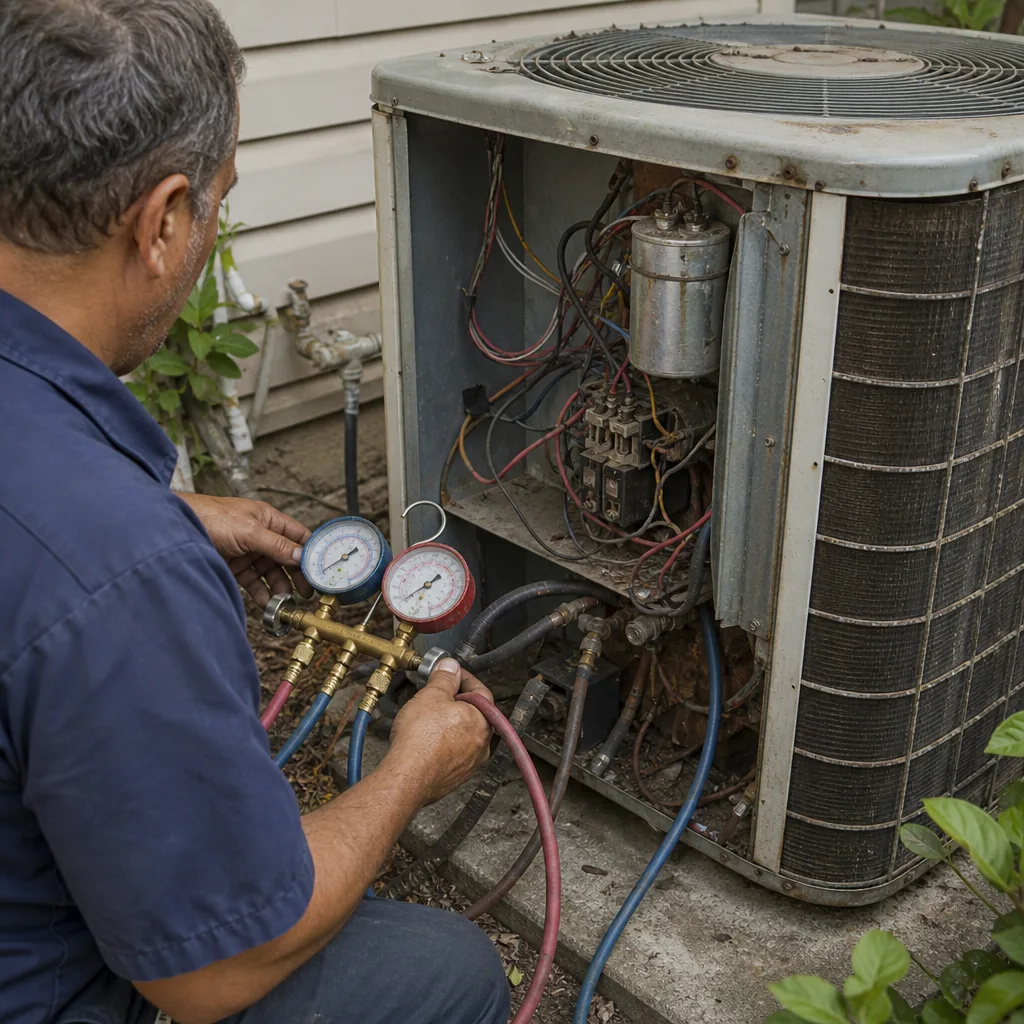 Before
 After
 Before
 After
 Before
 After
When to Call a Professional
Some of what this guide covers is routine and safe to handle yourself. Some calls for a trained professional, and the safety line is clear: refrigerant handling, electrical components inside the air handler, and the compressor are not homeowner jobs. If you smell burning, see repeated breaker trips, hear the compressor short-cycling, or spot ice on the indoor coil, treat it as a service call, not a project. In Port St. Lucie, we also recommend a professional visit if the system is struggling to keep up, if rooms cool unevenly, or if you’re simply unsure whether the equipment is worth repairing. Because we service nine major brands and both heating and cooling, one call gets you a straight answer rather than a guess. Dayspring AC Repair offers free estimates in Port St. Lucie, so call (833) 659-7543 and we’ll tell you what’s actually going on. We answer 24/7, with fast dispatch from 7am to 7pm.
Frequently Asked Questions
The best window is late February through early April, before the cooling season locks in technician schedules. Service then gives the system a full inspection in light use, with better technician availability and parts that move without storm-season delays. Call (833) 659-7543 for a free estimate on a pre-season visit.
Check the filter monthly during peak cooling and replace it as needed; in the hottest months, that often means monthly. A clogged filter restricts airflow and is one of the most common causes of reduced cooling and frozen coils. Call (833) 659-7543 if airflow feels weak even after a fresh filter.
Hurricane prep for HVAC is mostly about protecting the system when power returns and making insurance documentation easier. Inspect line-set insulation, review surge protection with a licensed electrician, document the unit’s condition, and clear the outdoor unit’s surroundings before storm season. Call (833) 659-7543 for a free estimate on a prep visit.
Because that’s when the system is in light use, making a deep coil cleaning safer and cleaner than doing it mid-summer. Port St. Lucie’s brief low-demand window lets the work happen without the home depending on the system for comfort. Call (833) 659-7543 to schedule a fall cleaning while the schedule is open.
Check whether the auxiliary heat setting is misconfigured and whether the heat pump is carrying the heating load it should. In Port St. Lucie, heating only runs a few weeks, so a fault can hide the rest of the year. Call (833) 659-7543 for a heating-mode check before cold nights make it uncomfortable.
The honest answer depends on the equipment’s condition, age, and how it’s failing, and it’s worth a straight look rather than a guess. Because we cover both repair and installation, we can tell you which choice actually makes financial sense for your situation. Call (833) 659-7543 for a free estimate. We answer 24/7, with fast dispatch from 7am to 7pm.
The Bottom Line
HVAC care in Port St. Lucie works best when it follows the actual climate calendar rather than four equal seasons. Book the full pre-season service in February-April, prep for storms in May, manage peak load through the summer, deep-clean the coil in the quiet October-November window, and confirm heating mode in December-January. Together, those phases keep the whole home’s climate system in shape year-round, catch small problems before they become urgent, and make the repair-or-replace decision a planned one instead of a scramble. If anything in this guide points to a real problem, call (833) 659-7543 for a free estimate. We answer 24/7, with fast dispatch from 7am to 7pm, Sunday through Friday. For a comfortable home in Port St. Lucie, one trusted call covers both sides of the system, and the work on your air conditioner starts with Dayspring AC Repair.
Written by the team at Dayspring AC Repair.